
Plants
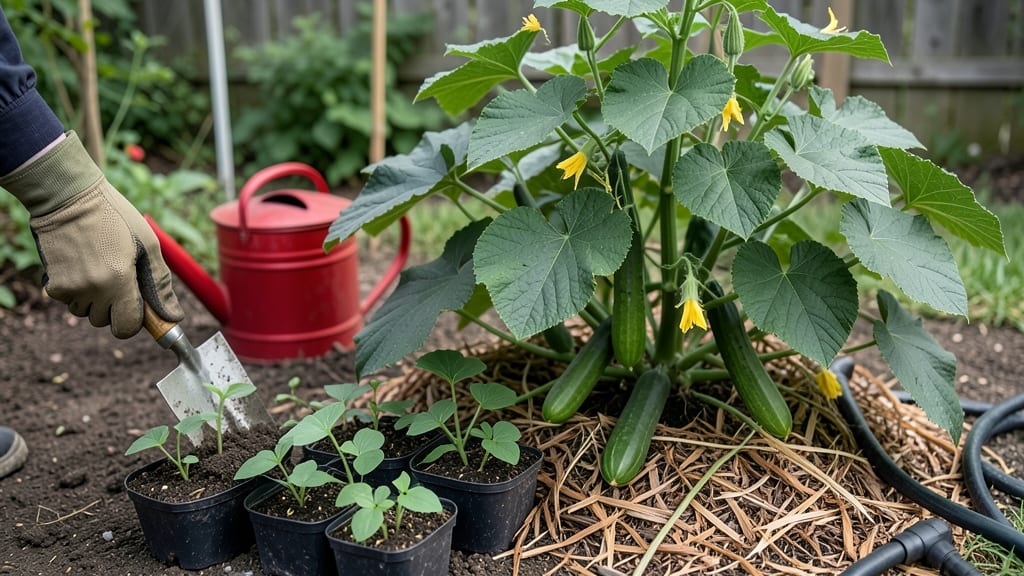
Planting cucumbers in Central Florida at the wrong time can mean the difference between a bountiful harvest of crisp 🥒 and struggling vines that wilt in the heat.
The key isn't just picking a month—it's understanding how your region's unpredictable weather affects growth, from early spring's lingering cool snaps to summer's relentless sun.
Most gardeners in Zone 9b assume cucumbers thrive only in summer, but the truth is, you can start as early as February with the right heat-tolerant varieties.
I've learned the hard way that planting too soon risks frost damage, while waiting until June might leave you battling pests and extreme heat.
In this guide, I'll break down the exact planting windows that work in Central Florida, including how to stagger plantings for continuous harvests from April through October. You'll discover which varieties handle Florida's humidity best and how to prep your soil for maximum success.
Whether you're a first-time gardener or a seasoned pro, these strategies will help you avoid common mistakes and enjoy homegrown cucumbers all season long—no more store-bought blandness!
Best planting months for cucumbers in Central Florida’s climate zones
Central Florida’s USDA Zone 8b-9a climate means cucumbers can grow year-round, but timing is key to avoid heat stress or pests. The ideal window spans from late February to August, with staggered plantings to extend your harvest through fall.
Unlike northern climates, you won’t face frost, but soil temperature and humidity still dictate success.
For early spring plantings, aim for mid-February to early March when soil reaches 60°F+. This gives vines time to establish before summer’s brutal heat. Summer plantings (June-July) require heat-tolerant varieties and shade cloth to prevent sunscald.
Fall plantings in August-September capitalize on cooling trends but must finish before hurricane season disrupts growth.
Direct sowing is preferred in Central Florida, but transplants can work if started indoors 3-4 weeks before outdoor planting. Avoid January plantings—cooler temps slow germination, and September plantings risk fungal diseases from increased rainfall. The key? Staggered succession every 2-3 weeks for continuous harvests.
🌱 Central Florida Cucumber Planting Timeline
| Season | Planting Window | Soil Temp Requirement | Key Considerations |
|---|---|---|---|
| Early Spring | Mid-February - Early March | 60°F+ | Avoid frost pockets; use black plastic mulch |
| Summer | June - Early July | 70°F+ | Choose heat-tolerant varieties; provide afternoon shade |
| Fall | Late August - Early September | 65°F+ | Prioritize disease-resistant seeds; harvest before rains |
| Winter (Limited) | Not Recommended | N/A | Poor germination; fungal risks increase |
💡 Pro Tip: Use a soil thermometer to confirm temperatures before planting—cucumbers won’t germinate below 55°F.
Central Florida’s microclimates play a huge role. Coastal areas like Daytona Beach stay warmer longer, while inland Lakeland may need earlier plantings to escape summer’s peak. If you’re in a shadier yard, opt for bush varieties that tolerate 50% less sun than vining types.
Always test your soil’s pH (6.0-6.8)—Central Florida’s sandy soils often need compost or aged manure to retain moisture.
For container gardening, start 2 weeks earlier than in-ground plantings since pots warm faster. Use 5-gallon containers with trellis support to save space. Black plastic mulch isn’t just for warming soil—it also suppresses weeds and reduces water evaporation by 30%.
Apply it 2 weeks before planting to let it heat up the soil.
Watch for cucumber beetles in summer plantings—they thrive in 90°F+ heat. Use row covers for the first 2 weeks or plant nasturtiums as a trap crop. Succession planting every 10-14 days ensures you’re never without fresh cucumbers.
In Zone 9a, you can even try a mini-winter crop in December under row covers, though yields will be modest.
Remember: Central Florida’s humidity means fungal diseases like powdery mildew are always lurking. Space plants 18-24 inches apart for airflow, and avoid overhead watering. Drip irrigation or soaker hoses keep leaves dry while delivering water directly to roots.
With the right timing, your cucumbers can produce all summer long—just don’t let them turn bitter from heat stress!
🌱
Best planting months for cucumbers in Central Florida’s climate zones
Central Florida’s Zone 8b-9a climate gives you a longer growing season than most regions, but timing is critical. Unlike northern states, you can plant cucumbers as early as February if you use heat-tolerant varieties and protect seedlings from rare cold snaps.
The key is aligning your planting with soil temperatures—60°F or warmer is non-negotiable for germination.
Most gardeners in Orlando, Tampa, and Ocala focus on two primary planting windows: early spring (February-April) and late summer (July-August). Each window serves a different purpose—spring plantings avoid summer’s brutal heat, while summer plantings extend harvests into fall.
I’ve found that staggered plantings every 2-3 weeks create a continuous harvest from April through October.
Here’s the breakdown of ideal planting windows based on Central Florida’s microclimates, including temperature thresholds and regional considerations:
| Planting Window | Soil Temp Requirement | Key Considerations | Harvest Timeline |
|---|---|---|---|
| February–March | 60–65°F | Use row covers for frost protection; plant heat-tolerant varieties like 'Straight Eight'. | April–June |
| April–May | 65–70°F | Best for direct sowing; avoid transplant shock by hardening off seedlings. | June–August |
| July–August | 70–75°F | Plant shade-tolerant varieties like 'Lemon Cucumber'; mulch heavily to retain moisture. | September–October |
For gardeners in northern Central Florida (e.g., Ocala), aim for March–April plantings to avoid late frosts, while those in southern regions (e.g., Tampa) can start as early as February.
In humid microclimates, like near bodies of water, watch for powdery mildew—spray with neem oil preventatively if you notice yellowing leaves.
Pro tip: Use black plastic mulch to warm soil faster in early spring plantings. I’ve seen soil temperatures rise by 10°F in just 2 weeks with this method, giving seedlings a head start.
Pair this with drip irrigation to avoid wetting foliage, which reduces fungal diseases like downy mildew—a common issue in Florida’s damp summers.
If you’re new to cucumber gardening, start with bush varieties like 'Bush Champion' for easier maintenance. They take up less space and produce fruit faster than vining types, making them ideal for container gardens or small plots. For trellised vines, save those for your second planting in summer.
Remember: Succession planting is your secret weapon. By planting every 2 weeks from February through August, you’ll enjoy cucumbers from April through October—just in time for summer salads and fall harvests. Don’t wait until June; the earlier you start, the longer your harvest season will be!