
Plants
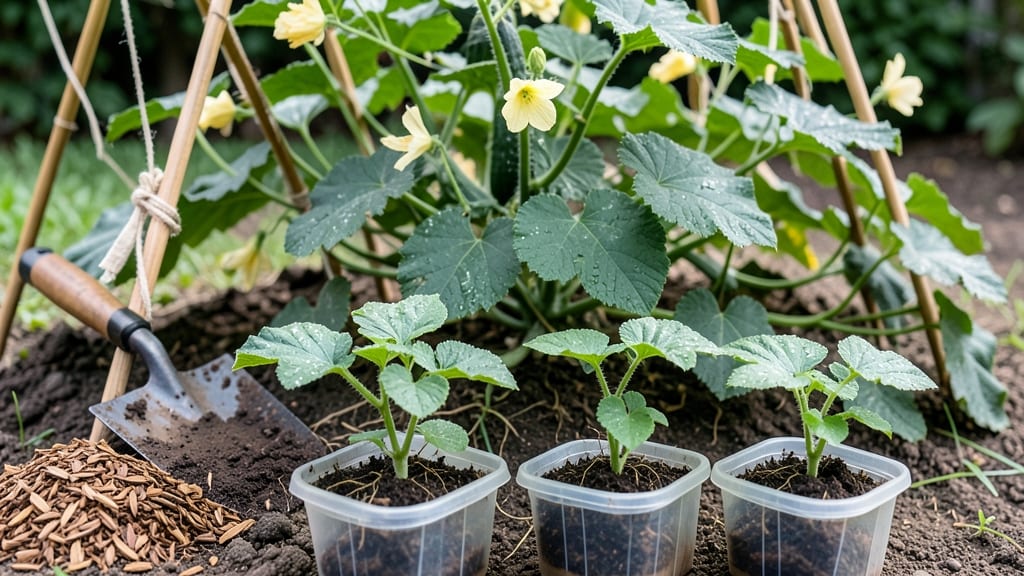
Timing your cucumber 🥒 plantings in Chicago isn't just about waiting for spring—it's about catching that narrow window between frost and summer heat where these heat-loving plants actually thrive.
One week too early, and your seedlings will shiver in cold soil; one week too late, and you might miss the chance for a full harvest before fall sets in.
Most gardeners in USDA Zone 5b-6a assume they can just plant after Memorial Day, but that’s a risky bet when Chicago’s soil can still be 10°F too cold for cucumbers to germinate properly.
The real secret? Waiting until the soil hits 60°F—usually around mid-May—and using a soil thermometer to double-check.
Whether you're starting seeds indoors for an early jump or sowing directly into the garden, I’ll walk you through the exact dates that work best in Chicago’s climate. You’ll also discover how to stretch your growing season with simple tricks that keep your cucumbers producing well into September.
No more guessing games—just a foolproof plan to turn your garden into a cucumber powerhouse without wasting time or plants. Let’s get those seeds in the ground at the perfect moment.
Chicago’s ideal cucumber planting timeline based on soil temperature
Cucumbers thrive in warm soil and consistent temperatures, making Chicago’s late spring the perfect window—but timing is everything. The average last frost date in Chicago is around May 15, but soil warmth is the real game-changer.
Cucumber seeds need soil temperatures of at least 50°F to germinate, but ideal growth starts at 60°F or higher. Without proper soil warmth, your seedlings will languish or rot.
I’ve learned the hard way that air temperature ≠ soil temperature. A sunny 70°F day in May can still hide 45°F soil, which is a death sentence for cucumbers. That’s why I now use a soil thermometer to confirm readiness.
The best time to plant? When your soil hits 60°F consistently for at least a week, usually late May to early June in most of Chicago.
Here’s the critical timeline I follow: Start monitoring soil temps in mid-April. If you’re impatient, you can start seeds indoors 3-4 weeks before the last frost (around April 15), but transplanting too early risks shock.
The goal is to have healthy seedlings ready to hit the garden when soil is warm enough.
If you’re direct sowing (planting seeds straight into the garden), wait until soil temps hit 70°F—this usually aligns with early June in Chicago. The warmer soil speeds up germination and reduces the risk of damping off, a fungal disease that attacks young seedlings.
Pro tip: Use a black plastic mulch to warm soil faster and retain moisture.
For transplanted seedlings, aim for late May when nighttime temps stay above 50°F. I’ve found that bush varieties like ‘Bush Champion’ handle cooler soil better than vining types, so they’re a great choice for early plantings. Always transplant on a cloudy day to reduce stress on the plants.
One common mistake I see is planting too early based on air temperature alone. Even if the forecast says 75°F, if your soil is still 50°F, your cucumbers will struggle.
Use a soil thermometer for 3-5 days in the afternoon to confirm readiness. If temps dip below 55°F at night, protect seedlings with row covers.
Chicago’s short growing season (about 165 frost-free days) means timing is everything. Plant too late, and you’ll miss the harvest window. Too early, and frost or cold soil will kill your plants.
The sweet spot is late May to early June, but always adjust based on your microclimate—more on that in the next section.
For container gardening, soil warms up faster, so you can plant 1-2 weeks earlier than in-ground gardens. Just ensure your pots have drainage holes and use a lightweight potting mix that warms up quickly. Containers also let you move plants to sunnier spots if needed.
Remember: Patience pays off. Rushing your planting schedule often leads to disappointment. By following soil temperature cues and adjusting for Chicago’s climate quirks, you’ll be harvesting crisp cucumbers by July instead of watching them wilt.
3 Proven planting strategies for Chicago’s short growing season
Chicago’s short growing season (just 165 frost-free days) demands smart planning to maximize your cucumber harvest. My top strategy? Start with a mix of direct sowing and transplanting to spread out your production window.
This way, you’re not betting everything on one planting date—if early season weather turns chilly, you’ve still got backup plants maturing later.
For direct sowing, wait until mid-May when soil temps hit 60°F+—this is your safest bet for avoiding cold damage. Plant seeds 1 inch deep and 2 feet apart in rows spaced 4-6 feet apart to give vines room to sprawl.
If you’re impatient, you can start seeds indoors 3-4 weeks before your last frost date (around April 15) and transplant seedlings after Memorial Day.
Here’s the game-changer: succession planting. Instead of one big planting, sow a second batch 2 weeks later (around June 1) to extend your harvest into early fall.
This works especially well for bush varieties like 'Bush Champion' or 'Spacemaster,' which mature faster (about 50 days) and handle cooler temps better than vining types.
🌱 Numbered Highlights: Chicago Cucumber Planting Strategies
- 📅 Direct Sow Mid-May: Wait for soil at 60°F+ and plant seeds 1" deep, 2' apart
- 🌱 Transplant Seedlings: Start indoors 3-4 weeks before last frost (April 15) for early harvests
- 🔄 Succession Plant: Sow a second batch June 1 to extend harvest until September
- 🌡️ Use Row Covers: Protect early plantings with lightweight fabric to add 2-3 weeks to your season
- ☀️ Choose Fast Varieties: 'Straight Eight' (58 days) or 'Marketmore' (60 days) outperform slower types
Don’t overlook row covers or cold frames to push your season earlier or later. A simple floating row cover can add 2-3 weeks to your growing window by trapping heat.
For example, if you plant on May 1 (before soil is warm enough), a row cover can help seedlings establish before removing it once temps stabilize. Just remember to remove covers during pollination (when flowers appear) to allow bees access.
Pro tip: Mulch heavily with straw or black plastic to keep soil warm and moisture consistent. I’ve seen mulched beds stay 5-10°F warmer than uncovered soil, which is a lifesaver on Chicago’s unpredictable spring nights.
Pair this with drip irrigation to avoid wetting leaves (which promotes fungal diseases), and you’ve got a cucumber-growing system that outsmarts Chicago’s climate.
Finally, if you’re growing vining varieties like 'Lemon Cucumber' or 'Armenian,' consider training them on a trellis. This saves space and keeps fruits off the ground, reducing rot.
Just be sure to harvest regularly—cucumbers left on the vine too long turn bitter, and you’ll miss out on that sweet, crisp flavor we all crave.