
Plants
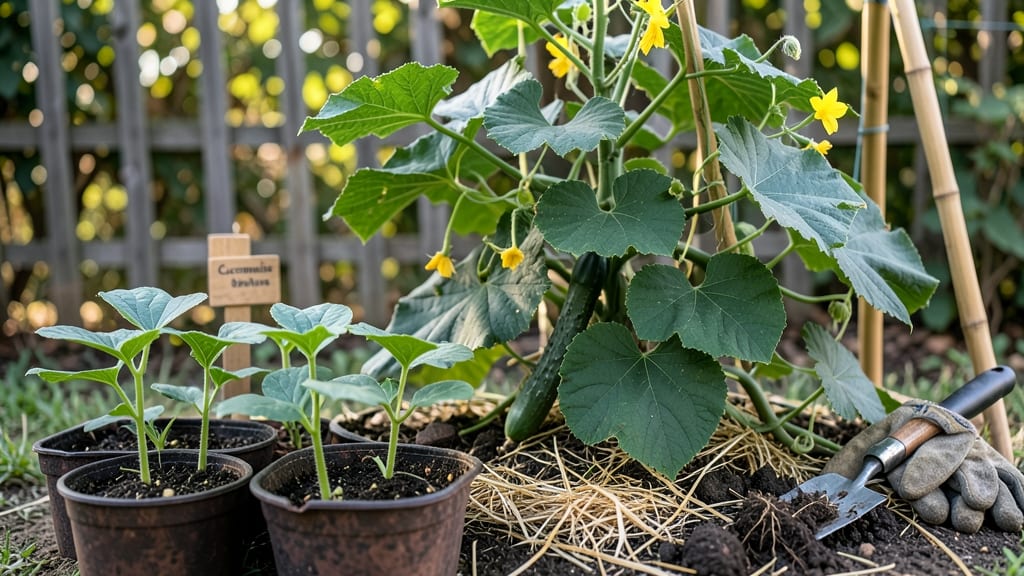
Planting cucumbers 🥒 in South Carolina at the wrong time can turn your garden dreams into a sad, wilted mess—especially when a surprise frost or scorching heat wipes out your hard work before you even taste that first crisp slice.
I’ve learned the hard way that timing isn’t just about avoiding frost; it’s about matching your cucumbers’ needs to South Carolina’s 7b-8a climate, where coastal breezes, Piedmont humidity, and mountain coolness all play a role.
Get it wrong, and you’ll either wait forever for germination or watch your plants bolt in the heat.
The secret? Planting in mid-April to early June for spring harvests or late July for fall—when soil hits that sweet 60°F threshold and frost risks fade. But here’s the twist: even these dates shift by county, and microclimates can throw off your whole schedule.
In this guide, I’ll break down the exact windows for your area, share tricks to stretch your growing season, and warn you about the 5 mistakes that ruin cucumber crops here—so you can finally enjoy that homegrown harvest without the guesswork.
South Carolina cucumber planting dates by county: frost-free zone heat maps
Planting cucumbers in South Carolina requires precision timing to avoid frost damage or scorching summer heat. The state's varied climate—from coastal humidity to mountain coolness—means last frost dates can differ by 3-4 weeks between counties.
Use these frost-free zone heat maps to pinpoint your exact planting window and maximize your harvest.
Most South Carolina counties fall within USDA Zones 7b-8a, but microclimates create exceptions. For example, Charleston (Zone 8a) enjoys a longer growing season than Greenville (Zone 7b), where late frosts linger until mid-April.
Always verify local data using the SC State Climate Office frost maps or Clemson Extension Service resources.
Spring planting (primary harvest) should occur 2-3 weeks after your county's average last frost date. Fall planting (secondary harvest) works in late July for a September-October crop before first frost. Below, find your county's ideal windows and key risks.
| County | Avg Last Frost | Spring Plant Window | Fall Plant Window | Key Risks |
|---|---|---|---|---|
| Charleston | March 10 | April 1-15 | July 20-31 | Humidity + fungal diseases |
| Columbia | March 15 | April 1-30 | July 15-31 | Late spring frosts |
| Greenville | April 1 | May 1-15 | July 25-Aug 10 | Mountain chill delays growth |
| Hilton Head | March 5 | March 25-April 10 | July 15-25 | Salt spray damage |
| Myrtle Beach | March 8 | March 30-April 10 | July 15-25 | Sand soil drains too fast |
| Spartanburg | March 20 | April 10-30 | July 20-Aug 5 | Heat stress in July |
For coastal counties like Charleston and Hilton Head, start seeds indoors 4-6 weeks before your target planting date. The warmer soil speeds germination, but humidity increases disease risk. Use row covers for early plantings to protect from late frosts (common until April 15).
Inland areas like Greenville and Spartanburg face cooler soil temperatures longer. Use black plastic mulch to raise soil temps 5-10°F faster and plant bush varieties (like 'Bush Champion') that mature quicker in shorter seasons. Soil thermometers are your best tool—wait until readings hit 60°F+ at 4" depth.
Fall plantings require even more precision. Aim for 90-100 days before your county's first frost (usually mid-November).
For example, Charleston's July 20 fall window gives a September-October harvest before frost hits. Greenville's later window (Aug 5) risks shorter daylight, so choose fast-maturing varieties like 'Straight Eight' (58 days).
Pro tip: Check the SC State Climate Office's interactive frost maps (updated annually) for real-time adjustments. 2023 data showed Charleston's last frost shifted 5 days earlier than the 30-year average—proof that localized data beats guesswork. Bookmark their heat unit accumulators tool to track growing degree days for your county.
Remember: Soil temperature matters more than air temperature. Test yours with a soil thermometer—cucumbers won't germinate below 55°F, even if the air feels warm. Raised beds warm up 2-3 weeks earlier than ground soil, giving you a head start in cooler zones like Upstate SC.
🌱 For extended harvests, try succession planting: Sow a new batch every 2 weeks from April through June. This staggering technique ensures continuous cucumbers until first frost, even in shorter-season counties like Anderson (Zone 7b)
How to adjust planting for South Carolina's microclimates: coastal vs Piedmont vs mountains
South Carolina’s diverse geography means your cucumber planting timing should change dramatically depending on whether you’re near the coast, in the Piedmont, or tucked into the mountains.
Each region has its own soil temperature, humidity levels, and heat intensity that can make or break your harvest. Let’s break down what works where.
In coastal counties like Charleston or Hilton Head, warmer ocean breezes can push your planting window 2-3 weeks earlier than inland areas. The Atlantic’s moderating effect means soil warms faster, but also raises humidity risks for fungal diseases.
I’ve found that starting seeds indoors by mid-March and transplanting by late April works best here.
For Piedmont regions (Columbia, Greenville, Spartanburg), the classic mid-April to early June window applies, but you’ll need to watch for late spring frosts that can linger until mid-April. The Piedmont’s rolling hills create microclimates where valleys stay cooler—plant on south-facing slopes for faster soil warming.
| Region | Key Climate Factors | Optimal Planting Window | Critical Adjustments |
|---|---|---|---|
| Coastal (Charleston, Myrtle Beach) | Warmer soil, high humidity, salt spray | Mid-March (indoors) → Late April (outdoors) | Use disease-resistant varieties; space plants wider for airflow |
| Piedmont (Columbia, Greenville) | Moderate temps, late frosts, rolling terrain | Mid-April → Early June | Plant on south-facing slopes; use black plastic mulch for warmth |
| Mountains (Upstate, Caesars Head) | Cooler nights, shorter season, higher elevation | Late April → Mid-June | Choose fast-maturing varieties (50-55 days); extend season with row covers |
Upstate and mountain areas like Caesars Head or Table Rock State Park have the shortest growing seasons, with cooler nights that can delay germination. Here, I recommend late April starts and focusing on bush varieties that mature in 50-55 days.
Use row covers to add 2-3°F warmth and push your harvest window later into fall.
Pro tip: If you’re in a transitional zone (like Orangeburg between coast and Piedmont), test your soil temperature with a probe—wait until it hits 60°F before planting. I keep a soil thermometer handy and adjust my schedule based on real data, not just calendar dates.
Remember, even within regions, elevation matters. A mountain garden at 2,000 feet will need a different approach than one at 500 feet. When in doubt, check with your local Cooperative Extension Service for hyper-local advice tailored to your specific microclimate.