
Plants
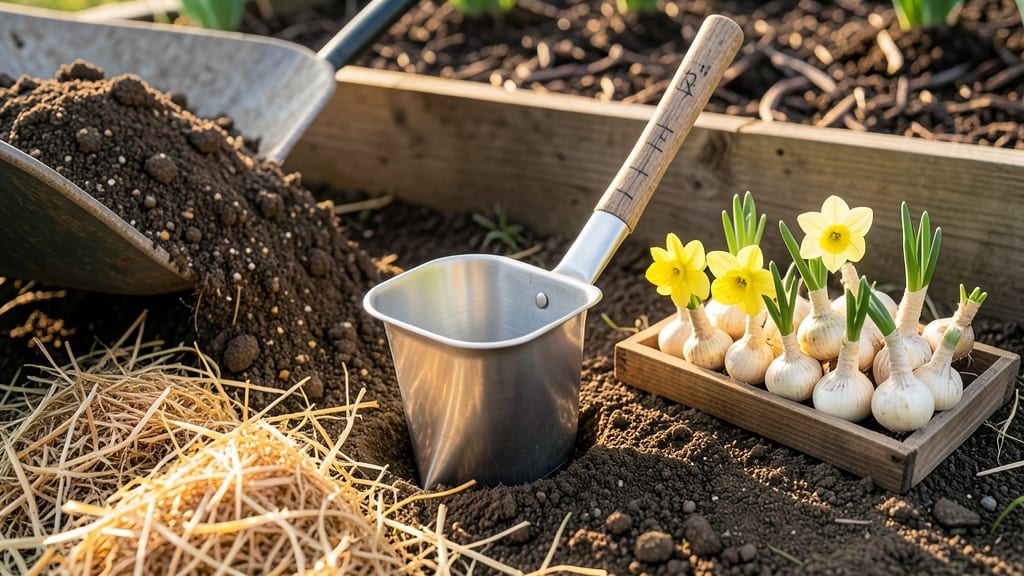
Planting daffodil bulbs at the wrong time in California could mean waiting another year for those cheerful 🌼 blooms—or worse, no flowers at all. The key to success lies in understanding your region’s microclimate, whether you’re in frost-free coastal areas or inland zones where winter chill matters.
Most gardeners in USDA Zones 8-10 (especially coastal regions) can plant daffodils from October through December, but inland areas with colder winters need to time it just right—4-6 weeks before the first frost. Get this wrong, and your bulbs might rot or fail to bloom.
I’ll break down the best planting windows for Northern, Central, and Southern California, including soil prep tips to ensure your daffodils thrive. Whether you’re a first-time planter or a seasoned gardener, these insights will help you avoid common mistakes and get the brightest, healthiest blooms next spring.
Ready to turn your garden into a springtime showstopper? Let’s dive into the exact timing and techniques that work for California’s diverse climate.
California daffodil planting calendar: month-by-month guide by region
Daffodils thrive in California’s mild winters but need precise timing to avoid frost damage or overheating. Coastal areas like San Francisco never freeze, while inland zones (e.g., Sacramento) face light frosts. Here’s your region-specific planting schedule to ensure vibrant spring blooms.
For Northern California (USDA Zones 8-9), aim for October 15–November 15. Soil temps should drop to 50–60°F—ideal for root growth before winter rains. In Central California (Zone 9-10), plant November 1–December 15 when nights cool below 60°F.
Southern California (Zone 10) is trickier—plant December 1–January 15 to avoid heat stress during germination. Desert areas (e.g., Palm Springs) may need earlier fall planting (September-October) with extra mulch.
| Region | Best Planting Window | Soil Temp Goal | Frost Risk |
|---|---|---|---|
| Northern CA (Zone 8-9) | Oct 15–Nov 15 | 50–60°F | Moderate (Dec–Jan) |
| Central CA (Zone 9-10) | Nov 1–Dec 15 | 55–65°F | Light (Dec) |
| Southern CA (Zone 10) | Dec 1–Jan 15 | 60–70°F | None |
| Desert CA (Zone 10+) | Sep 15–Oct 31 | 65–75°F | None |
Use a soil thermometer to confirm temps—60°F is the sweet spot for root initiation. In coastal fog zones (e.g., Monterey), plant later (November) to avoid excessive moisture that causes rot.
For container gardening, plant 2–4 weeks earlier than in-ground schedules. Pots dry out faster, so use well-draining mixes with perlite. Place containers in partial shade during summer to prevent bulb stress.
After planting, mulch with 2–3 inches of straw to insulate bulbs. In drought-prone areas, water deeply once a week until rains return. Avoid overwatering—daffodils hate soggy soil.
Pro tip: Mark your planting spots with biodegradable flags. Daffodil foliage can take 6–8 weeks to emerge, so you’ll forget where you planted!
If you miss the fall window, January planting works in frost-free zones, but expect smaller blooms the first year. Always choose disease-resistant varieties like ‘Tête-à-Tête’ for California’s humid coastal climates.
🌼
How to choose planting depth and spacing for California’s soil types
California’s diverse soil types—from sandy coastal soils to clay-heavy Central Valley ground—directly impact how deep and far apart you should plant your daffodil bulbs. Getting this right prevents rot, encourages strong root growth, and sets your bulbs up for vibrant spring blooms.
Let’s break down the ideal depth and spacing for each soil type, plus how to prep your soil for success.
Most gardeners dig holes 6 inches deep for daffodil bulbs, but California’s clay soils (common in the Central Valley) need extra attention. In heavy clay, plant 4-5 inches deep to avoid waterlogging, while sandy soils (coastal areas) can handle the full 6-inch depth.
The rule of thumb? Plant bulbs at a depth equal to 3x their width—this ensures roots have room to spread without crowding.
Spacing matters just as much as depth. In well-draining soils (like loam or sandy loam), space bulbs 4-6 inches apart for a lush look. For clay-heavy soils, stretch that to 6-8 inches apart to prevent competition and improve airflow. Pro tip: Use a bulb planter or even a trowel to create precise holes—this keeps spacing consistent and saves time!
| Soil Type | Planting Depth | Spacing | Soil Prep Tip |
|---|---|---|---|
| Sandy (Coastal) | 6 inches | 4-6 inches apart | Mix in compost to retain moisture. |
| Loam (Central Valley) | 5-6 inches | 5-6 inches apart | Avoid compacting soil; loosen with fork. |
| Clay (Inland) | 4-5 inches | 6-8 inches apart | Amend with perlite or coarse sand. |
Before planting, amend your soil to mimic ideal conditions. For sandy soils, work in 2-3 inches of compost to improve moisture retention. In clay soils, mix in coarse sand or perlite to break up compaction and improve drainage.
A quick soil test (available at local nurseries) can reveal if your soil is too acidic or alkaline—daffodils thrive in neutral pH (6.5-7.0), so adjust with lime or sulfur if needed.
Once your holes are dug and soil is prepped, place each daffodil bulb with the pointy end up—this ensures the stem grows straight toward sunlight.
Cover the bulb with soil, gently firm it down (but don’t compact), and water deeply to settle the soil around the roots. Mulch lightly with straw or shredded leaves to protect bulbs from temperature swings during winter.
After planting, water deeply once a week until rains return, but avoid overwatering—daffodils hate soggy soil. In drought-prone areas (like Southern California), reduce watering to every 2 weeks once roots establish.
With the right depth, spacing, and soil prep, your daffodils will reward you with bold, early spring blooms year after year.