
Plants
Planting dahlias in California isn’t just about timing—it’s about outsmarting the heat and avoiding the dreaded bolt that turns your stunning 🌼 blooms into sad, leggy stalks before they even open.
Most gardeners in USDA zones 9-10 (coastal or inland) assume spring is the only window, but that’s where they go wrong. The truth? Coastal gardeners can plant year-round, while inland zones need to wait until soil warms to 60°F—usually by late February or March.
I’ll show you exactly when to plant based on your microclimate, whether to pre-sprout tubers, and how to keep your dahlias thriving through summer’s 90°F+ days without wilting or bolting.
Skip the guesswork and learn the exact strategies that turn California’s long growing season into a nonstop parade of summer-to-fall blooms—even in zero-frost zones.
California heat-zone planting calendar for dahlias
California’s diverse climate—from coastal fog belts to inland desert valleys—means one-size-fits-all planting advice fails for dahlias. In USDA zones 7-11, timing shifts dramatically: coastal gardeners can plant year-round, while inland areas must wait for soil to warm. The key? Soil temperature and microclimates, not just calendar dates.
For Northern California (zones 7-9), aim for late February to early April—after the last frost (typically January 15) and when soil hits 60°F.
In Southern California (zones 10-11), you’ve got flexibility: October through April works, with November-January ideal for zero-frost zones like San Diego or Palm Springs.
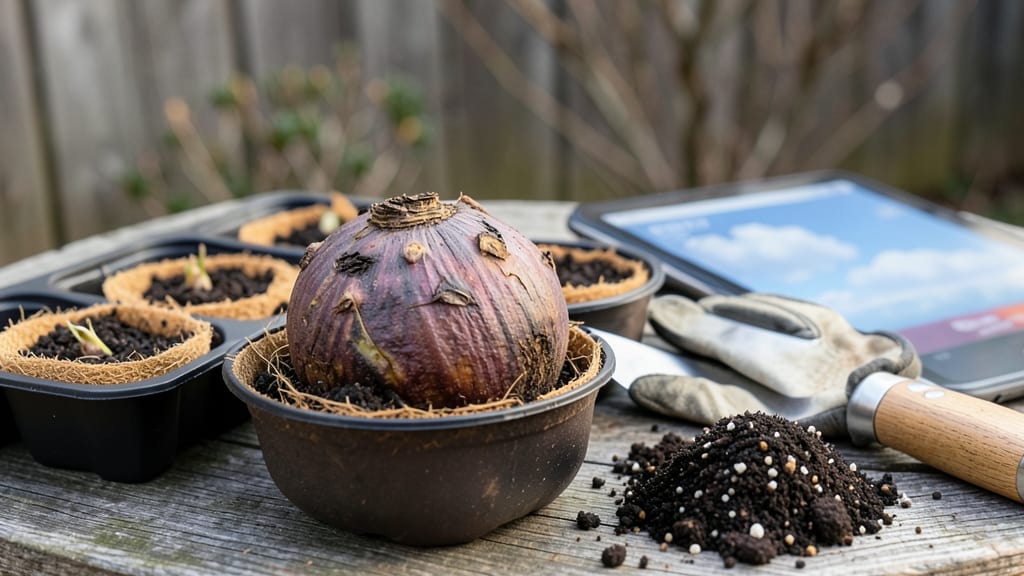
Pro tip: Pre-sprout tubers indoors 4-6 weeks before outdoor planting to jumpstart growth. Use a seedling heat mat set to 70°F—this mimics California’s spring soil warmth and gives you a 2-week head start on blooms.
Here’s how to match your location to the perfect planting window:
Notice how Southern California’s zero-frost zones let you plant dahlias in October for summer blooms—a trick Northern gardeners can’t use. But inland areas like Palm Springs must avoid summer planting or risk heat stress that stunts growth.
For coastal gardeners, pay attention to nighttime temperatures. If lows dip below 50°F (10°C), delay planting until May to prevent cold damage to emerging tubers. Use a soil thermometer—this $10 tool is your best friend for California’s unpredictable microclimates.
One common mistake? Planting too deep in cool soil. Dahlias need 4-6 inches of depth, but if your soil stays below 60°F, roots won’t activate. Amend with compost to warm soil faster—this is especially critical in cooler coastal areas like Santa Cruz.
Here’s a quick soil prep checklist before planting:
- ✅ Test soil pH (aim for 6.0-7.0)
- ✅ Mix in 3 inches of compost or aged manure
- ✅ Avoid fresh mulch—it cools soil too much
- ✅ Water soil 24 hours before planting to prevent shock
Remember: Dahlias hate soggy roots. In Southern California’s winter rains, plant on well-draining slopes or raised beds to prevent rot. And if you’re in zone 11, consider shade cloth for summer—even 30% shade can extend bloom season by 3-4 weeks.
🌼
Signs your California climate is ready for dahlias (beyond the calendar)
California’s microclimates can make generic planting charts useless—your neighbor’s perfect timing might send your dahlias bolting into oblivion. Instead of relying on months, watch for these 3 key signs that your soil and air are finally dahlia-friendly.
First, check soil temperature—dahlias need 60°F+ soil to thrive. Use a soil thermometer (or press your hand into the ground—if it’s too hot to hold for 5 seconds, wait a week).
Coastal gardeners often hit this mark by mid-February, while inland zones may need to wait until late March or April.
Next, monitor nighttime temperatures. Dahlias tolerate daytime heat but struggle below 50°F at night. If your thermometer dips below that, delay planting until stable 55°F+ nights arrive—usually by mid-April for most of California.
Finally, observe local microclimates. A coastal garden in San Diego might be ready by January, while a Central Valley yard could need to wait until May. If your area has frost pockets or cold air pooling, plant in sheltered spots or use row covers for early starts.
🌱 Key Takeaway: California’s Ready-to-Plant Checklist
- ✅ Soil temp: 60°F+ (use thermometer)
- ✅ Night temps: Stable 55°F+
- ✅ Microclimate: Sheltered from cold air
- ✅ Frost risk: None (coastal) or passed (inland)
Pro Tip: Pre-sprout tubers indoors 4-6 weeks before your target date to jumpstart growth in cooler zones.
Don’t ignore humidity levels either—dahlias in low-humidity inland areas (like the Central Valley) may need extra mulch to retain moisture. If your air feels dry enough to make your hair crackle, plan to water daily for the first 2 weeks after planting.
One final trick: Plant test tubers in small pots a week before your target date. If they sprout within 7-10 days, your climate is ready. If not, wait another week—your dahlias will thank you with bold, vibrant blooms instead of sad, stunted stems.