
Plants
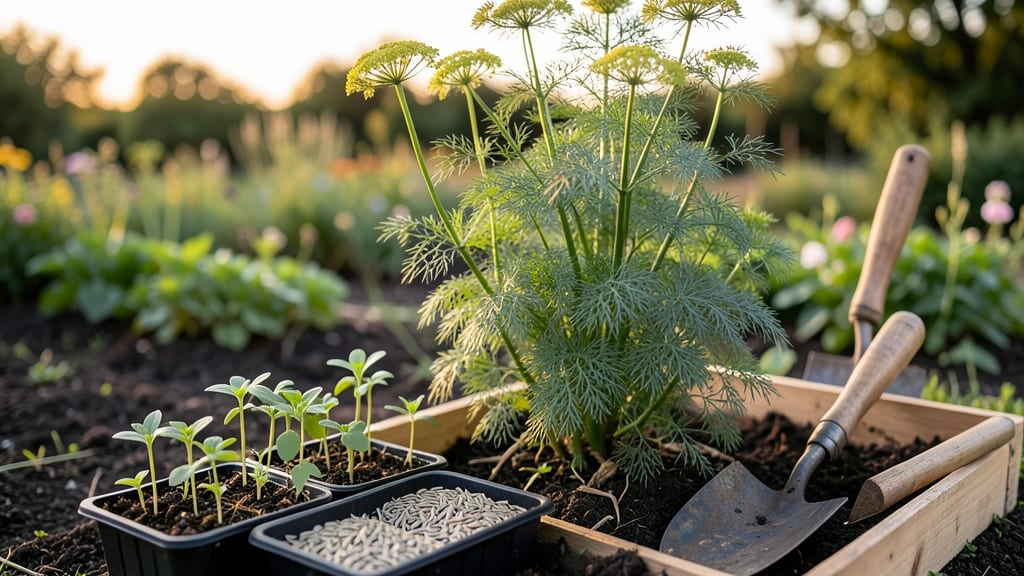
Planting dill in Zone 9 is all about beating the heat—because timing it wrong means bolting before you even get to harvest. The key to lush, flavorful 🌿 dill lies in those cooler months, when temperatures stay mild enough for steady growth.
If you’ve ever watched your dill shoot up flowers in weeks instead of weeks, you know how frustrating it can be. But with the right planting window—think late winter or early fall—you can sidestep that problem entirely.
I’ll show you exactly when to get those seeds in the ground for the best harvests, whether you’re in Southern California or Arizona.
We’ll also cover the heat-tolerant varieties that actually thrive in Zone 9’s climate, plus pro tips to keep your dill happy and productive. No more wasted effort—just fresh, fragrant herbs ready to use in your favorite dishes.
Ready to grow dill that lasts? Let’s dive into the perfect months and tricks to make it work in your garden.

Best months to plant dill in Zone 9 for maximum growth
Zone 9’s hot summers and mild winters create unique challenges for growing dill. Unlike cooler climates, you’ll want to focus on fall and early spring planting to avoid the plant bolting too quickly.
The key is planting when soil temperatures stay below 75°F (24°C), which prevents premature flowering and seed production.
In Southern California, the ideal window is mid-September to early November for fall harvests and late January to early March for spring growth. These months align with cooler temperatures and longer daylight hours, giving dill the energy it needs to establish strong roots before summer’s heat arrives.
If you’re in Arizona or Nevada, shift your planting slightly earlier—late August to mid-October for fall and December to February for spring. The desert climate heats up faster, so timing is even more critical.
Always check your local last frost date (typically around January 15 in Zone 9) to avoid frost damage to young seedlings.
For container gardening, you can extend your growing season by planting 4-6 weeks earlier than in-ground dill. Pots heat up faster, so use lightweight, breathable containers and place them in partial shade during peak afternoon sun to protect tender seedlings.
🌱
Direct-sowing is the best method for dill in Zone 9, as seedlings hate being transplanted. Scatter seeds ¼-inch deep in well-draining soil with a slightly acidic to neutral pH (6.0-7.0). Space seeds 12-18 inches apart to allow airflow and reduce disease risk.
If you’re growing dill for seeds, leave extra space—up to 24 inches apart—since mature plants can reach 4-5 feet tall.
After sowing, keep the soil consistently moist but not soggy. Use mulch (like straw or shredded leaves) to retain moisture and regulate soil temperature. This is especially important in spring plantings, where rapid warming can cause dill to bolt before you harvest.
For successive planting, sow new seeds every 2-3 weeks during your chosen window. This ensures a continuous supply of fresh dill for pickling, soups, or garnishes. Just remember: never let dill go to seed if you want tender leaves—harvest before flowers appear!
🌿
If you’re planting in late summer (August), prepare your soil with compost or aged manure to boost fertility. Dill is a light feeder, but rich soil helps it establish faster. Avoid heavy fertilizers high in nitrogen, which can lead to leafy growth at the expense of flavor.
Finally, monitor your dill for signs of stress, like yellowing leaves or wilting. These often signal overheating or underwatering. In Zone 9’s heat, morning watering is critical—it reduces evaporation and prevents fungal diseases like powdery mildew, which thrives in humid conditions.
With the right timing and care, your dill will thrive year-round in Zone 9, giving you fresh, aromatic herbs for salads, fish dishes, and homemade pickles—no matter the season!
Best months to plant dill in Zone 9 for maximum growth
Zone 9’s mild winters and scorching summers make timing critical for dill success. The ideal planting windows are late winter (February-March) and early fall (September-October), when soil temperatures stay cool enough to prevent bolting.
Planting too early in spring risks heat stress, while summer sowing often leads to rapid flowering.
For spring harvests, aim to sow seeds 4-6 weeks before your last frost date—typically mid-February in most of Zone 9. This gives seedlings time to establish before temperatures climb. In Southern California, where frosts are rare, focus on September-October plantings for a winter harvest before summer heat arrives.
Soil temperature is your best indicator: dill thrives when soil stays between 50-75°F. Use a soil thermometer to check—if it’s above 80°F, wait or use shade cloth. In Arizona or Nevada, where summers are even hotter, fall planting is your only reliable option.
| Planting Window | Soil Temp | Harvest Time | Key Tip |
|---|---|---|---|
| Late Winter (Feb-Mar) | 50-65°F | Spring (Mar-May) | Direct-sow after last frost |
| Early Fall (Sep-Oct) | 60-75°F | Fall (Oct-Dec) | Avoid summer heat; use shade |
| Avoid Summer Planting | Above 80°F | Bolting risk | Wait for cooler temps |
If you miss the ideal windows, don’t despair—succession planting every 2-3 weeks in spring or fall keeps your supply steady. For example, sow a new batch in mid-March and another in early October to enjoy fresh dill year-round. Just remember: dill hates transplanting, so always direct-sow seeds.
Pro tip: In coastal Zone 9 (like San Diego), you can push spring plantings slightly later—until mid-Aprilmicroclimate for the best results.
Finally, prepare your soil with compost-rich loam and a light mulch to retain moisture. Dill’s roots are shallow, so consistent soil moisture is key to preventing bolting. With the right timing, you’ll enjoy flavorful harvests without the frustration of premature flowering.