
Plants
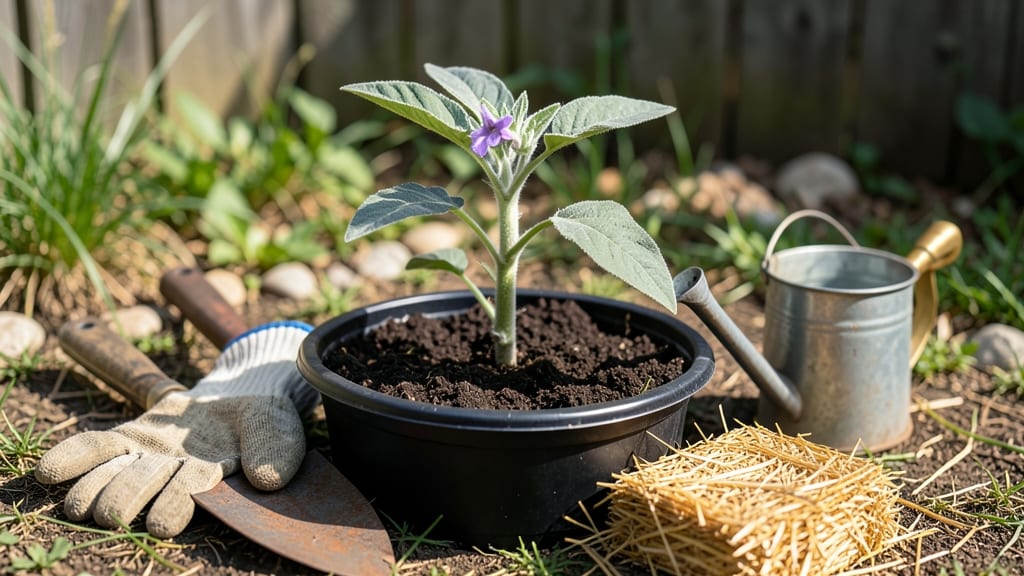
Planting eggplant in Zone 7 at the wrong time can turn your garden dreams into a sad, wilted mess—especially when you're just a few weeks away from a harvest of glossy 🍆 beauties.
The key isn't just waiting until spring; it's timing it so the soil is warm enough (at least 70°F) and the air stays reliably above 55°F at night.
Most gardeners in Zone 7 make the mistake of rushing eggplants into the ground as soon as the last frost passes—only to watch their plants struggle or even die back.
That’s why I’ve learned to wait until late April to early May, when the ground has had time to soak up the sun’s heat and the risk of late frosts has faded.
Whether you’re starting seeds indoors or transplanting seedlings, getting this right means the difference between a thriving eggplant patch and a sad, stunted failure. I’ll walk you through the exact steps to time it perfectly—so you can enjoy those deep-purple fruits from July through October without the stress.
Ready to turn your Zone 7 garden into an eggplant powerhouse? Let’s dive into the heat-loving schedule that’ll give you the best possible start.

Optimal eggplant planting dates in Zone 7 for maximum yield
In Zone 7, eggplant (Solanum melongena) thrives when planted after the last frost date—typically between mid-April and early May. However, the real secret lies in soil temperature, not just air temperature.
Eggplants need soil that's warmed to at least 70°F (21°C) to germinate properly and grow vigorously.
If you're starting seeds indoors, begin them 8-10 weeks before your last frost date—usually around mid-February to early March. This gives seedlings a head start before transplanting them outdoors in late April or early May.
For direct sowing, wait until after May 15 to ensure soil warmth and avoid transplant shock.
Here's why timing matters: Eggplants are heat-loving annuals that bolt (flower prematurely) if exposed to cold snaps. In Zone 7, where spring temperatures fluctuate, planting too early can stunt growth or even kill seedlings. The goal is to align your planting with consistent warmth and longer daylight hours.
For a longer harvest window, consider planting a second crop in early July. This late planting takes advantage of Zone 7's 165 frost-free days, allowing you to extend your harvest into October.
Just be sure to choose shorter-day varieties like 'Black Beauty' or 'Ichiban' for better success.
🌱 Eggplant Planting Timeline for Zone 7
| Stage | Action | Timeframe |
|---|---|---|
| Indoor Seed Start | Sow seeds 8-10 weeks before last frost | Mid-February to early March |
| Hardening Off | Acclimate seedlings to outdoors | Late March to early April |
| Transplant Outdoors | After last frost, soil ≥70°F | Late April to early May |
| Direct Sowing | Wait for warm soil | After May 15 |
| Second Crop | For extended harvest | Early July |
| Harvest Window | Peak production | July to October |
Zone 7 gardeners often face unpredictable spring weather, so flexibility is key. Use a soil thermometer to confirm warmth before planting—eggplant seeds won't germinate in cold soil. If your area experiences late frosts, consider using row covers or planting in containers that can be moved to warmer microclimates.
For early varieties, aim for a 70-day harvest time from transplanting. This means starting seeds by March 1 to harvest in mid-May, just as summer heat arrives.
Mid-season varieties (like 'Rosa Bianca') take 80-85 days, while late-season types (like 'Long Purple') can stretch harvests into October if planted in early July.
Pro tip: Monitor your local microclimate. South-facing garden beds warm up faster than north-facing ones, so plant there first. If you're in a cooler pocket of Zone 7 (like higher elevations), err on the side of planting later to avoid transplant shock from sudden temperature swings.
Remember, eggplants are sensitive to cold stress, so always check your extended weather forecast before transplanting. A sudden drop below 50°F (10°C) can stunt growth or trigger blossom drop. When in doubt, wait an extra week for stable warmth—your plants will thank you with bigger, healthier fruit.
Finally, keep an eye on daylength. Eggplants are short-day plants, meaning they flower more in shorter days. In Zone 7, this means peak flowering occurs in late summer, so plan your planting schedule to maximize this natural cycle for continuous harvests.
Optimal eggplant planting dates in Zone 7 for maximum yield
In Zone 7, eggplants demand precise timing—plant too early, and you risk cold-sensitive roots or stunted growth. The sweet spot is after your last frost date (typically late April to early May), but with one critical caveat: soil must reach 70°F+ before planting.
I’ve learned this the hard way—my first attempt in early April ended with sad, yellowing seedlings.
For transplanted seedlings, aim for mid-May to ensure they’ve outgrown their nursery pots and can handle Zone 7’s occasional late frosts. If you’re direct sowing seeds, wait until early June—the extra warmth gives seedlings a better chance to establish before summer’s heat arrives.
Here’s my Zone 7 eggplant planting timeline based on years of trials and errors:
| Stage | Action | Notes |
|---|---|---|
| Late April | Start seeds indoors (6-8 weeks before last frost) | Use heat mat for faster germination |
| Mid-May | Transplant hardened seedlings (soil 70°F+) | Choose cloudy day to reduce transplant shock |
| Early June | Direct sow seeds (if preferred) | Cover with row fabric for extra warmth |
| July-August | Harvest begins (60-90 days after transplant) | Pick when fruit is glossy and firm |
Pro tip: Use a soil thermometer—I keep one buried in my garden bed to track temperatures. Eggplants won’t thrive until the soil hits 70°F, no matter what the air temperature says.
If your soil is cooler, hold off planting—your plants will thank you with vibrant growth instead of leggy, weak stems.
For extended harvests, consider planting successive batches every 2-3 weeks in late May and early June. This staggered approach ensures you’ll have eggplants ready to pick from July through October, just as they ripen. Just remember: late-season varieties like ‘Black Beauty’ handle cooler temps better than early ones.
Timing your eggplant planting right in Zone 7 isn’t just about dates—it’s about reading your microclimate. Watch for those warm soil signals (like earthworms reappearing) before you commit. With the right schedule, you’ll be feasting on homegrown eggplants before you know it! 🍆