
Plants
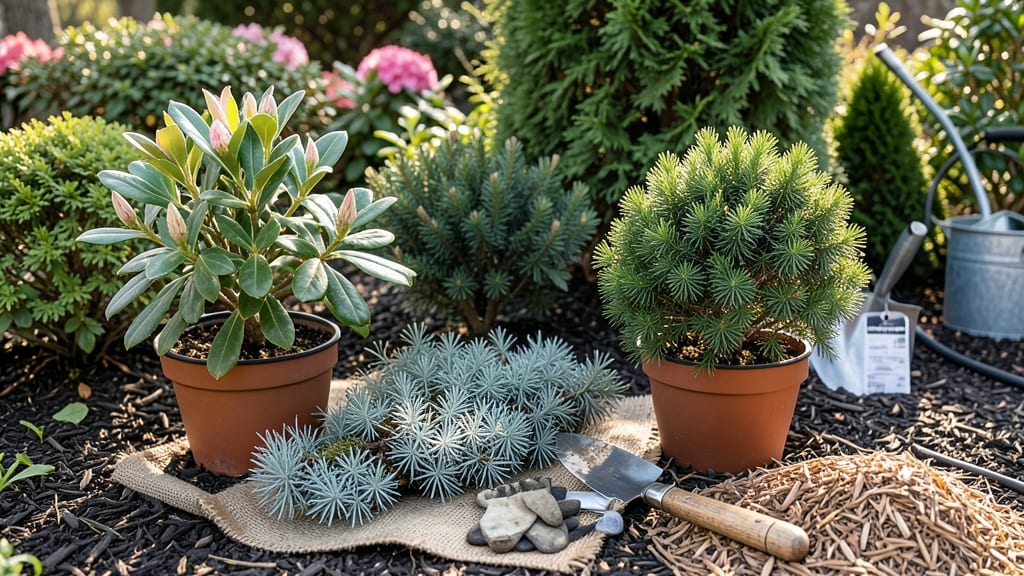
Planting evergreens in Zone 6 at the wrong time can turn your 🌲 dream garden into a risky gamble—especially when winter dieback lurks just around the corner. The key to success lies in understanding your region’s frost dates and how they shape the best windows for root establishment.
Most gardeners in Zone 6 (6a-6b) swear by fall planting as the golden window—typically between September and November—when soil stays warm enough for roots to settle before winter’s chill sets in.
But early spring, right after the last frost (usually around April 15), is also a solid backup plan.
Why does timing matter so much? Evergreens planted too late in fall may struggle to establish roots before freezing temperatures arrive, while spring plantings risk heat stress if done too early. The right approach depends on your specific 🌲 variety—whether you’re working with drought-tolerant pines or moisture-loving rhododendrons.
Let’s break down the exact months that work best, plus how to prep your soil and choose the right species for your Zone 6 climate. Your evergreens’ long-term health starts with these critical steps—don’t miss them!

Best months to plant evergreens in Zone 6 for maximum survival
In Zone 6, where winters can dip below 0°F and summers reach 90°F+, timing your evergreen planting is critical. The ideal window spans from early September through mid-November and mid-March through April, aligning with soil temperatures and moisture availability.
Planting outside these windows risks transplant shock or winter dieback—especially for broadleaf evergreens like rhododendrons.
Fall planting gives roots 6-8 weeks to establish before winter dormancy, while spring planting ensures active growth begins after frost danger passes. Microclimates matter too: urban areas may stay warmer, extending fall planting into December, while rural zones should finish by mid-November to avoid early freezes.
🌲
| Season | Best Months | Soil Temp | Key Advantage |
|---|---|---|---|
| Fall | September–November | 50–65°F | Roots establish before winter dormancy |
| Early Spring | March–April | 45–60°F | Active growth begins post-frost |
| Late Spring | May (Risky) | 60–75°F | Higher transplant shock risk |
| Winter | December–February | Below 40°F | Only for bare-root stock |
Avoid planting in late spring (May–June) or summer, when Zone 6’s heat and drought stress young roots. If you must plant in summer, choose container-grown evergreens with established root balls and mulch heavily to retain moisture.
For bare-root evergreens, winter planting is possible in Zone 6b (warmer microclimates) but requires snow cover or protective mulch.
Soil preparation is just as critical as timing. Amend clay-heavy soils with compost or sand to improve drainage, and adjust pH for acid-loving species like pine (pH 4.5–6.0) or spruce (pH 4.5–5.5). Test your soil 2–3 weeks before planting to make adjustments.
Container planting offers flexibility in Zone 6. Use 1-gallon pots for small evergreens and upgrade to 5+ gallons for larger varieties. Plant containers in partial shade during summer to prevent root stress, then move to full sun in fall or spring.
Remember: container-grown evergreens dry out faster—water when the top 1–2 inches of soil feel dry.
🪴
For large evergreens (e.g., Blue Spruce or Eastern Red Cedar), hire a pro for ball-and-burlap planting in spring. These trees need amendments to the planting hole (e.g., peat moss for acid-lovers) and staking if winds are strong.
Smaller shrubs like Arborvitae or Juniper can handle DIY planting with proper watering schedules.
Monitor your newly planted evergreens for needle browning or wilting, which signals overwatering or underwatering. In Zone 6, first-year survival hinges on consistent moisture—aim for 1–1.5 inches of water weekly (more in summer).
Mulch with 3–4 inches of pine straw or wood chips to lock in moisture and protect roots.
Best months to plant evergreens in Zone 6 for maximum survival
In Zone 6, the ideal window for planting evergreens spans September through November or March through April, aligning with soil temperatures that support root growth without winter stress. Fall planting is my top recommendation because cooler air temperatures reduce transplant shock while soil remains warm enough for root establishment.
For spring plantings, wait until after the last frost date (typically around April 15 in most of Zone 6). Planting too early risks heat stress or frost damage if an unexpected cold snap hits.
Microclimates matter—gardeners in Zone 6a (colder) should lean toward late September or early April, while Zone 6b (warmer) can extend to mid-November or mid-April.
Soil temperature is the deciding factor. Aim for 50–60°F at a 6-inch depth—this ensures roots grow actively without freezing. Use a soil thermometer to check before planting. In my experience, October often hits this sweet spot in Zone 6, giving roots 6–8 weeks to settle before winter.
| Planting Window | Soil Temp (6" Depth) | Key Advantages | Risks to Avoid |
|---|---|---|---|
| Late August–Early November (Fall) | 50–60°F | Cooler air reduces stress; roots establish before winter. | Planting too late (Dec+) risks frost damage. |
| March–Mid-April (Spring) | 45–55°F | Warmer soil speeds root growth; full growing season ahead. | Early planting (Feb+) risks frost or heat stress. |
| June–July (Emergency) | 60°F+ | Only for bareroot stock; requires extra watering. | High transplant shock; not recommended for most evergreens. |
Container-grown evergreens offer more flexibility—they can be planted up to 6 weeks later than bareroot varieties because their root balls are already established. However, even containers need 6–8 weeks of warm soil to thrive.
My rule of thumb: If your Zone 6 first frost is October 15, aim to plant container evergreens by September 1.
Pro tip: Mulch heavily (3–4 inches) after planting to insulate roots. In my garden, I use pine straw or wood chips to retain moisture and regulate temperature. Avoid fresh mulch, which can draw heat and harm young roots. For drought-prone areas, consider drip irrigation for the first 30–60 days post-planting.
Timing isn’t just about months—it’s about preparing your soil. Test your soil’s pH (5.0–7.0 for most evergreens) and amend with compost or peat moss if needed. Evergreens hate soggy roots, so ensure well-draining soil.
If your yard has clay soil, mix in sand or perlite to improve aeration. The right soil prep makes all the difference in Zone 6’s unpredictable winters.