
Plants
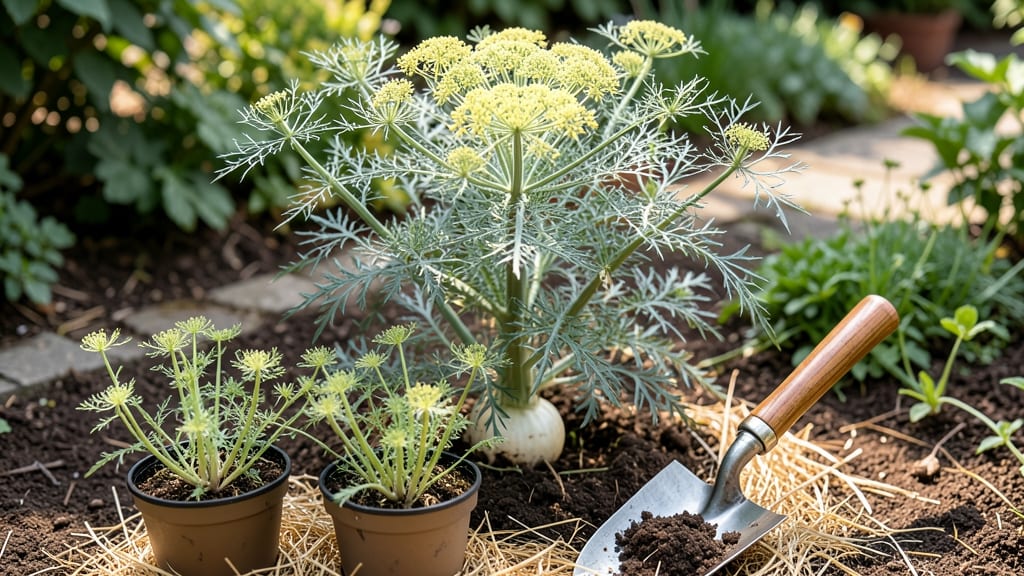
If you’ve ever planted fennel 🌿 in Zone 9 and watched it bolt before you could harvest a single leaf, you’re not alone—timing is everything.
The key to growing tender, flavorful fennel lies in planting it during the coolest months when temperatures stay mild, avoiding both summer’s scorching heat and winter’s rare frost.
For Zone 9 gardeners, the ideal window to plant fennel is between late February and early March, when soil temperatures are just right and the risk of frost has passed. This timing ensures your fennel matures before the summer heat triggers bolting, turning your harvest into a bitter disappointment.
But here’s the catch: coastal areas like Southern California may have a slightly later window, while inland regions like Arizona might need to plant even earlier.
I’ll break down the exact months for your specific microclimate and share proven strategies to extend fennel’s growing season so you can enjoy fresh fronds all the way through summer.
Ready to grow fennel that’s zero-bolt and packed with flavor? Let’s dive into the exact planting schedule—and the care tips—that will transform your garden from frustrating to fantastic.

Best planting months for fennel in Zone 9 to avoid bolting
Fennel thrives in Zone 9’s mild winters but struggles with summer heat, which triggers early bolting. The key is planting during cooler months when soil temperatures stay below 75°F—this gives fennel time to mature before the heat sets in.
In my Zone 9b garden, I’ve found that late winter to early spring (February–March) yields the sweetest, zero-bolt harvests.
Zone 9’s microclimates (like coastal vs. inland areas) create slight variations. For example, Los Angeles can plant in February, while Arizona’s Phoenix should wait until March to avoid premature bolting. Always check your last frost date—even Zone 9 can see rare light frosts in January.
📅 Ideal Planting Window: February–March (primary), with a secondary window in October–November for a fall harvest. The goal is to finish growth before April’s rising temperatures push soil temps past 80°F, which accelerates bolting.
| Month | Soil Temp (°F) | Planting Risk | Action |
|---|---|---|---|
| February | 60–70°F | Low (ideal) | Direct sow or transplant |
| March | 65–75°F | Moderate (watch heat spikes) | Sow early morning, shade cloth |
| April | 75–85°F | High (bolting risk) | Avoid; use shade cloth if sowing |
| October | 70–78°F | Moderate (fall harvest) | Direct sow for late harvest |
| November | 65–72°F | Low (ideal for slow growth) | Best for overwintering |
For direct sowing, aim for soil temperatures below 70°F. Use a soil thermometer to monitor—fennel seeds won’t germinate well above 75°F. In my garden, I’ve had success with biodegradable seed starter pots to give seedlings a head start before transplanting into the ground.
If you miss the February–March window, consider container growing. Pots let you move fennel to shadier spots or even indoors near a south-facing window during peak summer. Just ensure pots have drainage holes—fennel hates soggy roots.
🌡️ Temperature Tips: Fennel bolts when days exceed 14 hours of light or soil temps hit 80°F+. In Zone 9, this happens by late April. To delay bolting, use 30% shade cloth during 10 AM–4 PM when temps rise above 78°F.
My Zone 9b garden in Southern California gets 300+ frost-free days, so I prioritize early spring planting to finish harvests by June. After that, the heat becomes too intense, even with shade. For Arizona gardeners, aim to harvest by May due to earlier heat onset.
Pro tip: Harvest fronds first (they’re edible when 12–18 inches tall) to reduce stress on the bulb. This extends the edible window by 2–3 weeks before bolting sets in. Save the bulbs for late harvests when they’re fully swollen but still firm.
Remember, bolting = bitterness. The earlier fennel bolts, the more anethole compounds (the bitter flavor) develop. By following this Zone 9 planting schedule, you’ll enjoy tender, sweet fennel all season—no bitter surprises!
Best planting months for fennel in Zone 9 to avoid bolting
Zone 9’s mild winters and scorching summers create a tight window for growing fennel 🌿—but timing it right can mean the difference between a bitter, bolted plant and a lush, flavorful harvest.
The ideal planting window is between late February and early April, when soil temperatures hover between 55°F and 70°F. This range gives fennel enough time to mature before summer heat triggers bolting.
For coastal areas like San Diego or Santa Barbara, you can push planting to early March, while inland regions like Phoenix or Tucson should plant by late February to avoid early heat spikes.
The key is to get fennel established before daytime temperatures consistently exceed 80°F, which forces premature flowering.
| Month | Soil Temp | Planting Window | Bolting Risk |
|---|---|---|---|
| February | 55°F–65°F | Best for inland Zone 9 | Low (cool nights) |
| March | 60°F–70°F | Ideal for all Zone 9 | Moderate (watch heat trends) |
| April | 65°F–75°F | Last chance (coastal only) | High (late heat waves) |
If you miss the spring window, fall planting is a backup—but it’s risky in Zone 9. Sow seeds in late September to early October for a winter harvest, but expect slower growth due to shorter daylight.
The trade-off? Avoiding summer heat entirely, though yields may be smaller and flavor less intense.
Pro tip: Use a soil thermometer to confirm temperatures before planting. Fennel roots best in soil between 55°F and 70°F—any hotter, and you’ll trigger bolting within weeks. I’ve seen fennel bolt in just 10 days when soil hits 85°F, so don’t skip this step!
For gardeners in Zone 9b (like Las Vegas or Yuma), add shade cloth (30–50%) if planting in late March to buy extra time before summer. This simple trick can delay bolting by 2–3 weeks, giving you more harvestable fronds before the heat wins.
Remember: Fennel’s 90–120 day growth window is your deadline. Plant too late, and you’ll be left with bitter, woody stalks instead of tender greens. Stick to these months, and you’ll enjoy fresh fennel straight from your garden all summer long. 🌱