
Flowers
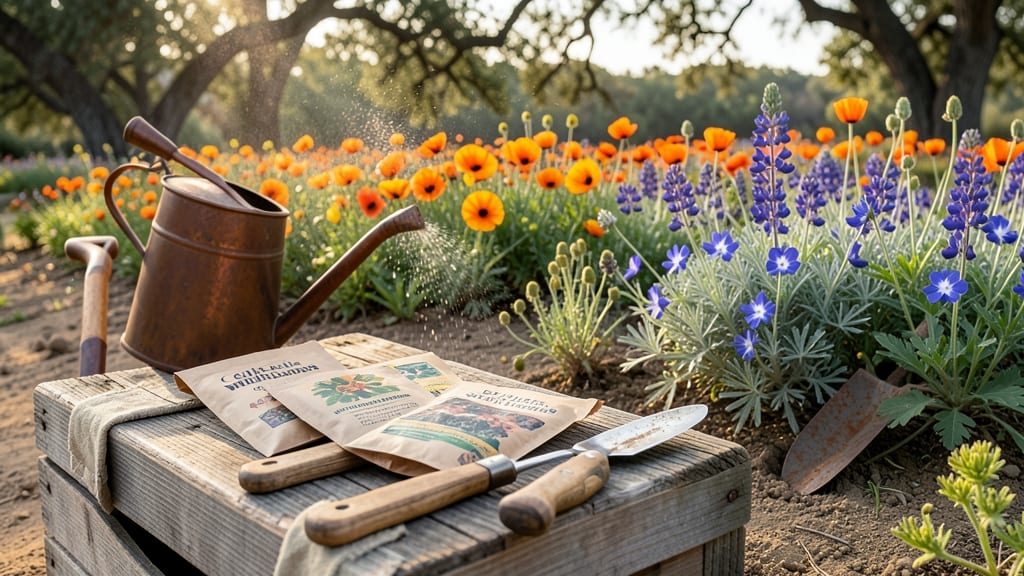
When to plant flowers in California at the right time can mean the difference between a vibrant garden and a sad, wilted mess—especially when coastal fog clashes with desert heat. Whether you're in frost-prone USDA Zone 7 or sunbaked Zone 10, planting too early or late throws off your entire growing season.
I’ve spent years watching 🌱 flowers thrive (and fail) across the state, and the key is knowing your microclimate. Coastal areas like San Francisco can plant annuals in early spring, while inland spots like Sacramento wait until late April to avoid surprise frosts.
Even desert regions like Palm Springs have their own sweet spot—planting too late means wilting before summer’s peak.
This isn’t just about guessing—it’s about matching your flowers to the exact weeks when soil warms, frost risks fade, and rain (or lack of it) works in your favor.
I’ll break down the perfect planting windows for your region, so you can skip the trial-and-error and get blooms that last from spring through fall.
Ready to turn your garden into a year-round showstopper? Let’s dive into the microclimate-specific schedule that’ll have your 🌱 flowers looking like they’re on a Hollywood set—without the guesswork.
California planting zones: exact weeks by microclimate for frost-free flower success
California’s 11 USDA hardiness zones create wildly different planting windows—from coastal fog belts (Zone 9b) to desert heat zones (Zone 11). Getting the timing right means zero frost damage and maximum bloom potential. Let’s break down the optimal planting weeks for your region.
Most California gardeners focus on spring planting (March–May), but fall planting (September–November) works for cool-season flowers like pansies and snapdragons. The key? Plant when soil temps hit 60°F+ for warm-season flowers or 70°F+ for desert varieties. Coastal areas can plant 2–4 weeks earlier than inland zones.
Here’s the microclimate breakdown you need to avoid common mistakes like planting succulents in winter (they’ll rot!) or skipping soil prep in desert zones.
| Region | USDA Zone | Avg. Last Frost | Best Planting Window | Soil Temp Goal |
|---|---|---|---|---|
| Northern CA (Redwood Coast) | 7b–9a | March 1–15 | March 15–April 30 | 55–60°F |
| Bay Area/Sacramento | 9a–10a | January 15–February 15 | February 15–April 15 | 60–65°F |
| Central Valley | 9b–10b | December 15–January 15 | February 1–March 15 | 65–70°F |
| Southern CA (LA/San Diego) | 10a–11a | None (year-round) | September–November or February–March | 70–75°F |
| Desert (Palm Springs) | 11b | None | September–October or February–March | 75–80°F |
For annual flowers, like marigolds or petunias, aim to plant 2–4 weeks before your region’s last frost date. Perennials, such as lavender or roses, thrive when planted in early spring (March–April) or fall (September–October) for established root growth before winter.
If you’re in a high-altitude area (e.g., Mount Shasta), adjust planting dates 2–3 weeks later than coastal zones. Container gardeners can extend seasons by moving pots indoors during heatwaves or cold snaps, but ensure containers have drainage holes to prevent root rot.
Pro tip: Use a soil thermometer to confirm temps before planting. Warm-season flowers (e.g., geraniums) need 65°F+ soil, while cool-season flowers (e.g., calendulas) tolerate 50°F+. In desert zones, plant succulents or cacti in fall to avoid summer’s scorching heat.
Remember: Native California flowers, like California poppies or matilija poppies, are drought-tolerant and thrive with minimal intervention. These low-water plants are perfect for water-wise gardens and urban areas with restricted irrigation.
For urban gardeners, consider vertical gardening or raised beds to control soil temps. Mulch heavily (3–4 inches) to retain moisture and regulate temperature, especially in desert or coastal microclimates where extremes are common.
Now that you’ve got the perfect planting weeks for your zone, let’s dive into the best flowers to plant by month—with
Best flowers to plant by month in California (with microclimate adjustments)
California’s 11 USDA zones mean your San Diego garden thrives on a different schedule than Sacramento’s. Coastal areas like Monterey can plant spring bulbs in January, while Death Valley’s heat demands summer planting.
Let’s break down the best month-by-month flowers for your region, with adjustments for fog, frost, or desert sun.
For Northern California (Zones 7-10), aim for late February to April planting of cool-season flowers like pansies and snapdragons. Southern California (Zones 9-11) can start annuals in October for winter blooms. Perennials like lavender and roses thrive when planted in early spring or fall, avoiding summer’s stress.
🌱 Did You Know? California’s microclimates can shift planting windows by 4-6 weeks. For example, Los Angeles (Zone 10) can plant marigolds in September, while Eureka (Zone 9) waits until May to avoid frost.
- 1 October-November (Coastal/Southern CA): Sweet peas, calendulas, pansies (plant 6-8 weeks before first frost).
- 2 February-March (Northern CA): Tulips, daffodils, lupines (soil temps 50°F+).
- 3 April-May (Statewide): Zinnias, cosmos, sunflowers (after last frost).
- 4 June-July (Desert/Inland): Portulaca, blanket flower (drought-tolerant picks).
- 5 August-September (Coastal): Sweet alyssum, stock (cool-season starters).
For urban gardeners, container-friendly flowers like petunias or geraniums thrive in summer heat if planted in well-draining pots. In high-altitude areas (e.g., Mount Shasta), delay planting until late May to avoid late frosts.
Pro tip: Native California flowers like California poppies and matilija poppies need minimal water once established. Plant them in early spring for summer-long blooms with zero fuss.
Adjust your schedule by 2-4 weeks if you’re in a foggy coastal zone—these areas stay cooler longer. For desert regions, plant succulents and cacti in late spring to avoid scorching heat.