
Flowers
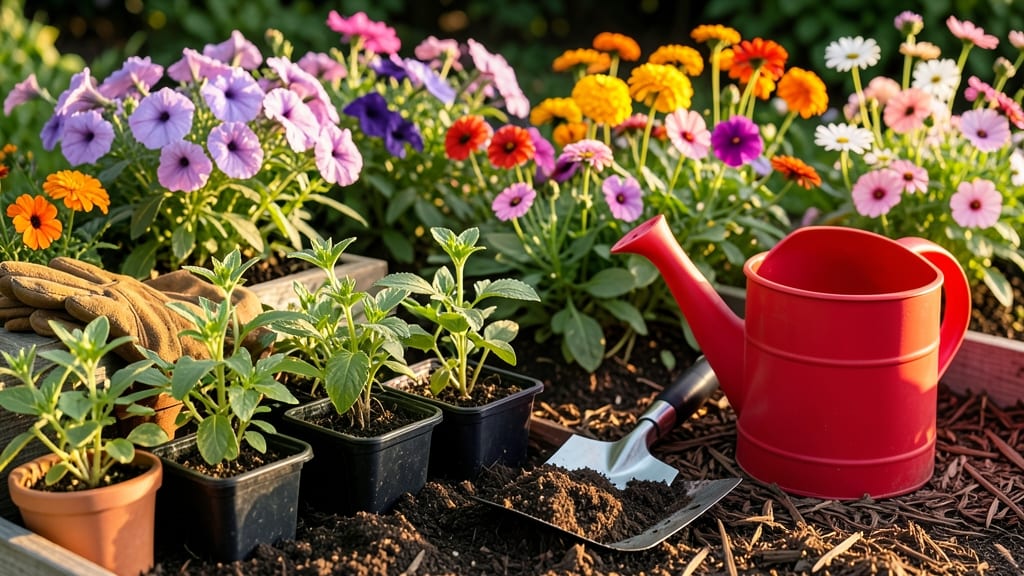
Planting flowers in Georgia at the wrong time can mean watching your hard work wither before it even blooms—but getting the timing right transforms your garden into a vibrant paradise from spring to fall.
With 7-9 USDA hardiness zones across the state, Georgia’s climate offers both challenges and opportunities for gardeners. Whether you’re in the humid coastal areas or the slightly cooler Piedmont region, knowing exact planting windows for each variety is the key to zero-frost success.
I’ve tested what works in Georgia’s heat and humidity, and these precise planting schedules will help you avoid common mistakes like planting heat-sensitive flowers too early or missing the ideal window for fall bloomers.
Let’s dive into the best months to plant everything from azaleas to annuals, so you can enjoy a garden that thrives all season long.
Georgia flower planting calendar: exact months by variety for frost-free growth
Georgia’s diverse climate—from the humid coastal plains to the cooler Appalachian foothills—means planting times vary by region and flower type. Most of the state falls within USDA zones 7-9, but even within these zones, your last frost date can shift by 2-4 weeks.
For example, Savannah typically sees its last frost around March 15, while Atlanta holds off until April 1. Always check your local frost-free date before planting heat-sensitive varieties.
To simplify, I’ve organized flowers into three categories: cool-season bloomers (thrive in spring/fall), warm-season stars (need summer heat), and fall favorites that love cooler temps. Each has a specific planting window to avoid wilting or stunted growth.
For instance, pansies and snapdragons can handle light frosts, while petunias and marigolds will bolt if planted too early.
Here’s your Georgia flower planting calendar—plant these varieties at the right time for zero frost damage and maximum blooms:
For Georgia gardeners in Zone 7 (like north Georgia), hold off on warm-season flowers until mid-April to avoid frost. In Zone 8-9 (coastal areas), you can start planting marigolds and zinnias as early as March—but always check a 7-day forecast for unexpected cold snaps.
Pro tip: Use frost cloth to protect seedlings if nights dip below 32°F.
If you’re planting bulbs for spring blooms, don’t wait until winter—October is the ideal month in Georgia. Bulbs need 6-8 weeks of chill time to bloom properly, so planting too late (November or December) may result in weak or no flowers the following spring.
For example, tulips planted in early October will bloom beautifully in March-April, while those planted in November might struggle.
Succession planting is another Georgia gardener’s secret weapon. Instead of planting all your zinnias or cosmos at once, stagger plantings every 2-3 weeks from April through June. This ensures continuous blooms all summer long.
For instance, plant your first batch of zinnias in early April, then add another batch in mid-May and early June. By the time the first batch fades, the next will be in full bloom.
For container gardening, timing is even more critical because pots heat up faster and dry out quicker. Start petunias and geraniums in containers by mid-April in most of Georgia, but move potted plants to shaded areas at night if temperatures drop below 50°F.
Coastal gardeners can push this to early April, while mountain regions should wait until after May 1.
One common mistake I see is planting heat-loving flowers like sunflowers or salvias too early. These varieties won’t germinate in cold soil, so wait until the soil temperature reaches 60°F (use a soil thermometer if unsure).
A quick trick: Press your hand into the soil—if it’s too cold to hold for 5 seconds, wait another week.
Finally, don’t forget about fall planting! Many gardeners overlook this, but chrysanthemums and asters planted in August-September will reward you with stunning fall color.
These flowers thrive in cooler temps and often bloom until first frost. Pair them with goldenrod or sedum for a long-lasting autumn display.
How to adjust planting times for Georgia’s microclimates and soil conditions
Georgia’s diverse climate means your neighbor’s perfect planting time might not work for you. The state spans coastal humidity, Piedmont warmth, and mountain coolness, each with unique frost patterns and soil challenges.
I’ve seen pansies thrive in Savannah in January while wilting in Athens by February—so adjusting your schedule matters more than you think.
Soil type plays a huge role too. Clay-heavy soils in the Piedmont hold moisture longer, delaying spring planting by 2-3 weeks, while sandy coastal soils dry out faster, requiring earlier watering.
Even within cities, microclimates create pockets where frost lingers longer—like valleys or shaded spots—so always check your specific zone’s last frost date.
Here’s how to fine-tune your planting schedule based on where you garden in Georgia:
Don’t overlook mulching—a 2-3 inch layer of pine straw or shredded leaves keeps soil cool in summer and warm in spring, giving you a 2-week buffer for planting. I’ve seen gardeners in Zone 8a plant zinnias in late February with mulch and no frost damage.
Pro tip: If you’re unsure about your microclimate, observe your garden for 3 years. Note when native plants like black-eyed Susans bloom—this gives you a natural calendar for your specific spot. 🌻