
Flowers
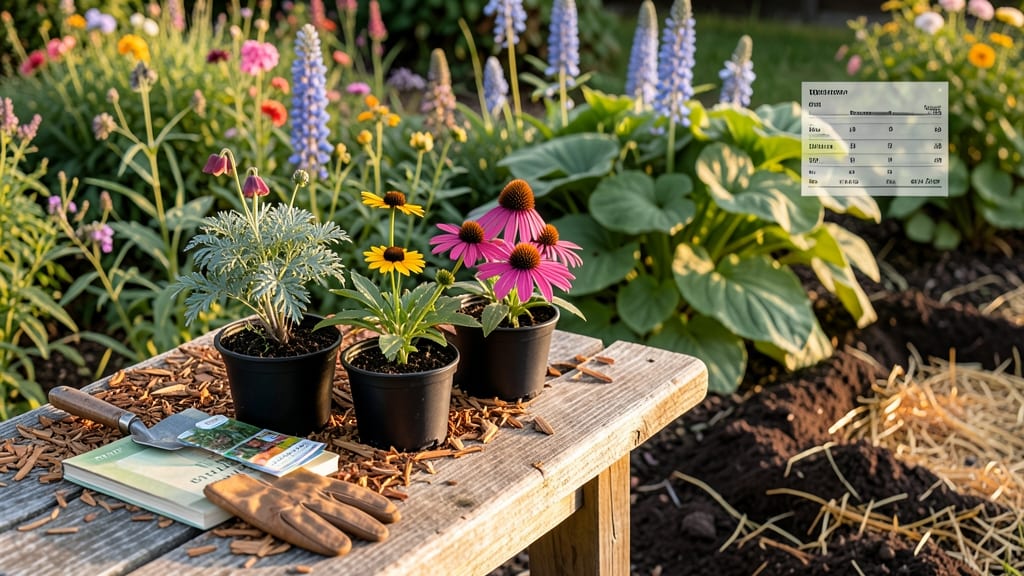
Timing your flower planting in Vermont can make or break your garden's success—get it wrong, and you might end up with wilted blooms before they even take root. With USDA Zones 5b-6a and unpredictable frost dates, knowing when to plant your 🌸 is everything.
The key is planting after the last frost, typically between April 15 and May 15, but fall is also your second chance. Whether you're growing annuals that need a head start or perennials that thrive with early roots, Vermont's short growing season demands precision.
I’ve tested the best planting windows for everything from hardy coneflowers to delicate petunias, and the results speak for themselves. Learn the exact months to plant for maximum blooms, plus soil prep tips to give your flowers the best start in Vermont’s climate.
Ready to transform your garden? Let’s dive into the planting calendar that’ll help you beat the frost and enjoy vibrant flowers all summer long.
Vermont flower planting calendar by month: best times for annuals, perennials, and bulbs
Vermont’s Hardiness Zones 3-4 create unique challenges for gardeners, but with the right timing, you can enjoy vibrant blooms from spring to fall. The key is understanding frost dates and soil temperatures, which vary slightly across regions like Burlington and Rutland.
Most Vermont gardeners experience their last frost between April 15 and May 15, while the first frost typically arrives around October 15.
To maximize your garden’s potential, I’ve broken down the ideal planting windows for annuals, perennials, and bulbs by month. Whether you’re planting cold-hardy pansies in early spring or fall-blooming asters, timing is everything. Let’s dive into the month-by-month schedule that will help your flowers thrive in Vermont’s climate.
| Month | Plant Type | Best Planting Time | Soil Temp (°F) | Notes |
|---|---|---|---|---|
| March | Bulbs (Daffodils, Tulips) | Late March (after ground thaws) | 40-50°F | Plant in well-drained soil; mulch after planting. |
| April | Perennials (Coneflowers, Black-Eyed Susans) | Early to mid-April (after frost risk) | 50-55°F | Hardy perennials tolerate cooler soil. |
| May | Annuals (Marigolds, Petunias) | After last frost (May 15) | 60°F+ | Use row covers for early nights. |
| June | Heat-Loving Annuals (Zinnias, Sunflowers) | Mid-June (soil >65°F) | 65-70°F | Direct sow for best results. |
| August | Fall Bulbs (Crocuses, Alliums) | Late August (6-8 weeks before frost) | 55-60°F | Plant in sunny, well-drained spots. |
| September | Cool-Season Annuals (Pansies, Snapdragons) | Early September (soil 50°F+) | 50-55°F | Mulch to protect from early frosts. |
For annual flowers, the last frost date is your golden rule—wait until after May 15 to plant heat-lovers like geraniums and cosmos. In contrast, cold-hardy annuals such as pansies and snapdragons can handle light frosts and should be planted in late August or early September for fall blooms.
Perennials are more forgiving and can often be planted in early spring (as soon as the ground is workable) or in early fall (6-8 weeks before frost).
This gives them time to establish roots before winter. Coneflowers and black-eyed Susans, for example, thrive when planted in April or September and reward you with long-lasting blooms from summer through fall.
Don’t overlook bulbs, which are a Vermont gardener’s secret weapon. Spring-blooming bulbs like daffodils and tulips should be planted in late September or October for early spring color. For summer-blooming bulbs such as dahlias, plant in late May or early June after the soil has warmed.
If you’re new to Vermont gardening, remember that microclimates play a role. Areas near lakes or rivers
How Vermont’s Hardiness Zones 3-4 affect flower planting success
Vermont’s USDA Hardiness Zones 3-4 create unique challenges for gardeners, especially when planting flowers. The last frost date typically falls between April 15 and May 15, but this can vary by microclimates—like sheltered valleys versus exposed hilltops.
In Burlington (Zone 5b), you might plant 2 weeks earlier than in Rutland (Zone 4a), where frost lingers longer.
Understanding these zones helps you avoid late spring frosts that can kill tender seedlings. For example, petunias and marigolds (warm-season annuals) need soil temperatures above 50°F—waiting until late May in colder areas ensures they thrive.
Meanwhile, cold-hardy perennials like coneflowers can handle early spring planting as soon as the ground thaws.
Don’t overlook fall planting, either. Vermont’s first frost usually hits October 15, so planting bulbs like tulips in September gives them time to establish roots before winter. This strategy works for hardy annuals too—think pansies and snapdragons, which bloom beautifully in cooler weather.
Even in Zone 5b, late May frosts can still occur. Use frost cloth for delicate seedlings or opt for cold-tolerant varieties like black-eyed Susans or coreopsis to minimize risk.
For fall planting, aim to finish by September 1 in Zone 4a to avoid winter kill.
Microclimates play a huge role. A south-facing slope warms up faster than a north-facing yard, so adjust your planting timeline accordingly. For instance, you might plant geraniums in early May on a sunny wall but wait until mid-May in a shady corner.
Always check local frost records—your neighbor’s garden might not match your own!
Another key factor is soil temperature. Use a soil thermometer to confirm it’s at least 50°F before planting warm-season flowers. Cold soil slows germination and weakens seedlings. In Zone 4a, this often means waiting until late May or early June for heat-loving annuals like zinnias or sunflowers.
Finally, fall-planted flowers benefit from Vermont’s cool nights. Many varieties, such as chrysanthemums and asters, actually prefer cooler weather and bloom better when planted in late summer. Just ensure they’re in the ground 6-8 weeks before frost to avoid winter damage.
By aligning your planting with Vermont’s zones, you’ll maximize blooms and minimize losses—no more wilted dreams! Start with cold-hardy perennials in spring, then layer in annuals and bulbs as the season progresses.