
Trees
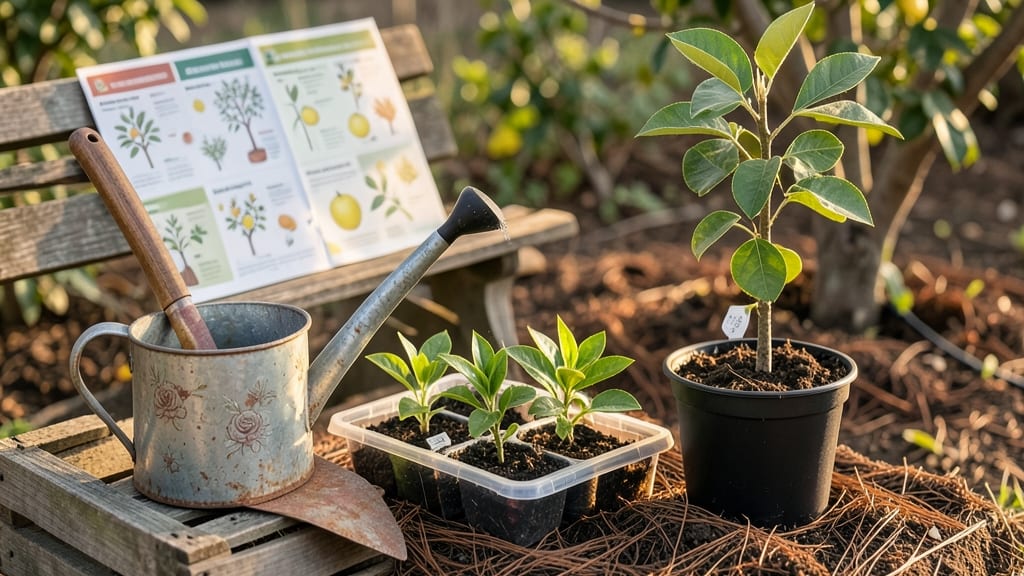
Planting fruit trees 🍎 in South Africa at the wrong time can mean the difference between a thriving orchard and years of disappointment. The key isn’t just picking a season—it’s understanding how your local climate zone dictates the perfect window for maximum growth and fruit yields.
From the Mediterranean winters of Cape Town to the subtropical heat of Durban, each region has its own rules. Whether you’re planting citrus in zone 9b or avocados in 10a, timing matters more than you might think—especially when frost risk looms in the cooler months.
I’ll break down exactly when to plant in your area, which fruit trees thrive where, and how to prepare your soil for success. Whether you’re a first-time gardener or a seasoned grower, these insights will help you avoid common mistakes and set your trees up for a bountiful harvest.
Ready to turn your backyard into a productive orchard? Let’s dive into the climate-smart planting schedule that works for South Africa’s diverse growing conditions.
South Africa’s fruit tree planting calendar by climate zone
South Africa’s diverse climates mean your planting window depends heavily on where you live. The country spans summer-rainfall zones (e.g., Gauteng, Mpumalanga), winter-rainfall zones (e.g., Cape Town, Western Cape), and subtropical regions (e.g., KwaZulu-Natal, Limpopo).
Each zone has unique frost risks and rainfall patterns that dictate the best time to plant.
For summer-rainfall areas, aim to plant in late winter to early spring (August–September) when soils warm up after winter dormancy.
In winter-rainfall zones, plant in early autumn (March–April) to give roots time to establish before winter rains. Subtropical regions offer year-round planting, but early spring (September–October) is ideal to avoid summer heat stress.
Frost is the biggest threat—especially in high-altitude areas like the Free State or Drakensberg. Even in frost-free zones, soil temperature (not air temperature) determines readiness. Use a soil thermometer to check for 15°C+ before planting bare-root trees.
Citrus and subtropical fruit trees (like mangoes and avocados) thrive in frost-free zones and can be planted almost year-round, though spring planting yields best results.
Stone fruits (peaches, plums) and pome fruits (apples, pears) need cooler climates and should be planted in winter or early spring to avoid summer heat stress.
🌱 South Africa’s Fruit Tree Planting Guide by Climate Zone
| Zone Type | Best Planting Months | Frost Risk | Ideal Fruit Trees | Soil Prep Tip |
|---|---|---|---|---|
| Summer-Rainfall (Gauteng, Mpumalanga) | August–September | Moderate (May–July) | Peaches, Plums, Apricots | Add compost for winter moisture |
| Winter-Rainfall (Cape Town, Western Cape) | March–April | Low (June–August) | Citrus, Olives, Figs | Use well-draining soil |
| Subtropical (KZN, Limpopo) | September–October | None (coastal) / Light (inland) | Mangoes, Avocados, Guavas | Mulch to retain humidity |
| High-Altitude (Free State, Drakensberg) | June–July (bare-root) | High (May–September) | Apples, Pears, Cherries | Plant in frost pockets |
💡 Pro Tip: Container-grown trees can be planted year-round in frost-free zones—just avoid extreme heat (Dec–Feb).
If you’re in a transition zone (like parts of the Eastern Cape), opt for frost-hardy varieties like loquats or quince, which tolerate light frosts. Always check your local agricultural extension office for precise frost dates—they vary yearly.
For example, Cape Town’s last frost is typically around July 15, while Durban rarely sees frost at all.
Container growing changes the rules entirely. Urban gardeners in Cape Town or Johannesburg can plant dwarf citrus or peach trees in pots from September onward, moving them indoors during winter if needed. Just ensure containers have drainage holes and use well-draining potting mix to prevent root rot.
For bare-root trees, plant as soon as you receive them—these are dormant and can’t handle heat. Soak roots in water mixed with rooting hormone for 1–2 hours before planting. Container-grown trees, however, can wait until spring (September–October) when roots are actively growing.
One common mistake? Planting too deep. The graft union (where the rootstock meets the scion) should sit just above soil level. Burying it too deep can cause girdling and stunt growth. Use a stake to mark the union until the tree establishes.
After planting, mulch heavily (5–7 cm of organic mulch) to retain moisture and regulate soil temperature. Water deeply once a week for the first month, then taper off as rainfall increases. Avoid overhead watering—drip irrigation is ideal to prevent fungal diseases like brown rot in stone fruits.
🌿 Remember: The key to success is matching the tree to your microclimate. A peach tree in Durban? It’ll struggle. A mango tree in the Free State? Frost will kill it. Always choose locally adapted varieties for the best chance of success.
Critical factors that determine your planting window
South Africa’s diverse climates mean soil temperature is often more important than calendar months. In Cape Town (zone 9b), for example, you can’t plant citrus bare-root until soil warms above 15°C (59°F), even if it’s "spring" on paper.
Use a soil thermometer to check—root growth stalls in cold soil, delaying establishment by months.
Frost dates are another game-changer. In Durban (zone 10a), light frosts may never occur, while Pretoria (zone 7a) sees frosts until September 15. Stone fruits like peaches need 300+ chill hours, so planting too late in warmer zones risks poor flowering.
Check your local agricultural research station for precise frost-free dates.
Rainfall patterns also dictate timing. In summer-rainfall areas (e.g., Limpopo), planting in February-March aligns with natural moisture, while winter-rainfall zones (e.g., Western Cape) demand May-June planting to avoid summer drought stress. My rule? Plant when your region’s rainfall peaks—this reduces irrigation needs by 40%.
🌱 Key Takeaway: The 3 Non-Negotiables for Timing
- Soil temp: ≥15°C (59°F) for root growth
- Frost risk: Avoid planting 4-6 weeks before last frost
- Rainfall: Align with your region’s wet season
Pro Tip: Container-grown trees can be planted 2 weeks earlier than bare-root—their roots establish faster in warm soil.
Urban gardeners face extra challenges. Potted fruit trees in Johannesburg’s high-altitude zone 8a need protected microclimates—plant near north-facing walls to delay frost exposure by 2-3 weeks. I’ve seen lemon trees thrive in containers when moved to sheltered patios during winter, extending their planting window by 60 days.
Don’t overlook tree maturity. Young trees planted in summer (Dec-Feb) struggle with heat stress, while established trees handle it better. If you’re adding a 5-year-old avocado, summer planting is viable—but bare-root saplings? Never plant them in peak heat.
Finally, pollination partners matter. Planting a peach tree in June ensures it blooms before winter rains wash away pollen, but planting a single apple tree without a pollinator? You’ll get no fruit. Always check variety requirements—some need cross-pollination within 50 meters.