
Plants
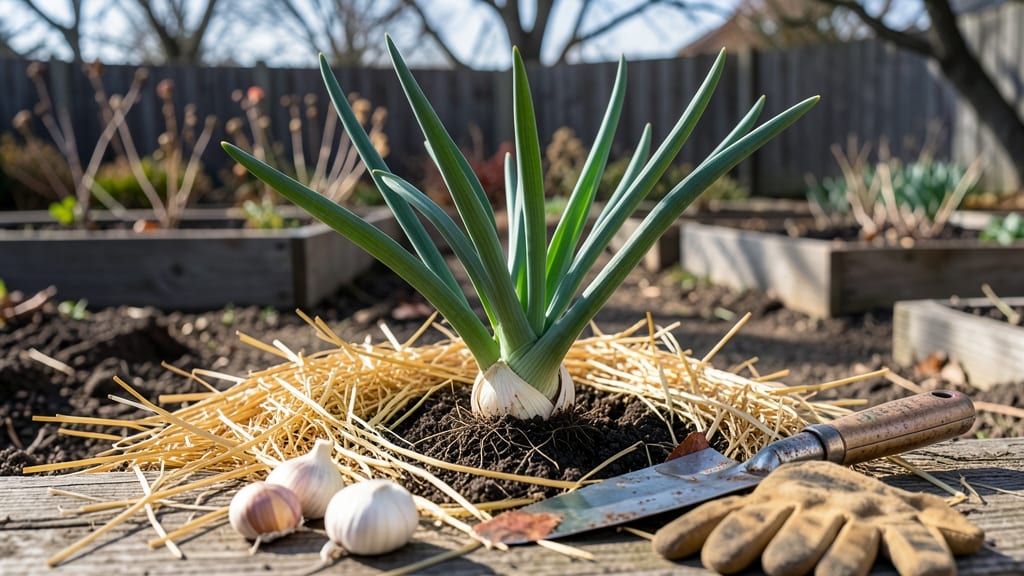
Planting garlic in New Jersey at the wrong time can mean the difference between a bumper crop of bold, flavorful bulbs and a disappointing harvest.
Unlike spring-planted crops, garlic thrives when you tuck it into the soil during fall’s crisp air, giving it time to establish roots before winter’s chill sets in.
For gardeners in zones 6a-7b, timing is everything—aim for October or early November, when soil temps hover around 40-50°F. This window ensures your 🧄 cloves have 6-8 weeks to root before the ground freezes, setting the stage for next summer’s harvest.
Miss it, and you risk weak growth or even no bulbs at all.
But here’s the secret: New Jersey’s microclimates—from coastal breezes to inland cold snaps—mean your neighbors might be planting a month earlier or later than you. I’ll break down exactly how to adjust for your specific corner of the state, so you’re planting with confidence, not guesswork.
Ready to grow garlic that’s bigger, stronger, and more flavorful than anything you’ve ever bought? Let’s dive into the exact timing, soil prep, and regional tweaks that’ll make your harvest the envy of the garden club.
Best fall planting dates for garlic in New Jersey’s climate zones
New Jersey’s USDA hardiness zones 6a-7b create a unique growing window for garlic, where fall planting is critical for strong winter survival and summer harvests. Unlike spring plantings (which rarely work in NJ), fall garlic benefits from cold stratification, a natural process that hardens cloves before winter.
But timing matters—plant too early, and cloves may sprout prematurely; too late, and they won’t establish roots before frost.
The ideal planting window spans from mid-October to early November, but this shifts slightly depending on your NJ microclimate. Coastal areas like Cape May freeze later than inland zones like Sussex County, so adjust accordingly.
For hardneck varieties (like ‘Music’ or ‘German White’), aim for 6-8 weeks before the first hard frost—this ensures roots form but shoots stay dormant until spring.
Soil temperature is your best guide: plant when soil cools to 40-50°F (about 4-6 weeks before ground freeze). Use a soil thermometer to check—if temps drop below 32°F, roots may freeze before anchoring. In zone 6a (northern NJ), this usually means late October; in zone 7b (south), early November works best.
Softneck varieties (like ‘Silverskin’ or ‘Artichoke’) tolerate slightly warmer soils and can be planted 1-2 weeks later than hardnecks, but they still need time to root before winter. If you miss the fall window, spring planting is possible but yields are smaller—cloves won’t have the chilling period needed for full bulb development.
Microclimates play a huge role in NJ. Coastal gardens (e.g., Atlantic City) may have 1-2 extra weeks of planting time due to milder winters, while inland valleys (e.g., Hunterdon County) freeze earlier.
Observe nearby gardens or check your local cooperative extension service for frost date updates—these can vary by 10 days or more across the state.
| Zone | First Frost Date | Ideal Planting Window | Soil Temp for Planting | Best Varieties |
|---|---|---|---|---|
| 6a (North NJ) | Mid-October | Late October | 40-50°F | Hardneck (Music, German White) |
| 6b (Central NJ) | Late October | Early November | 40-50°F | Hardneck or Softneck |
| 7a/7b (South NJ) | Early November | Mid-November | 45-55°F | Softneck (Silverskin, Artichoke) |
Adjust 1-2 weeks earlier for inland areas, later for coastal zones.
If you’re planting in December, act fast—cloves need 4-6 weeks to root before winter sets in. Choose smaller cloves (they establish faster) and use extra mulch (4-6 inches of straw) to insulate soil.
For January plantings, success depends on mild winters; only attempt this if you’ve had consistent above-freezing temps recently.
Pro tip: Test your soil’s cold tolerance by burying a thermometer in your garden bed. If temps drop below 32°F for more than 24 hours, roots may suffer. In zone 6a, this often happens by early November, so don’t wait too long.
For zone 7b, you might squeeze in a December planting if winter arrives late.
Remember, garlic is a biennial in NJ—it grows leaves the first year and forms bulbs the second. The fall planting you do now sets the stage for your July-August harvest next summer. Get the timing right, and you’ll enjoy homegrown garlic that’s 3x larger than store-bought bulbs!
🌱
How to time your garlic planting for maximum bulb size in NJ
Timing your garlic planting isn’t just about picking a month—it’s about giving your cloves the perfect window to establish roots before winter. In New Jersey, where soil temperatures can shift rapidly, 6-8 weeks before the first hard frost is ideal.
This means if your frost date is November 15th, aim to plant by early October.
But here’s the trick: Soil temperature matters more than air temperature. Use a soil thermometer to check for 40-50°F readings—this is your green light. If your soil is still warm, delay planting; cold soil speeds up root growth, which is exactly what you want before winter dormancy sets in.
For maximum bulb size, focus on these three critical factors: soil prep, clove selection, and proper spacing. Well-draining soil rich in organic matter ensures your garlic won’t rot over winter, while larger, firm cloves (from heirloom varieties) produce bigger bulbs.
Space them 4-6 inches apart in rows 12 inches apart to prevent competition.
🌱 Pro Tip: If you’re in coastal NJ (Zone 7a), you might plant a week later than inland areas. Coastal soils stay warmer longer, so adjust your timeline accordingly.
- ✅ Test soil pH (aim for 6.0-7.0); amend with lime if needed.
- ✅ Break bulbs into individual cloves, keeping the paper intact.
- ✅ Soak cloves in water for 1 hour to boost root growth.
- ✅ Plant pointy-end up, 4-6 inches deep, in well-draining soil.
- ✅ Mulch heavily with 4-6 inches of straw to insulate roots.
After planting, avoid fertilizing until spring—garlic needs to focus on root growth, not foliage. Instead, prioritize watering deeply every 10-14 days (unless it rains) to encourage strong bulb development.
Once winter arrives, your garlic will enter dormancy, but those roots you’ve nurtured will be ready to explode with growth in spring.
By mastering these timing tweaks, you’ll harvest larger, more flavorful bulbs than ever before. And if you’re in Zone 6a (like northern NJ), don’t stress—just plant 2 weeks earlier than Zone 7a gardeners to account for colder soils.
💧 Key Reminder: The earlier you plant (within the 6-8 week window), the bigger your bulbs will grow. But don’t rush—cold soil is your friend!