
Plants
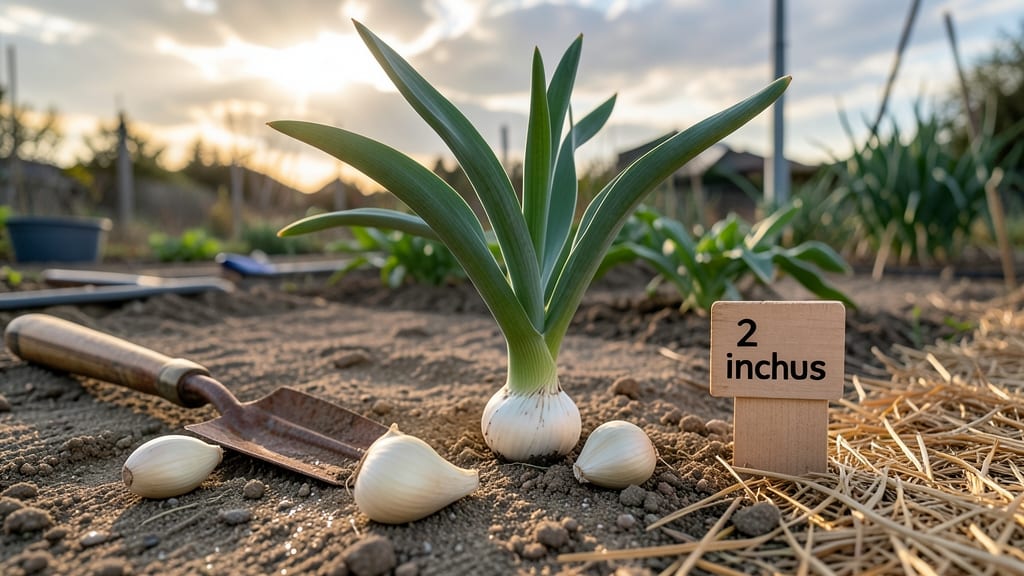
Planting garlic in Phoenix isn’t just about timing—it’s about beating the desert’s tricks. Unlike colder climates, you’ve got a 6-week window to get it right, or your 🧄 crop could bolt or rot before harvest.
The secret? Starting in late October, when soil cools just enough to encourage roots without inviting winter’s rare chill.
Most gardeners in Zone 9b assume garlic is low-maintenance, but Phoenix’s alkaline soil and scorching summers demand extra care. I’ve learned the hard way that planting too early means your cloves will sprout in the heat, while waiting too long risks weak bulbs.
Here’s how to nail the perfect schedule—and why a little mulch can save your harvest.
You’ll discover exactly when to plant for maximum yield, how to prep your soil for Phoenix’s unique conditions, and the 3 critical signs your garlic is thriving (or about to fail).
Whether you’re a first-timer or a seasoned grower, these insights will help you avoid common mistakes that waste time and effort.
Let’s dive into the step-by-step plan that’s worked for me—and hundreds of other Phoenix gardeners—to grow plump, flavorful garlic year after year. Ready to transform your fall planting into a spring harvest victory?
Phoenix’s ideal garlic planting timeline: month-by-month breakdown
Phoenix’s mild winters and frost-free climate make it ideal for garlic—but timing is critical. Unlike northern climates, we don’t rely on frost to trigger dormancy. Instead, soil temperatures between 50°F and 60°F (10°C–15°C) signal garlic to establish roots before winter.
Plant too early, and your cloves will bolt prematurely; too late, and growth slows before harvest season.
The 6-week window from late October to mid-November aligns perfectly with Phoenix’s cooling trend. This period ensures garlic gets 6–8 weeks of root growth before winter slows metabolism, while avoiding the summer heat that stresses young plants.
Evenings in November often dip into the 50s°F, creating ideal conditions for germination.
Here’s why this window works: Garlic planted in October has time to develop a strong root system before winter rains (if any) arrive. By mid-November, soil temperatures stabilize, reducing the risk of rot or uneven sprouting.
Planting after this window risks stunted bulbs or delayed harvests, as growth accelerates in February’s warmth.
🌱
| Month | Soil Temp (°F) | Planting Goal | Harvest Window | Risk Level |
|---|---|---|---|---|
| Late October | 55–65°F | Root establishment | April–May | Low (ideal) |
| Mid-November | 50–60°F | Slow, steady growth | April–May | Low (ideal) |
| Early December | 45–55°F | Minimal growth; high dormancy | Late May | Medium (smaller bulbs) |
| January | 40–50°F | Very slow; poor yield | June (delayed) | High (risky) |
| September | 85–95°F | Bolting likely | None (failed) | Critical (avoid) |
Phoenix’s microclimates add another layer of complexity. Valley areas like Tempe and Mesa can plant 1–2 weeks earlier than higher elevations like Fountain Hills, where cooler nights extend the ideal window.
Use a soil thermometer ($10 at garden centers) to confirm temps—60°F or below is your target before planting.
Pro tip: Hardneck varieties (like ‘Music’ or ‘German White’) thrive in Phoenix’s climate, while softneck types (e.g., ‘Silverskin’) tolerate heat better but yield smaller bulbs. Choose organic cloves from local nurseries (like Desert Botanical Garden’s plant sale) for higher success rates—store-bought garlic often sprouts poorly.
After planting, mulch heavily with straw or wood chips to insulate roots from temperature swings. In December, reduce watering to every 2–3 weeks—garlic needs dormancy to develop flavorful bulbs. By February, increase water slightly to encourage spring growth, but avoid overwatering, which causes rot.
💧
Harvest timing varies by variety but peaks in April–May. Look for brown lower leaves and firm bulbs—if left too long, garlic splits open or attracts pests. Cure harvested bulbs in a shady, dry spot for 2–3 weeks before braiding or storing.
With the right timing, your Phoenix-grown garlic will outshine grocery-store varieties in both flavor and size!
Phoenix’s ideal garlic planting timeline: month-by-month breakdown
Phoenix’s Zone 9b climate means no frost to worry about, but soil temperature and daylight hours still dictate the perfect 6-week planting window. Aim for late October through mid-November—this aligns garlic’s growth cycle with Phoenix’s cooler, shorter days, preventing premature bolting.
Soil temps should hover between 50–60°F at planting depth for optimal root establishment.
Garlic thrives on consistent moisture during its early stages, so schedule planting before November rains taper off. If you miss this window, you can push to early December, but yields may shrink due to reduced daylight. Hardneck varieties (like Silverskin) handle Phoenix’s mild winters better than softnecks.
| Month | Soil Temp (°F) | Daylight Hours | Planting Window | Harvest Ready |
|---|---|---|---|---|
| Late October | 55–60°F | 10–11 hours | ✅ Ideal start | April–May |
| Mid-November | 50–55°F | 10 hours | ✅ Last chance | May–June |
| Early December | 45–50°F | 9.5 hours | ⚠️ Risky | June (smaller bulbs) |
*Harvest times vary by variety and microclimate (e.g., higher elevations like Carefree may harvest 1–2 weeks earlier).
Phoenix’s microclimates play a huge role—Valley areas (like Tempe) can plant slightly later due to urban heat retention, while higher elevations (e.g., Scottsdale’s McDowell Sonoran Preserve) may need to plant 1–2 weeks earlier to avoid winter chills.
Always test soil moisture: garlic roots need 1–1.5 inches of water weekly during growth.
Pro tip: Use a soil thermometer to confirm temps—garlic cloves won’t sprout reliably below 45°F. If your soil runs hotter (common in paved urban gardens), plant in shaded beds or use black plastic mulch to moderate temps.
Mulch also suppresses weeds and retains moisture, critical in Phoenix’s dry winters.
Once planted, garlic enters a dormant phase over winter, resuming growth in February as daylight increases. This natural cycle ensures bulbs mature just as Phoenix’s spring rains begin—ideal for flavor development. Avoid fertilizing until early March to prevent excessive leafy growth at harvest time.
For maximum yields, pair garlic with companion plants like lettuce or onions—they share similar care needs and deter pests. Just avoid planting near beans or peas, which compete for nutrients. With the right timing, your Phoenix garlic could double in size compared to store-bought cloves!