
Plants
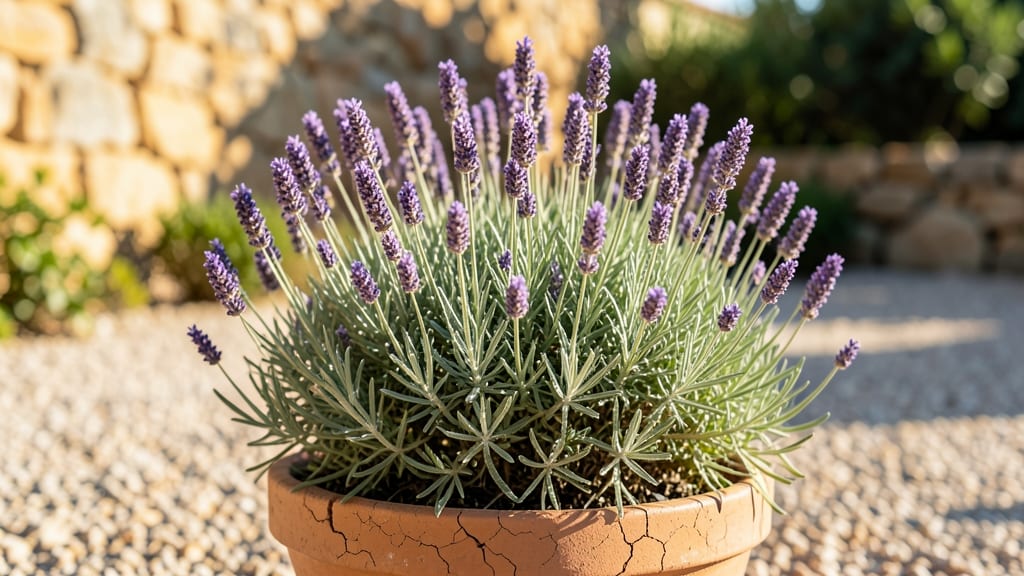
If you’re wondering how much light does a lavender plant need, the answer is simple: it’s a sun-hungry plant that demands 6 to 8+ hours of direct light daily to thrive and stay fragrant.
That sad, leggy weed you’re growing is probably just begging for more sunshine—and that’s the real game-changer for those thriving blooms. Lavender isn’t just another pretty herb; it’s a sun-worshipper that demands bright, consistent light to stay healthy and fragrant.
But here’s the catch: too much scorching afternoon sun in hot climates can actually harm it. The key is finding that sweet spot where your 🌿 lavender gets plenty of light without turning crispy.
Whether you’re in a Mediterranean paradise or a cooler USDA Zone 6a, I’ll show you how to nail the perfect balance—no guesswork required.
You don’t need a greenhouse to make this work. From south-facing windows to clever container hacks, I’ll walk you through practical solutions for every garden setup. Plus, I’ll help you spot the warning signs—like pale leaves or stretched-out stems—so you can fix light issues before they ruin your plant.
Ready to transform that struggling lavender into a blooming beauty? Let’s dive into the sunlight secrets that’ll have your plant smelling like a Provence field in no time.

Lavender’s ideal sunlight requirements: hours, intensity, and seasonal adjustments
Lavender thrives in full sun exposure, but not all sunlight is equal. Native to Mediterranean climates, this fragrant herb demands 6 to 8+ hours of direct sunlight daily to produce those iconic purple blooms.
Without enough light, your lavender will stretch toward the sun, producing weak stems and sparse flowers. Let’s break down the exact sunlight needs and how to adapt for different climates.
In temperate zones (like USDA Zones 5-9), lavender still craves full sun but may need afternoon shade during peak summer heat (above 90°F/32°C). If you’re in a cooler region, south-facing gardens or raised beds are ideal.
For Mediterranean climates, lavender loves intense sunlight year-round—just ensure well-draining soil to prevent root stress.
Direct sunlight is non-negotiable for lavender. Partial shade (less than 6 hours of sun) will result in leggy growth and fewer blooms. If your garden only offers morning sun, consider reflective surfaces (like white gravel or mirrors) to bounce extra light onto your plants. Even 6 hours of morning sun + 2 hours of afternoon sun can work, but full sun remains the gold standard.
| Condition | Specification | Notes |
|---|---|---|
| Minimum Sunlight | 6 hours/day | Leads to weak growth; fewer blooms |
| Optimal Sunlight | 8+ hours/day | Maximizes fragrance and flower production |
| Afternoon Shade (Hot Climates) | 2–4 hours | Prevents sunburn in zones above 90°F |
| Partial Shade (Cool Climates) | 4–6 hours/day | Use reflective surfaces to supplement light |
| Seasonal Adjustments | Winter: 5+ hours | Lower sun angle; prioritize south exposure |
Seasonal shifts matter too. In winter months, lavender can tolerate slightly less sunlight (as low as 5 hours/day) because days are shorter. However, south-facing windows or greenhouse setups help maintain light levels indoors.
If you’re growing lavender in containers, rotate pots weekly to ensure even sunlight exposure on all sides.
For urban gardeners or those with limited space, vertical gardening works wonders. Mount lavender on trellises or walls facing south to capture reflected light. Even balconies with 6+ hours of direct sun can support thriving lavender—just avoid north-facing spots unless you supplement with grow lights during winter.
One common mistake? Assuming bright indirect light (like near a west-facing window) is enough. Lavender needs direct rays to photosynthesize properly. Test your garden’s sunlight with a sunlight tracker app or observe shadows cast at solar noon.
If your lavender’s leaves turn pale or stems elongate, it’s time to relocate it to a sunnier spot.
Pro tip: Mulch around lavender plants with gravel or sand to improve soil drainage and reflect extra light onto the base. This mimics its natural Mediterranean habitat and helps roots stay cool in intense heat.
Pair this with morning watering to reduce evaporation, and your lavender will reward you with vibrant blooms all season.
Remember, lavender is drought-tolerant but not heat-tolerant—balance is key. If your climate hits 100°F+, provide afternoon shade to prevent leaf scorch. With the right sunlight strategy, your lavender will flourish, filling your garden with fragrance and color for years.
🌿
Lavender’s ideal sunlight requirements: hours, intensity, and seasonal adjustments
Lavender isn’t just a pretty herb—it’s a sun-worshipping powerhouse that demands 6 to 8+ hours of direct sunlight daily to reach its full potential. Without enough light, your plant will stretch, weaken, and lose that signature fragrance.
Think of lavender like a Mediterranean native: it thrives under the bright, intense sun of its homeland, not the dappled shade of a forest.
In full sun conditions, lavender produces vibrant purple blooms and stays compact, but too much scorching afternoon sun—especially in hot climates—can cause leaf burn. The trick is balancing intensity and duration.
Morning sun paired with afternoon shade works well in USDA Zone 6a or hotter regions, while cooler climates can handle full sun all day.
🌱 Pro Tip: If you’re in a cooler climate, aim for 8+ hours of sun to compensate for weaker sunlight. In hotter areas, provide morning sun and afternoon shade to protect delicate foliage.
| Condition | Requirement | Notes |
|---|---|---|
| Daily Sunlight | 6–8+ hours | Full sun for best blooms; 6 hours minimum to survive |
| Intensity | Bright, direct | Avoid deep shade; partial shade reduces fragrance |
| Seasonal Adjustments | Morning sun + afternoon shade in summer | Prevents leaf scorch in hot climates |
| Cooler Climates | 8+ hours | Compensate for weaker sunlight |
Seasonal shifts matter too. In spring and fall, lavender can handle full sun all day as temperatures are milder. But during summer’s peak heat, especially in Zone 7+, provide afternoon shade to prevent heat stress.
A simple white-washed trellis or lattice screen can filter harsh rays while keeping light levels high.
For container-grown lavender, place pots on south- or west-facing decks or use reflective surfaces like light-colored walls to bounce extra sunlight onto the plant. Even a mirror or aluminum foil strip behind the pot can boost light exposure by up to 30%. 🪴
If you’re in a low-light situation (like an east-facing window or urban courtyard), consider supplemental grow lights. A 12-inch LED grow bulb placed 6–12 inches above the plant for 12–14 hours daily can mimic natural sunlight—just avoid keeping it on 24/7, as lavender needs rest too.