
Plants
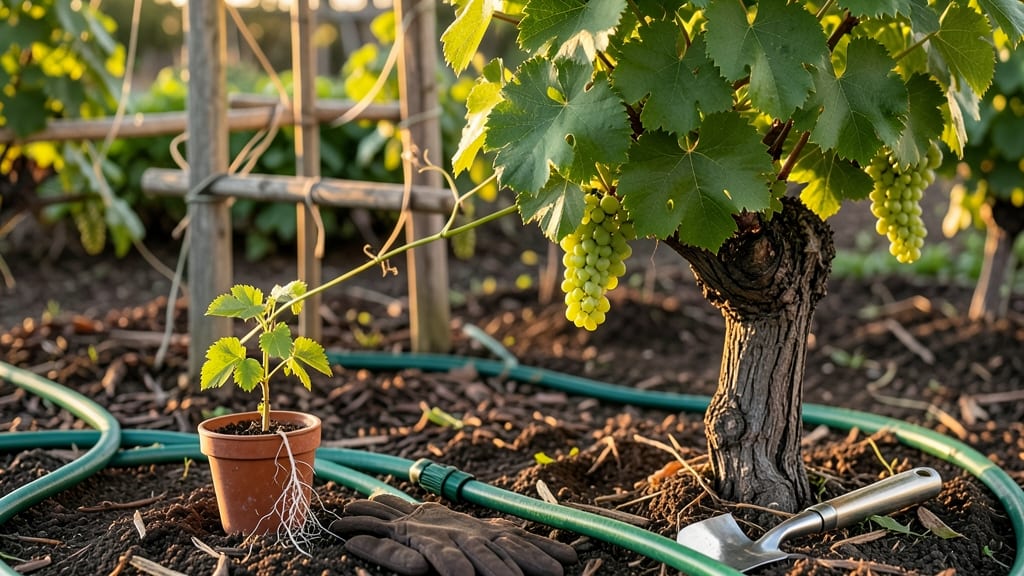
Planting grapes in Arizona isn’t just about picking a random month—it’s about outsmarting the desert’s brutal heat and unpredictable monsoons to give your 🍇 vines the best shot at survival.
If you’ve ever watched a young vine wilt under the sun or struggle to take root in scorching soil, you know timing is everything.
The ideal window for planting grapes in AZ runs from November through February, when temperatures dip just enough to reduce transplant shock. This isn’t just a suggestion—it’s the difference between a thriving vineyard and a withered failure.
I’ll break down exactly why these months work, plus how to prep your soil and irrigation to beat the heat before it even hits.
You might assume container growing or late-spring planting could work, but Arizona’s climate throws curveballs—like sudden heat spikes or flash floods—that can derail even the hardiest varieties.
Let’s dive into the strategies that actually work, from heat-resistant grape types to moisture management hacks that keep your vines hydrated without drowning them.
Whether you’re a first-time grower or a seasoned gardener, these insights will help you plant grapes with confidence—so you can enjoy a bountiful harvest from May through September instead of fighting for survival. Ready to get started?
Arizona’s best grape planting months by heat Zone (with exact dates)
Arizona’s 12-13 heat zones create a complex puzzle for grape growers. Unlike temperate climates, AZ’s USDA Zone 9b demands precise timing to avoid transplant shock from extreme heat or monsoon flooding.
The ideal planting window spans November through February, when soil temperatures hover between 50°F and 65°F—perfect for root establishment before summer’s brutal 110°F+ spikes.
Most Arizona gardeners focus on late November to January as the sweet spot, but high-desert areas (like Flagstaff) can extend planting into early March due to cooler nights. Lowland zones (Phoenix, Tucson) must plant by mid-February to avoid April heatwaves that cripple young vines.
Understanding your microclimate—whether you’re in the Sonoran Desert or Mogollon Rim foothills—will dictate your exact calendar.
Here’s the non-negotiable rule: Never plant grapes in Arizona during summer or early fall. The 100°F+ soil in June-August will cook the roots within days, while monsoon rains in July-September can drown tender new plants. Even bare-root stock or container-grown vines need this cool-season window to thrive.
For container growing (ideal for urban AZ gardeners), the same rules apply—but you’ll need heat-tolerant varieties and drip irrigation to simulate Arizona’s well-draining soils. Containers let you move vines to shade during heat spikes, giving you flexibility in Phoenix or Tucson’s urban heat islands where microclimates vary by block.
Soil preparation starts 8-12 weeks before planting. Test your soil’s pH (5.5-7.0) and amend with compost and gypsum if needed. Arizona’s calcareous soils often lack organic matter, so double-digging or raised beds can make the difference between thriving vines and stunted growth.
| Heat Zone | Best Planting Window | Soil Temp Threshold | Key Consideration |
|---|---|---|---|
| Lowland (Phoenix, Tucson) | November 15 – February 15 | 50°F–65°F | Avoid April heatwaves; use shade cloth |
| High Desert (Flagstaff, Prescott) | October 30 – March 10 | 45°F–60°F | Cooler nights extend window; watch for spring frosts |
| Urban Heat Islands (Scottsdale, Mesa) | November 1 – January 31 | 55°F–68°F | Container growing recommended; drip irrigation essential |
| Elevation 4,000–6,000 ft | October 15 – February 28 | 40°F–55°F | Spring frosts possible; hardy varieties preferred |
If you’re planting bare-root vines (the most common method in AZ), soak the roots for 2–4 hours before planting to prevent desiccation. For container-grown grapes, transplant on a cloudy day or in the late afternoon to reduce transplant shock.
Arizona’s low humidity means vines dry out faster—mulch heavily with straw or wood chips to retain moisture and regulate soil temperature.
Pro tip: Use a soil thermometer to confirm 50°F+ soil temps before planting. In lowland AZ, wait until December if November soils run cool.
High-desert areas can plant as early as late October, but watch for unpredictable frost—even in Zone 9b, 28°F nights can occur in December or March.
For container growers, choose 5-gallon pots minimum and use a fast-draining mix (50% cactus soil, 30% perlite, 20% compost). Place pots on elevated stands to improve drainage and add 1–2 inches of gravel at the bottom.
This setup mimics Arizona’s natural well-draining soils and prevents root rot from monsoon downpours.
Remember: Patience is key. Grapes planted in Arizona’s optimal window may take 2–3 years to bear fruit, but the payoff—<
How to time grape planting around Arizona’s monsoons and heat spikes
Arizona’s monsoons and heat spikes can turn your grape planting dreams into a nightmare if you’re not prepared. Young vines are especially vulnerable to transplant shock when temperatures soar above 90°F or sudden downpours drown their roots.
The key is to plant when the soil is cool but the air isn’t freezing—typically November through February—and then shield your vines from summer’s worst.
Even if you follow the ideal planting window, heat spikes in late spring can stress young grapes. I’ve seen vines wilt within days if they don’t get enough shade or water during these critical weeks. The solution?
Start with well-draining soil enriched with compost, then mulch heavily to retain moisture and regulate temperature. This isn’t just theory—I’ve used this method in my own backyard to keep vines thriving through 110°F heat waves.
Monsoon season (July-September) brings another challenge: flash floods that can erode soil and uproot young plants. To protect your grapes, plant them on a slight elevation or in raised beds with drainage holes. If you’re in a low-lying area, consider container growing—it gives you control over water and soil stability.
I’ve had success with 5-gallon buckets for young vines, which I move to shaded areas during peak heat.
Watch for these red flags after planting:
- Wilting leaves by midday (even with water)
- Yellowing edges on older leaves (nutrient burn)
- Stunted growth after 2-3 weeks (root struggle)
Shade is your best friend during Arizona’s summer. Use 30-50% shade cloth for the first 6-8 weeks after planting, then gradually reduce it as vines acclimate.
I’ve also had luck with drip irrigation systems set to run in the early morning—this keeps roots cool without wetting foliage, which can invite fungal diseases like powdery mildew. Aim for 1-2 inches of water per week, but adjust based on your soil type (sandy soils dry faster).
If you’re planting in March or April, be prepared for a longer acclimation period. Start your vines indoors in January and transplant them into the ground in late February to give them a head start.
I’ve used this method with ‘Antequera’ grapes, which are heat-tolerant but still benefit from an early start. Harden off seedlings by moving them outdoors for 2-3 hours daily starting in January, then gradually increase their time outside.
Finally, don’t underestimate the power of mulching. A 4-inch layer of organic mulch (like straw or wood chips) can keep soil temperatures 10-15°F cooler than bare ground. This simple step has saved my vines during multiple heatwaves.
Pair it with drip irrigation and shade cloth, and you’ll give your grapes the fighting chance they need to survive Arizona’s extremes. 🍇