
Flowers
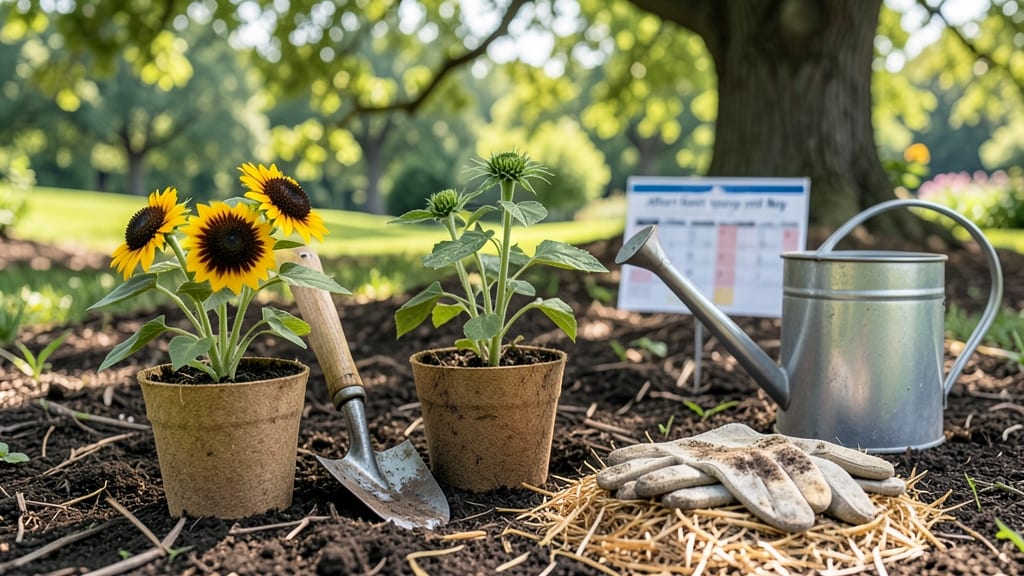
Timing your flower planting in Michigan can make or break your garden's success—get it wrong, and frost or heat waves will leave you staring at brown stems instead of vibrant 🌸 blooms.
With Michigan's 5a-6b zones and unpredictable weather, knowing the exact window matters more than you might think. Whether you're planting hardy tulips or delicate annuals, the difference between April 15 and May 15 could mean the difference between a thriving garden and a sad, wilted disappointment.
I've spent years testing planting schedules across Michigan, from Detroit's urban heat islands to the Upper Peninsula's cooler climates. What I'm about to share will help you avoid common mistakes and get your flowers off to the perfect start—no matter where you live in the state.
Let's dive into the exact frost-free dates, variety-specific schedules, and pro tips that will have your garden bursting with color from spring through fall.
Michigan frost-free dates by USDA plant hardiness Zone (2024 guide)
Michigan’s USDA Hardiness Zones 5a-6b create a unique challenge for gardeners—late spring frosts can linger until mid-April, while fall frosts may arrive as early as mid-October.
Understanding these dates helps you choose the right flower varieties and planting windows for your specific zone, whether you’re in Detroit (Zone 6a) or the Upper Peninsula (Zone 5a).
For cool-season flowers like pansies or violas, you can often start planting as early as March in southern Michigan, while northern regions should wait until late April.
Conversely, warm-season favorites such as marigolds or zinnias should only go in the ground after the last frost date, typically between May 1 and June 1, depending on your location.
Here’s a quick reference for Michigan’s last frost dates by zone, including adjustments for urban heat islands (like Ann Arbor or Grand Rapids) and rural areas (like Traverse City or Marquette).
These dates are based on 30-year averages from the Michigan State University Extension, but always check your local Almanac for real-time updates.
🌱
| USDA Zone | Last Frost Date | First Frost Date | Planting Window | Notes |
|---|---|---|---|---|
| Zone 5a (Upper Peninsula, Northern MI) | May 10–20 | September 20–October 5 | April 15–May 15 (spring) / August 15–September 10 (fall) | Longer growing season; opt for cold-hardy perennials. |
| Zone 5b (Northern MI, e.g., Gaylord) | May 1–10 | September 25–October 10 | April 1–May 1 (spring) / August 15–September 15 (fall) | Wait for soil to warm to 50°F before planting warm-season flowers. |
| Zone 6a (Central/Southern MI, e.g., Lansing, Detroit) | April 15–May 1 | October 10–20 | March 15–April 15 (cool-season) / May 1–June 1 (warm-season) | Urban areas may experience heat islands—plant heat-tolerant varieties. |
| Zone 6b (Southwest MI, e.g., Kalamazoo, Benton Harbor) | April 1–15 | October 20–November 1 | March 1–April 1 (cool-season) / April 15–May 15 (warm-season) | Earliest zone for tender annuals like impatiens. |
If you’re unsure about your exact last frost date, use a soil thermometer to confirm when temperatures consistently stay above 50°F for at least a week. This is especially critical for warm-season flowers, which can wilt or die if exposed to unexpected late frosts.
For container gardening, you have more flexibility—you can move pots to protected areas if frost is forecasted. However, even containers need to be acclimated to outdoor temperatures gradually to avoid shock.
Pro tip: In Zone 5a, consider starting tender annuals indoors in March and transplanting them after the last frost. This extends your blooming season by several weeks.
🌿
Remember, microclimates play a huge role in Michigan. A south-facing slope in your yard might warm up 1-2 weeks earlier than the surrounding area, while a low-lying spot could hold frost longer. Use these local variations to your advantage by planting heat-loving flowers in warmer microclimates first.
For example, sunflowers thrive in full sun and can handle Zone 5a’s shorter season if planted by May 15. Meanwhile, pansies or snapdragons can often survive light frosts and are great for early spring color.
🌸
Best flower planting schedule by variety for Michigan gardens
Michigan’s diverse climate means your flower planting schedule should match both hardiness zones and plant types.
Annuals like zinnias and marigolds thrive when planted after the last frost (typically mid-April to May), while perennials like coneflowers can handle earlier spring planting. Bulbs like tulips and daffodils should go in the fall for spring blooms.
For cool-season flowers, such as pansies and snapdragons, you can even start as early as March in southern Michigan (Zone 6a) or late April in northern areas (Zone 5a). These hardy annuals tolerate light frosts, making them ideal for early spring color.
🌸
Fall planting is your second chance for season-long color. Cool-season annuals like mums and sweet alyssum thrive when planted in late summer (August-September) for autumn blooms. Perennials like black-eyed Susans can also be planted in early fall to establish roots before winter.
For succession planting, stagger your annual flower sowings every 2 weeks from May through July. This ensures continuous blooms all summer long. For example, plant zinnias in early May, then again in June and July to keep your garden vibrant until frost.
🌿
Always check your local frost dates—they can vary 1-2 weeks from the averages. Use a soil thermometer to confirm 50°F soil temps before planting warm-season flowers. Container gardens also warm up faster, so you can plant 2-3 weeks earlier than in-ground beds.