
Plants
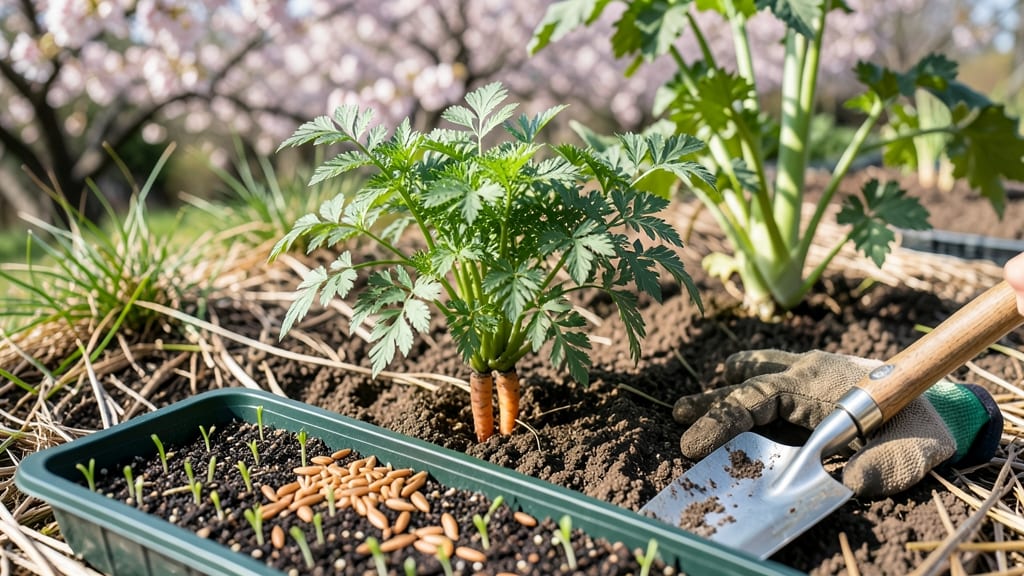
If you’ve ever planted 🥕 carrots in San Diego only to end up with bitter, stunted roots, you’re not alone—timing is the game-changer here.
Unlike inland areas, San Diego’s coastal breezes and mild winters create a unique window where carrots thrive year-round, but getting it wrong means bolting or poor flavor.
The key is planting when soil temps dip below 75°F, typically between late summer and early spring. Too early, and the heat will send your carrots bolting; too late, and you’ll miss the sweetest harvests.
I’ll break down the exact months to sow for crisp, flavorful roots that grow just right in our local climate.
You’ll also discover how to extend your growing season with shade cloth and companion plants—critical tricks for avoiding common pitfalls. Let’s dive into the perfect planting schedule so your next batch of carrots comes out sweet, straight, and ready to harvest.
Whether you’re a first-time gardener or a seasoned local, these insights will help you skip the trial-and-error phase. Ready to grow carrots that actually taste like summer? Let’s get started.
San Diego’s ideal carrot planting calendar: month-by-month breakdown
San Diego’s microclimates create unique opportunities for growing carrots year-round, but the cool-season window (fall through spring) produces the sweetest, crispest roots. Unlike northern climates, we don’t have to worry about frost damage, but heat stress and bolting remain real threats.
The key is planting when soil temperatures stay between 55-75°F—ideal for germination without triggering early flowering.
Coastal areas like La Jolla and Encinitas enjoy milder winters, while inland spots like Escondido or Ramona experience slightly cooler nights. This means your planting schedule should shift 2-3 weeks earlier in inland zones.
For most of San Diego, the best planting months are September through March, with two peak windows: early fall and late winter.
Here’s your month-by-month breakdown for direct sowing carrots in San Diego, including soil prep tips and bolting prevention strategies:
For spring planting, wait until late April when soil temperatures drop below 75°F after sunset. This heat-tolerant window lasts until early June, but expect smaller yields compared to cool-season crops. Always test soil moisture before watering—carrots need consistent moisture but hate soggy soil, which causes forking.
Pro tip: Succession plant every 2 weeks from September through February to ensure a continuous harvest. In coastal areas, you can even squeeze in a small fall crop by sowing in late August with heavy shade protection.
The goal is to keep carrots in the ground for 70-90 days before they mature, avoiding the bolting trigger of long daylight hours.
Remember,
How to extend your carrot growing season in San Diego’s mild climate
San Diego’s mild winters and extended growing season let you harvest carrots nearly year-round—but heat and bolting are still threats. The secret? Strategic timing and simple tools like shade cloth and succession planting.
I’ve grown crisp carrots in summer by following these proven tricks, even when temps climb above 80°F.
First, focus on shade cloth during peak summer months (June–August). A 30–50% shade cover keeps soil temps below 75°F, preventing bolting. I use white fabric to reflect heat while allowing light for photosynthesis—just remove it by late afternoon to avoid fungal risks.
Next, succession planting every 2–3 weeks ensures a steady harvest. Sow short-season varieties like ‘Paris Market’ (55 days) in early spring and late summer, while longer varieties like ‘Danvers’ (70+ days) thrive in fall. This staggering method keeps your table stocked year-round.
Don’t overlook soil preparation—San Diego’s sandy soils drain too quickly for carrots. Amend beds with compost and coconut coir to retain moisture, and loosen soil to 12 inches deep to prevent forking. I add a 1-inch layer of compost at planting time for extra nutrients.
For winter planting, protect seedlings with row covers if temps drop below 40°F. My Paris Market carrots thrived in December with just a lightweight fleece—no frost damage, and they stayed sweet until spring.
The key is consistent moisture; water deeply 2–3 times per week in winter to prevent drying.
Finally, harvest strategically. Pull smaller carrots first (like ‘Paris Market’) to encourage larger roots later. In summer, harvest by late morning to avoid wilting in heat. With these methods, I’ve enjoyed fresh carrots every month—even in San Diego’s hottest summers!