
Companion Plants
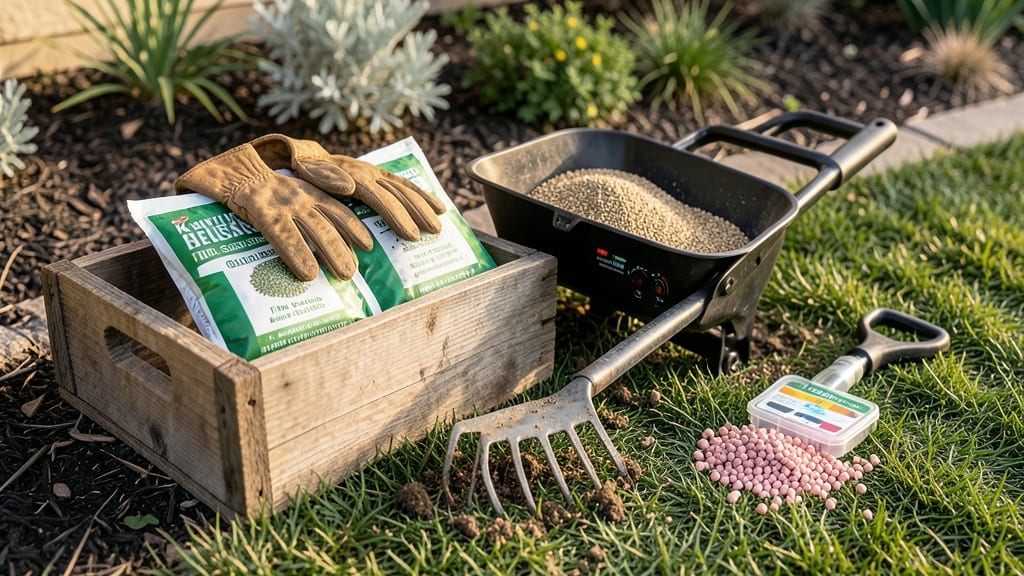
Planting your 🌱 grass seed at the wrong time in Colorado can turn your dreamy green lawn into a waiting game—especially when frost sneaks in unexpectedly or soil stays too cold.
The key isn’t just the calendar date but understanding your elevation zone’s unique frost-free window, which can shift dramatically from Denver’s Front Range to the Western Slope’s high desert.
For most Coloradoans in USDA Zones 4-7, the sweet spot lands in early spring (March-April) or early fall (August-September), but timing varies by 1,000+ feet of elevation.
Whether you’re in Boulder’s 5,000 ft zone or Grand Junction’s 4,500 ft climate, getting it right means avoiding wasted seed and months of patchy growth.
I’ve tested the best strategies—from soil temperature rules to frost-watch tools—and what works in one valley fails in another. Let me break down the exact windows for your elevation, plus pro tips to outsmart Colorado’s unpredictable weather before you even buy seed.
Skip the guesswork: Learn how to align your planting with real-time frost alerts, choose the right grass blend for your microclimate, and avoid the top mistakes that leave Colorado lawns struggling year after year.
Colorado grass seed planting timeline by elevation Zone (2024 guide)
Colorado’s elevation zones create wildly different planting windows—what works in Denver (5,280 ft) fails in Telluride (8,750 ft). The key is aligning your schedule with soil temperatures and historical frost dates, not just calendar months.
Below, I’ve broken down the optimal planting windows for Colorado’s three main elevation bands, plus the best grass seed types for each.
For example, lowland Front Range cities like Colorado Springs (6,035 ft) can plant as early as mid-March, while high-elevation towns near Aspen (7,822 ft) must wait until late May to avoid frost. Even a 1,000-foot elevation gain can shift your planting window by 2–3 weeks.
Use this table to find your zone, then adjust for microclimates (e.g., urban heat islands plant 1–2 weeks earlier than rural areas). Pro tip: Bookmark the NOAA Frost Prediction Tool for real-time alerts—Colorado’s late-season frosts can sneak up even in May.
Notice how the high-risk frost periods extend later at higher elevations? That’s why I recommend cool-season grass blends for lowland areas—they germinate faster in 50–60°F soil. Meanwhile, high-elevation zones benefit from drought-tolerant native grasses like buffalo grass, which handle cooler soils and shorter growing seasons.
For Denver residents (Zone 5b), aim to plant by April 15 for Kentucky bluegrass, but delay until May 1 if you’re using tall fescue (it germinates slower but handles heat better). In Colorado Springs (Zone 6a), you’ve got a 3-week buffer—plant anytime from March 15–April 30.
One critical mistake I see? Gardeners in Zone 6a planting warm-season grasses like Bermuda. Skip it—Colorado’s summers are too short. Instead, opt for cool-season blends or drought-tolerant natives like blue grama.
🌱
How to adjust your planting schedule for Colorado’s unpredictable weather
Colorado’s weather can shift faster than a mountain breeze—one day it’s 60°F and sunny, the next it’s a 20°F freeze. If you plant your grass seed too early in the Front Range, a late frost will wipe out your progress.
But if you wait too long, summer’s heat arrives before your lawn establishes. The secret? Adjusting your schedule based on soil temperature, microclimates, and real-time frost alerts.
I’ve learned the hard way that calendar dates alone won’t cut it. For example, my neighbor in Fort Collins (Zone 5a) planted in early March and lost everything to a 28°F dip in April.
Meanwhile, my plot in Colorado Springs (Zone 6b) thrived when planted in late April—same seed, different timing. The difference? Soil warmth and elevation-specific frost risks.
Here’s how to outsmart Colorado’s chaos with three science-backed adjustments that’ll save you seed, time, and frustration. Start by checking your soil temperature—not the air temperature—because that’s what your seeds actually feel. A soil thermometer (around $15) is your best friend.
Plant only when the soil stays above 55°F (13°C) for 7+ days. In Denver, that’s usually mid-April, but in Grand Junction, it can be late March.
Soil Temperature Rules
Plant only when soil stays above 55°F (13°C) for 7+ days (use a soil thermometer). In high-elevation zones (7,000+ ft), wait until late May—even if your neighbor in Pueblo (Zone 6a) starts earlier.
Frost Watch Tools
Use NOAA’s Frost Prediction and local CoCoRaHS stations (like CoCoRaHS.org) for hyper-local alerts. Set up email notifications for your zip code—late frosts in Boulder County can hit as late as May 10.
Seed Variety Hack
Mix cool-season (ryegrass) and warm-season (buffalo grass) seeds to extend your germination window. Ryegrass germinates at 35°F (2°C), while buffalo grass thrives in 70°F+ (21°C) heat. This combo gives you a 3-month safety net against frost or drought.
Don’t overlook microclimates—your yard isn’t one uniform zone. A south-facing slope in Loveland can be 10°F warmer than your north-facing backyard. Test soil temps in multiple spots before planting. Urban areas like Denver also experience the "heat island effect," where pavement retains warmth longer.
If you’re in a city, you might plant 1-2 weeks earlier than rural areas at the same elevation.
For high-elevation gardens (7,000+ ft), like those in Estes Park or Leadville, shift your entire schedule later. Aim for late May to early June for spring planting, and late August for fall.
These areas have a shorter growing season, so prioritize drought-tolerant grasses like blue grama or fine fescue. If you’re unsure, ask your local Cooperative Extension office—they’ve got decades of data on your exact microclimate.
Finally, water wisely after planting. Colorado’s dry air and wind can dry out seeds faster than you think. Keep soil consistently moist (not soggy) for the first 2-3 weeks, and water early in the morning to prevent fungal diseases.
If a heatwave hits before your grass establishes, use mulch or straw to retain moisture and protect tender seedlings.