
Plants
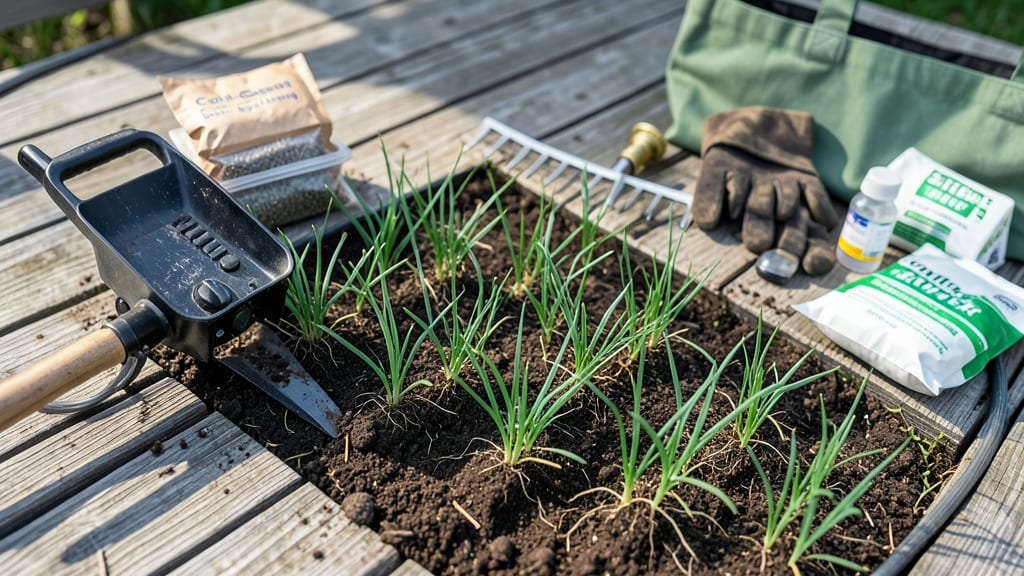
Planting your 🌱 Grass Seed (Lawn Grass) at the wrong time in spring can turn your green dreams into a patchy, slow-growing disappointment.
The key to fast germination and a lush lawn lies in knowing exactly when soil temperatures and frost-free dates align—because cold soil stalls growth while summer heat stresses young sprouts.
In USDA Zone 6a, like many northern regions, the ideal window opens around early April when soil warms to 50-65°F—but timing varies by grass type. Cool-season grasses (like fescue) thrive in those crisp spring conditions, while warm-season varieties (like Bermuda) prefer the heat of late spring.
Get it wrong, and you’re either waiting for frost to pass or battling drought before seeds even sprout.
This isn’t just about picking a date—it’s about fast, reliable results. I’ll walk you through the exact soil temp checks, frost-free deadlines, and regional tweaks to ensure your grass germinates in 2-4 weeks (not months). No more guessing—just a checklist that works for your climate.
Ready to transform bare soil into a vibrant lawn? Let’s dive into the science-backed timing that’ll have your grass growing thick and green from day one.
Ideal soil temperature and frost-free timing for grass seed germination
Getting your spring grass seed timing right means understanding two critical factors: soil temperature and frost-free dates. Cool-season grasses like Kentucky bluegrass and fescue need soil temps between 50-65°F, while warm-season types such as Bermuda or Zoysia thrive at 65-75°F.
Planting too early when soil is still cold delays germination, while waiting too long risks summer heat stress on young seedlings.
Most gardeners aim to plant 4-6 weeks before the first frost in fall or after the last frost in spring. This ensures your grass has time to establish strong roots before winter dormancy or summer heat sets in.
For example, in USDA Zone 6, where last frosts typically occur around April 15, early March to mid-April is ideal for cool-season grasses.
Use a soil thermometer to check temps at a 2-4 inch depth—this is where seeds will germinate. Morning is the best time to test, as soil temps fluctuate less.
If your soil is below 50°F, wait a few more days or use row covers to warm the soil faster. Conversely, if temps exceed 75°F for warm-season grasses, delay planting until late spring or early summer.
Frost-free dates vary dramatically by region. The Pacific Northwest may have frost risks until May 15, while the Southeast often sees last frosts by March 15. Always check your local NOAA frost calendar or contact your extension service for precise dates.
Planting too early in frost-prone areas can leave seedlings vulnerable to freeze damage or crusting from alternating freeze-thaw cycles.
Here’s a quick rule of thumb: For cool-season grasses, plant when daytime highs are consistently above 60°F and nights stay above 40°F. For warm-season grasses, wait until soil temps hit 65°F and stay there for at least a week.
This ensures your seeds won’t sit dormant in cold soil or struggle with heat stress.
| Grass Type | Optimal Soil Temp (°F) | Frost-Free Days Before Planting | USDA Zones | Germination Time |
|---|---|---|---|---|
| Cool-Season (Kentucky Bluegrass, Fescue, Ryegrass) | 50-65°F | 4-6 weeks | 3-7 | 7-14 days |
| Warm-Season (Bermuda, Zoysia, St. Augustine) | 65-75°F | 2-4 weeks | 8-11 | 10-21 days |
| Tall Fescue (Transition Zone) | 55-70°F | 4-5 weeks | 5-8 | 10-14 days |
Note: Adjust planting dates by 2-4 weeks if your spring is unusually early or late.
Microclimates can shift your ideal planting window by weeks or even months. Shady areas stay cooler longer, while south-facing slopes warm up faster. Test soil temps in multiple spots across your yard—what’s perfect for the sunny side may be too cold for the shaded patch.
If you’re unsure, err on the side of waiting until soil temps are consistently in the ideal range for your grass type.
One common mistake is planting cool-season grasses in late spring when soil temps rise above 70°F. While they may still germinate, growth slows, and seedlings become stressed. Similarly, planting warm-season grasses too early in cool soil can lead to poor germination.
Always match your grass type to your climate zone and adjust for early or late springs using row covers or delayed planting strategies.
Pro tip: If you’re planting in USDA Zones 4-6, consider a two-step approach. Start with ryegrass in early spring (as early as February in mild winters) to establish quick coverage, then overseed with your primary grass type in March or April.
This reduces weed competition and gives you a lush lawn faster.
Step-by-step checklist: how to time your spring grass planting for maximum success
Getting your grass seed planting timing right isn’t just about the calendar—it’s about soil conditions and weather patterns. Even if you’re eager to see green, planting too early risks frost damage, while waiting too long can mean summer heat stress.
Here’s my foolproof 5-step checklist to nail the perfect window for your lawn.
First, grab a soil thermometer and check the temperature at a 2-4 inch depth. For most cool-season grasses (like Kentucky bluegrass or fescue), aim for 50-65°F. Warm-season grasses (like Bermuda or Zoysia) need 65-75°F. If your soil is colder, wait—patience here prevents wasted seed and slow growth.
Next, verify your local frost-free date using the NOAA website or your local extension service. Plant at least 4-6 weeks before the first expected frost in fall (for cool-season grasses) or after the last frost in spring.
For example, in USDA Zone 6, that’s typically mid-April to early May—but always double-check!
Once you’ve locked in the timing, prep your soil by removing debris and loosening the top 2-3 inches. Add compost or starter fertilizer (like a 10-10-10 NPK blend) to give seedlings a nutrient boost.
Then, spread your seed evenly—use a broadcast spreader for large areas—and lightly rake it in to ensure seed-to-soil contact.
Finally, plan for weed control and ongoing care. Apply a pre-emergent herbicide 4-6 weeks after seeding to block weeds, but skip if you’re planting warm-season grasses in late spring—these herbs can harm them. Mow when grass reaches 3-4 inches tall to encourage density and avoid scalping.
With this checklist, you’ll avoid the most common mistakes—like planting too early, uneven watering, or skipping soil prep—and set your lawn up for fast, even germination. Stick to these steps, and you’ll be walking on lush grass in no time! 🌱