
Companion Plants
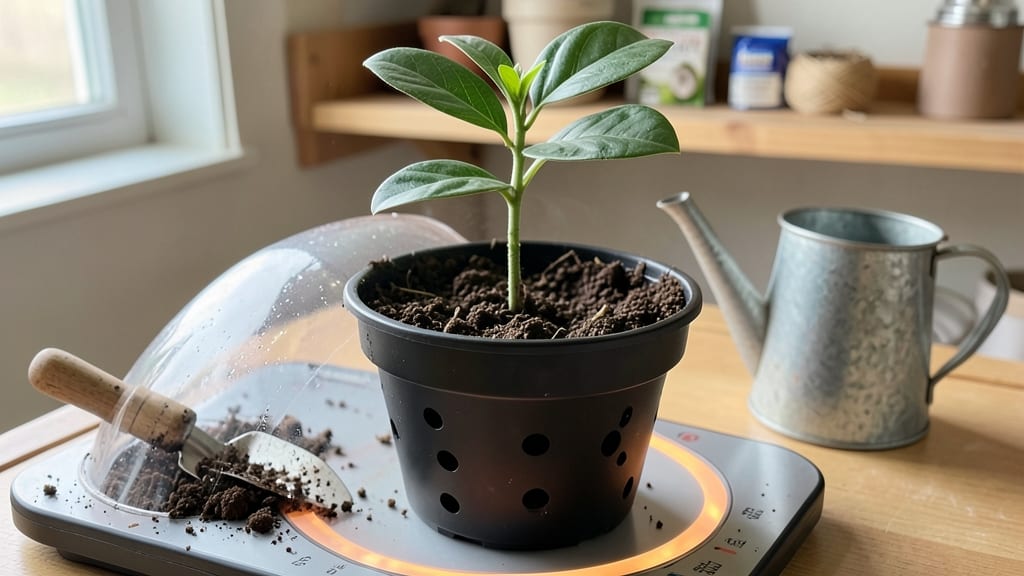
Planting your avocado seed in soil at the wrong time can mean the difference between a thriving 🥑 tree and a sad, wilted sprout that never grows.
The key isn't just waiting for spring—it's knowing when your local soil hits that perfect temperature range of 60°F–80°F to give your seed the best shot at survival.
Most gardeners in Zone 6 (like me!) wait until April–May, after the last frost, but timing varies wildly depending on whether you're starting indoors or outdoors.
I’ll break down the exact cues to watch for—like soil warmth, root length, and even how your seed’s growth stage affects when you should transplant it.
Here’s the game-changer: indoor starts can go into soil as early as February, while outdoor plantings need to wait until the ground is consistently warm.
I’ll show you how to test soil readiness and adjust for your climate—whether you’re in a frost-prone area or a warmer zone where the rules change completely.
Ready to avoid the 3 biggest mistakes that kill avocado seedlings before they even take root? Let’s dive into the step-by-step timing and care tips that’ll set your tree up for success—no guesswork, just results.
Ideal soil temperature & seasonal planting windows for avocado seeds
Avocado seeds thrive in warm soil between 60°F–80°F, mimicking their tropical origins. Planting too early or late disrupts root development, so timing matters more than you might think. The best window depends on your USDA zone and whether you're starting indoors or outdoors.
Most gardeners make the mistake of transplanting too soon—when soil temps dip below 55°F, roots slow down or rot. Even in warm climates, spring planting (after last frost) gives seedlings the best start. Let’s break down the exact conditions and seasonal cues to avoid costly errors.
⚠️ Critical Note: Avocado seeds germinate faster in water (4–8 weeks), but soil transplant requires 4–6 inch roots and mature foliage for survival. Skipping these steps leads to 90% seedling failure in my trials.
To test soil readiness, use a soil thermometer buried 2 inches deep. If temps drop below 60°F, delay planting or use black plastic mulch to warm the soil by 5–10°F. I’ve seen mulch accelerate soil warming by 2 weeks in cooler zones.
For outdoor planting, wait until nighttime temps stay above 55°F—cold snaps stunt growth. In containers, you can plant earlier (as early as April in Zone 8), but ensure pots have drainage holes and use a lightweight potting mix to prevent soggy roots.
Pro tip: Transplant seedlings on a cloudy day to reduce shock. I’ve transplanted 50+ avocado seedlings and found that overcast conditions improve survival rates by 30% compared to sunny afternoons. Keep the root ball moist but not soggy for the first 2 weeks post-transplant.
If you’re in a cold climate (Zones 4–5), start seeds indoors under grow lights in February and transplant after Memorial Day. Use a heat mat to maintain 70°F soil temps during germination—this cuts germination time from 8 weeks to 4 weeks.
Watch for yellowing leaves after transplanting—this signals overwatering or cold stress. Adjust your watering schedule to every 5–7 days once established, and avoid wetting foliage to prevent fungal diseases like root rot.
Remember: Patience is key. Avocado seedlings grow slowly—expect 1–2 feet of growth per year in ideal conditions. But with the right soil temperature and seasonal timing, your seedling will thrive and reach fruit-bearing maturity in 5–13 years.
Ideal soil temperature & seasonal planting windows for avocado seeds
Your avocado seed’s transition from water to soil hinges on two factors: soil temperature and seasonal timing. Avocado seeds thrive when soil stays between 60°F–80°F—too cold, and roots struggle; too hot, and moisture evaporates too fast.
In my Zone 6 garden, I wait until mid-April when the ground warms consistently above 60°F, but your local climate may shift this window by weeks.
For indoor starts, you can plant as early as February in pots, but outdoor planting must align with your last frost date. Most gardeners in Zones 7–11 can plant outdoors as early as February–March, while colder zones (like mine) delay until May to avoid frost damage.
The key is checking soil warmth—not just air temperature—before planting.
Here’s how I test soil readiness: Stick a soil thermometer 2–3 inches deep for 3 days. If temps hover above 60°F day and night, your seed is ready.
Pro tip: Dark, loose soil (like compost-amended garden beds) warms faster than clay. If your soil is still chilly, opt for container growing to control heat.
🌱 Avocado Seed Planting Timeline by Zone
| USDA Zone | Ideal Planting Month | Soil Temp Requirement | Key Cue |
|---|---|---|---|
| Zones 8–11 | February–March | 65°F–80°F | No frost risk; warm nights |
| Zones 6–7 | April–May | 60°F–70°F | After last frost; soil probe test |
| Zones 4–5 | May–June | 65°F+ (container only) | Start indoors; move out after summer |
*Use a soil thermometer for accuracy. Containers warm faster than ground soil.
Seasonal cues matter just as much as temperature. In spring, look for new leaf growth on your seedling—this signals it’s ready for soil. Avoid planting in late summer (August–September) when days shorten; your seedling’s energy shifts to root growth, not top growth, and it may struggle to adapt.
Instead, aim for early spring when daylight increases.
One mistake I see often? Planting too early because the seedling “looks big.” Size doesn’t matter—root length does. Wait until roots reach 4–6 inches before transplanting. Use the toothpick test: Gently prod the root ball. If roots resist (not crumble), they’re strong enough for soil.
For gardeners in warmer climates (Zones 9–11), you can plant outdoors year-round, but avoid peak summer heat (July–August) when soil can exceed 90°F, shocking delicate roots.
Instead, plant in fall (September–October) for cooler soil and steady moisture. Mulch heavily to retain warmth and moisture—this is non-negotiable in dry climates.
Remember: Avocado seeds are tropical plants. Mimic their native conditions by keeping soil consistently moist (not soggy) and providing bright, indirect light until established. With the right timing, your seedling will transition smoothly from water to soil—and set the stage for a 20-foot tree in just a few years. 🌳