
Companion Plants
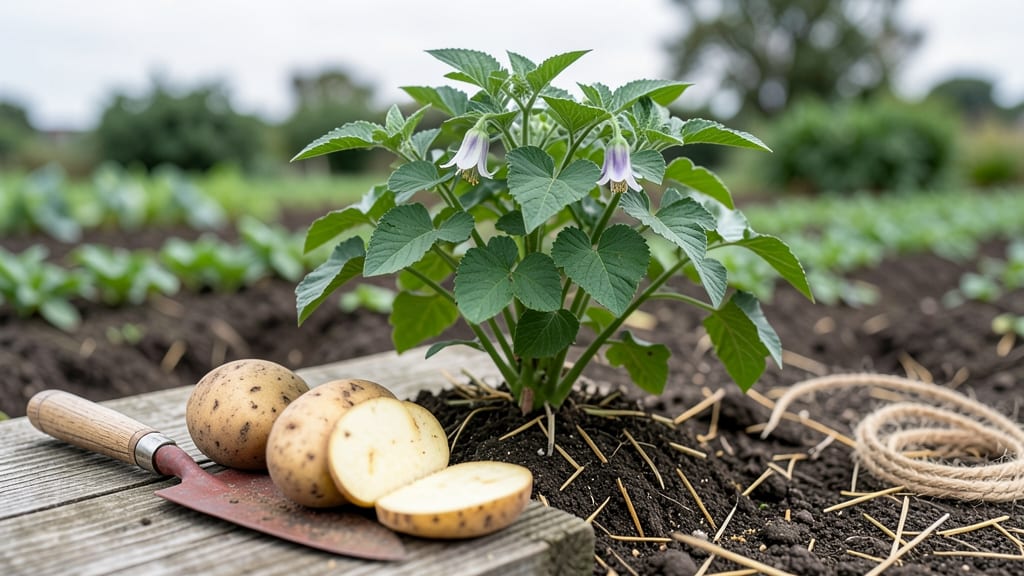
Planting your 🥔 potatoes at the right time in Zone 7 could mean the difference between a bountiful harvest and a sad, frost-bitten pile of sprouts. If you've ever wondered why some gardeners pull out perfect spuds while others struggle with stunted growth, timing is the secret weapon you're missing.
Most gardeners in Zone 7 rush to plant as soon as the ground is workable, but that's not always the best strategy. The ideal window actually starts 4-6 weeks before your last frost date—typically late February to early April—when soil temperatures hit 45°F or warmer.
This gives your tubers time to establish roots before the real warmth kicks in.
Here's the game-changer: you can actually plant potatoes two different ways in Zone 7. Some gardeners swear by starting seed potatoes indoors in late winter, while others prefer direct sowing when soil is workable.
I'll break down both methods so you can choose what works best for your schedule and climate variations.
Whether you're a first-time gardener or a seasoned pro, these exact timing tips will help you avoid common mistakes like frost damage or waiting too long. Let's get your potato patch off to the best possible start this spring.

Zone 7 potato planting calendar: exact weeks before last frost for best results
In Zone 7, potatoes thrive when planted at the right time—too early and frost zaps your crop, too late and you miss peak harvest season. The average last frost date for Zone 7 is around March 15, but your exact timing depends on soil temperature and variety.
For early potatoes, aim to plant 4-6 weeks before your last frost date, while late-season varieties can wait until April or even early May.
Potatoes need 70-120 days to mature, so timing your planting ensures you harvest before first frost in November. Early varieties (like 'Red Norland') mature in 70-90 days, while late varieties (like 'Russet Burbank') take 100-120 days.
Plan accordingly to avoid wasted effort—planting too late means smaller yields or immature tubers.
Here’s the breakdown of your Zone 7 potato planting window based on frost dates and variety types:
| Planting Window | Best For | Soil Temp Requirement | Harvest Window |
|---|---|---|---|
| Early March (4-6 weeks before last frost) | Early varieties (70-90 days to maturity) | 40-45°F (use frost blankets) | Late May to early July |
| Mid-April (2-4 weeks before last frost) | Mid-season varieties (90-100 days) | 50-55°F (soil workable) | July to early August |
| Early May (after last frost risk) | Late varieties (100-120 days) | 55-60°F (ideal for growth) | August to September |
For early potatoes, start indoors in late February if you’re worried about frost. Chit your seed potatoes (place them in a bright, cool spot to sprout eyes) 4-6 weeks before planting to jumpstart growth.
This gives you a 2-week head start on the season, which is critical in Zone 7’s unpredictable spring weather.
If you’re planting directly outdoors, wait until the soil reaches at least 45°F. Use a soil thermometer to check—cold soil slows germination and can lead to rot. In cooler microclimates (like higher elevations in Zone 7), delay planting until mid-April to avoid frost damage to emerging sprouts.
Pro tip: Plant two successions—one in early March for a June harvest and another in mid-April for a July-August harvest. This stretches your potato supply and reduces waste. Just be sure to space them 3-4 weeks apart to avoid overcrowding.
Potatoes need full sun (6+ hours daily) and well-draining soil. If your garden bed is shady, opt for early-maturing varieties like 'Early Girl' or 'Finnish Yellow' to maximize yield. Amend your soil with compost or aged manure before planting to improve drainage and fertility—potatoes are heavy feeders!
Finally, don’t forget to hill your potatoes (pile soil around stems) as they grow. This encourages more tuber formation and protects against green skin (toxic solanine) from sunlight exposure. Hill when plants reach 6-8 inches tall, then again every 2-3 weeks until flowering.
With the right timing and care, you’ll enjoy a bountiful harvest of crisp, flavorful potatoes—just in time for summer meals (and maybe even a few extras for storage). Happy planting! 🥔
How to adjust potato planting for Zone 7’s microclimates and frost risks
Zone 7’s microclimates can throw off even the most experienced gardener’s potato planting schedule. What works in the Piedmont region with its cooler springs might fail in the Coastal Plain, where warmer maritime air lingers later.
I’ve seen gardeners in Raleigh rush to plant in March only to face late frosts, while their neighbors in Wilmington harvest early varieties by June. The key is adjusting your timing based on local frost patterns and using protective strategies.
Your first adjustment should be planting dates. While the general rule is to plant 2-4 weeks before your last frost date, Piedmont gardeners should aim for late March to early April, while Coastal Zone 7 gardeners can start as early as February in sheltered microclimates.
I always check my local Almanac frost dates but add a 2-week buffer for safety—especially if you’re growing early-maturing varieties like 'Red Norland'.
Here’s where things get tricky: even within Zone 7, elevation changes everything. A garden at 1,000 feet in the Blue Ridge foothills will have 2-3 weeks later frost dates than one at sea level.
I’ve learned to plant cold-hardy varieties like 'Yukon Gold' in higher elevations, while sticking to faster-maturing types in warmer lowlands. The goal is to have tubers forming before June’s heat stress sets in.
⚠️ Late Frost Alert: When to Delay Planting in Zone 7
If your area has a history of late April frosts, don’t plant before April 15—even with row covers. I once lost a whole bed of 'Kennebec' potatoes to a 28°F night in early April. Use these frost risk indicators:
- ❄️ 32°F or below: Wait 2 weeks or use frost cloth
- ❄️ 28°F or below: Delay planting until May 1 or use black plastic mulch
- 🌡️ Soil temps <45°F: Potatoes won’t sprout—wait for 50°F+
Pro Tip: Plant test potatoes in a small patch 2 weeks early—if they survive, you’ve got a green light for the rest!
For soil warming, I’ve had great success with black plastic mulch laid down 2 weeks before planting. This raises soil temps by 5-10°F and speeds up germination. In my Coastal Zone 7 garden, I combine this with straw mulch after sprouting to retain moisture during our humid summers.
If you’re in the Piedmont region, consider cold frames for early starts—they can add 3-4 weeks to your growing season.
Don’t overlook row covers as your secret weapon against late frosts. A simple frost blanket can protect young plants down to 20°F, giving you flexibility to plant earlier.
I use floating row covers over my seed potatoes until they reach 6 inches tall, then remove them to prevent overheating. For extreme cold snaps, add straw mulch on top—this creates an insulating blanket that can save your crop.
Finally, choose varieties with the right maturity windows. In Coastal Zone 7, I plant 90-day varieties like 'Adirondack Blue' in March for a June harvest, while in the Piedmont, I stick to 110-day types like 'Russet Burbank' planted in April.
The right variety matched to your microclimate means fewer frost risks and better yields. Always test a few varieties—what works for your neighbor might not work for your specific garden elevation and microclimate.