
Plants
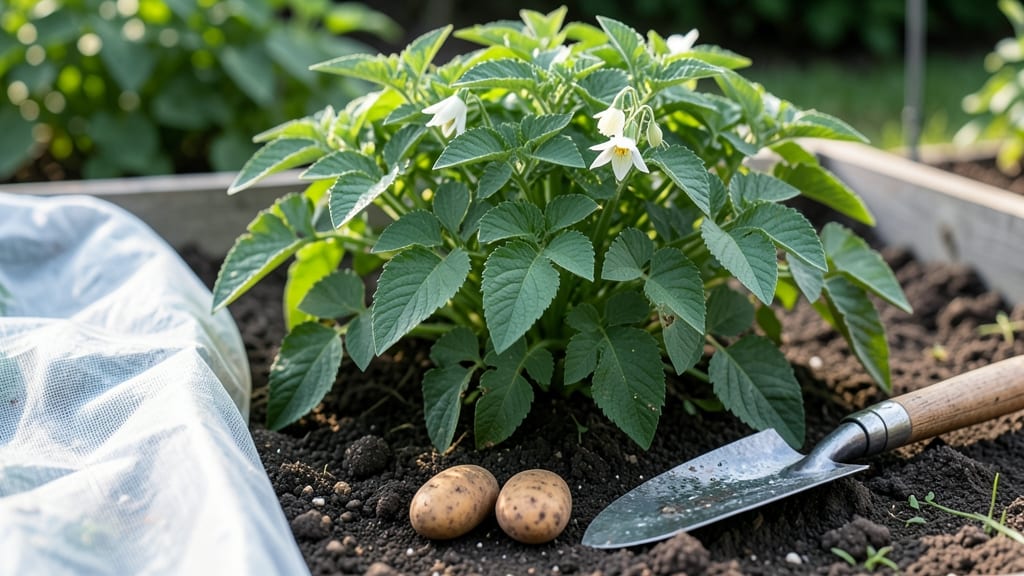
When can you plant the potatoes in Colorado? Timing your potato planting in Colorado can mean the difference between a bumper crop of 🥔 and a wasted effort—because those last frost dates vary wildly from the Front Range to the Western Slope.
If you plant too early, a late freeze will kill your sprouts; too late, and you’ll miss the short growing season in high elevations.
Most Colorado gardeners wait until two weeks after the average last frost date—typically mid-April to early May in lower elevations, but as late as June in mountainous regions.
The key is checking soil temperatures (aim for 45°F or warmer) and monitoring local forecasts, since Colorado’s weather is famously unpredictable.
In this guide, I’ll break down the exact planting windows for your specific USDA zone, whether you’re growing cold-hardy fingerlings or heat-tolerant Yukon Golds.
You’ll also learn how to prep your soil for Colorado’s clay-heavy or rocky beds and when to start chitting your seed potatoes indoors for a head start.
By the end, you’ll know exactly when to plant for your elevation—and how to protect your crop from hail, late frosts, and other Colorado-specific challenges. Let’s get those spuds in the ground the right way!
Colorado’s frost-free planting zones for potatoes: when to start by elevation
Colorado’s diverse elevations—from the Front Range’s 5,000 feet to the Western Slope’s 8,000+ feet—create wildly different planting windows for potatoes. Unlike flat states, your last frost date can shift by weeks just 50 miles away.
For example, Denver typically sees its last frost around May 15, while Grand Junction averages April 15. High-altitude gardens (USDA zones 4-5) need cold-hardy varieties like Yukon Gold or fingerlings, while lower elevations (zones 6-7) can handle heat-tolerant types such as Red Pontiac.
Timing isn’t just about frost—it’s about soil temperature. Potatoes thrive when soil reaches 45°F (7°C), but roots grow best above 50°F (10°C).
In Colorado, this usually aligns with late April to early May for most regions, but microclimates (like urban heat islands or sheltered valleys) can push those dates 1-2 weeks earlier. Always check local frost data from the Colorado State University Extension for your specific county.
Here’s how elevation impacts your planting schedule:
🌱 Colorado Potato Planting Zones by Elevation
| Region | Avg. Last Frost | Best Planting Window | Recommended Varieties |
|---|---|---|---|
| Front Range (Denver, Boulder) | May 1–15 | April 20–May 10 | Yukon Gold, Red LaSoda |
| Western Slope (Grand Junction, Durango) | April 1–15 | March 20–April 10 | Red Pontiac, Kennebec |
| Eastern Plains (Colorado Springs, Pueblo) | April 20–May 5 | April 1–April 20 | Russet Burbank, Fingerlings |
| High Mountains (Aspen, Telluride) | June 1–15 | May 10–June 1 | Purple Majesty, Blue Congo |
⚠️ Pro Tip: Use row covers to plant 2 weeks earlier in frost-prone areas.
If you’re in zone 4 or higher, consider chitting (pre-sprouting) seed potatoes indoors under cool light (60°F) starting in March. This gives you a 2-week head start on the growing season.
For low-elevation gardens, prioritize drought-tolerant varieties like Adirondack Red, which handle Colorado’s dry heat better than traditional types.
One common mistake? Planting too early when soil is still cold or wet. Potatoes rot in waterlogged conditions, and sprouts can die back if nighttime temps drop below 40°F (4°C).
To test soil readiness, press your finger 2 inches deep—if it’s crumbly and warmer than 50°F, it’s time to plant.
For high-altitude gardens, focus on early-maturing varieties (60–75 days to harvest) to avoid early fall frosts. Varieties like Kennebec or Minnesota Gem are reliable choices, while longer-season types (90+ days) risk premature dormancy before tubers fully develop.
Always adjust your planting date 10 days later for every 1,000 feet above 5,000 feet.
Colorado’s Western Slope benefits from earlier planting due to its desert climate, but irrigation is critical. Without consistent moisture, potatoes develop small, misshapen tubers. Use drip irrigation or soaker hoses to keep soil evenly moist but not soggy.
In contrast, Front Range gardens often face hail damage—protect young plants with floating row covers until they’re 12 inches tall.
Don’t overlook fall planting for late-season harvests. In Colorado’s southern regions, you can plant seed potatoes in late July for a frost-tender crop ready by October.
Choose fast-maturing varieties like New Potatoes and use black plastic mulch to warm the soil and extend the season by 3-4 weeks.
For urban gardeners in Denver or Colorado Springs, container growing is a great option. Use 5-gallon buckets or fabric grow bags filled with well-draining potting mix. Plant in late April to early
Step-by-step potato planting timeline: from seed to harvest in Colorado’s climate
Colorado’s two main potato planting seasons—spring and fall—require careful timing to avoid frost damage or stunted growth. For spring planting, aim for 2-4 weeks after your last average frost date, typically between late April and early June depending on elevation.
Fall planting is trickier but possible in USDA Zone 7+ areas with early-maturing varieties.
Before planting, chit your seed potatoes (place them in a bright, cool spot for 4-6 weeks to sprout). This gives you a 2-3 week head start on growth once soil temperatures hit 45°F (7°C). Use a soil thermometer to check—potatoes thrive in 60-75°F (15-21°C) soil.
Here’s your month-by-month Colorado potato planting guide, adapted for both high-altitude and lower-elevation gardens:
- 📅 March: Start chitting seed potatoes indoors (place in egg cartons near a sunny window).
- 📅 Late March: Test soil—it should be workable but not soggy. Add compost or aged manure to improve drainage.
- 📅 2-4 weeks after last frost: Plant seed potatoes 4" deep, spaced 12" apart in rows 30" apart.
- 📅 Early June: Apply high-phosphorus fertilizer (5-10-10) when flowers appear to boost tuber formation.
- 📅 July: Hill soil around plants (mound dirt over stems) to prevent greening and encourage tuber growth.
- 📅 Mid-August: Stop watering 2 weeks before harvest to toughen skins for storage.
- 📅 Late September: Harvest new potatoes (small, tender tubers) by gently digging around plants.
- 📅 October (after first frost): Dig up main crop, cure in cool, dark place for 1-2 weeks before storing.
For fall planting in Colorado’s warmer zones (e.g., Denver metro or Pueblo), plant early-maturing varieties like ‘Yukon Gold’ or ‘Red Norland’ in late July to early August.
These need 90-100 days to harvest before winter sets in. Use black plastic mulch to warm soil and row covers to delay frost.
Pro tip: Succession plant every 2 weeks in spring for a staggered harvest. This works especially well in Zone 6+ areas where summers are long enough to support multiple crops. Just remember—never plant potatoes where tomatoes, peppers, or other nightshades grew the previous year to avoid disease buildup.
🌱