
Plants
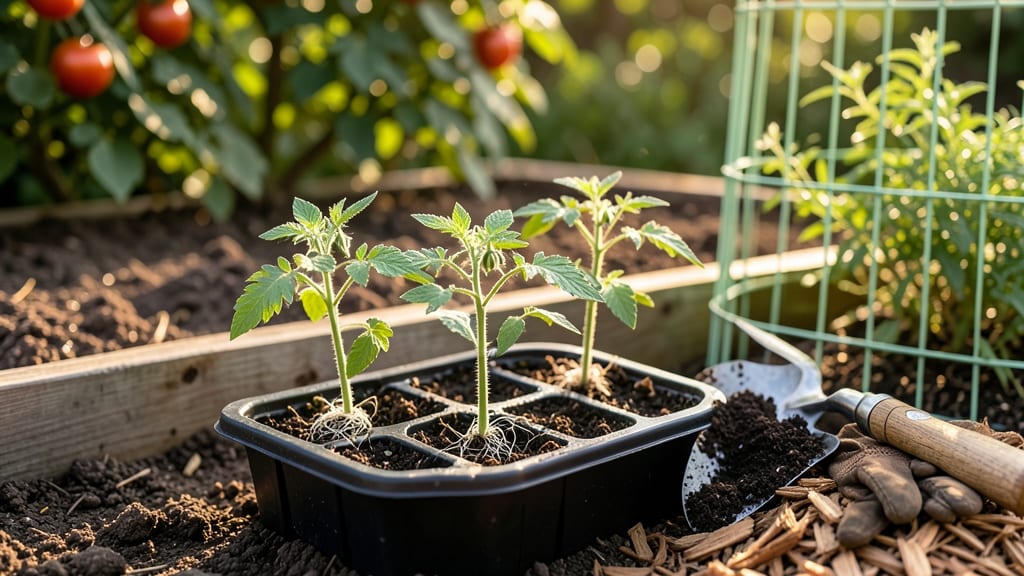
Planting tomatoes in Massachusetts isn't just about grabbing seeds and sticking them in the ground—it's about timing your moves perfectly to beat frost and maximize your harvest.
With last-frost dates ranging from mid-April in southern regions to late April in Boston, even a week's delay can mean the difference between a thriving 🍅 plant and a sad, frost-nipped seedling.
If you're eager to start your garden but don't want to risk losing your hard work, you're not alone. Many Massachusetts gardeners struggle with unpredictable weather, especially in zones like 5b-7a where frost can linger longer.
The key is knowing when to start seeds indoors and when to transplant them outdoors—without guessing.
In this guide, I’ll break down the exact planting windows for your region, share backup strategies for late frosts, and recommend the best tomato varieties that thrive in New England’s climate.
Whether you're a first-time gardener or a seasoned pro, these tips will help you grow healthier, more productive tomato plants all season long.
Ready to turn your garden into a tomato powerhouse? Let’s get started with the first critical step: knowing when to plant.
Massachusetts last-frost dates by region: when to plant tomatoes safely
Massachusetts' last-frost dates vary dramatically by region, making timing critical for tomato success.
In Boston and Eastern MA, the average last frost occurs around May 10-15, while Western MA mountains often see frost until May 25-30. Cape Cod and the Islands warm up earlier, typically by April 25-May 5, giving gardeners a head start.
These dates aren't set in stone—microclimates (like urban heat islands or sheltered valleys) can shift them by 1-2 weeks. Always verify with NOAA frost maps or local Cooperative Extension data before planting.
For container-grown tomatoes, wait an extra 7-10 days after your region's last frost since pots warm up slower.
🌱
| Region | Avg Last Frost | Safe Planting Window | Soil Temp Threshold |
|---|---|---|---|
| Boston & Eastern MA | May 10-15 | May 20-30 | 60°F+ |
| Western MA (Pioneer Valley) | May 15-25 | June 1-10 | 60°F+ |
| Cape Cod & Islands | April 25-May 5 | May 10-20 | 55°F+ |
| Central MA (Worcester) | May 12-20 | May 25-June 5 | 60°F+ |
| North Shore (Gloucester) | May 15-22 | May 25-June 2 | 60°F+ |
*Dates based on 30-year averages; verify with local sources before planting.
Don't rely solely on calendar dates—soil temperature is just as important as air temperature. Tomatoes thrive when soil reaches 60°F, which can lag behind air warming by 1-2 weeks. Use a soil thermometer to confirm readiness, especially in cooler inland areas like the Berkshires.
For early planting, consider black plastic mulch or row covers to warm soil faster. These methods can shave 10-14 days off your planting timeline by trapping heat. Just remember to remove covers during the day once plants are established to prevent overheating.
🌡️
If you're starting tomatoes indoors (which I recommend for early varieties), begin seeds 6-8 weeks before your region's last frost. For Boston gardeners, that means mid-March to early April, while Western MA gardeners should wait until late March to early April.
Use grow lights for 12-16 hours/day to prevent leggy seedlings.
Pro tip: Mark your calendar for Mother's Day weekend (May 10-12) as a general guideline—this is when most of Massachusetts sees its last frost. But always have a backup plan (like row covers) in case late frosts strike, which they often do in May.
📅
5 Backup strategies for late frost or unpredictable weather
Massachusetts’ unpredictable spring weather can throw off even the best-laid planting plans. A late frost in May or chilly nights in June can devastate young tomato seedlings if you’re not prepared.
The good news? With these 5 backup strategies, you can protect your plants and still enjoy a bountiful harvest—no matter what Mother Nature throws your way.
First, always have a row cover (floating fabric) on hand. These lightweight, breathable covers raise temperatures by 5-8°F and shield seedlings from frost while allowing sunlight and water to pass through.
They’re especially useful for early transplants in cooler regions like Western MA or Northern MA, where frost can linger into May.
For gardeners in Zone 5b or areas prone to late frosts, consider a cold frame. A cold frame is essentially a mini greenhouse—clear plastic or glass over a wooden frame—that traps heat during the day and releases it slowly at night.
It can extend your planting window by 2-3 weeks and even allow you to plant earlier varieties like 'Stupice' or 'Mountain Merit'.
🌱 5 Backup Strategies for Late Frost
- Row Covers: Raise temps by 5-8°F, protect from light frost (28°F).
- Cold Frames: Extend season by 2-3 weeks, ideal for Zone 5b.
- Black Plastic Mulch: Warms soil 3-5°F, speeds germination 2x faster.
- Cloches: Individual plant protectors for sensitive seedlings (32°F tolerance).
- Greenhouse Alternatives: Low-cost hoop houses for full-season extension.
If you’re dealing with cold soil delaying germination, black plastic mulch is a game-changer. This simple technique warms the soil by 3-5°F and can speed up germination by up to 2x.
Lay it down 2-3 weeks before planting to give your soil a head start, especially in cooler microclimates like Cape Cod or Boston suburbs.
For individual plants that need extra protection, cloches (glass jars or plastic domes) are a budget-friendly solution. They create a microclimate around each seedling, allowing you to plant 1-2 weeks earlier without risk. Just remove them during the day once temperatures rise above 50°F to prevent overheating.
Finally, if you’re serious about beating frost, invest in a low-cost hoop house or greenhouse.
Even a simple PVC pipe frame with plastic sheeting can extend your growing season by 4-6 weeks, letting you plant heirloom varieties like 'Brandywine' or 'Cherokee Purple' that need more time to mature in MA’s short season.