
Plants
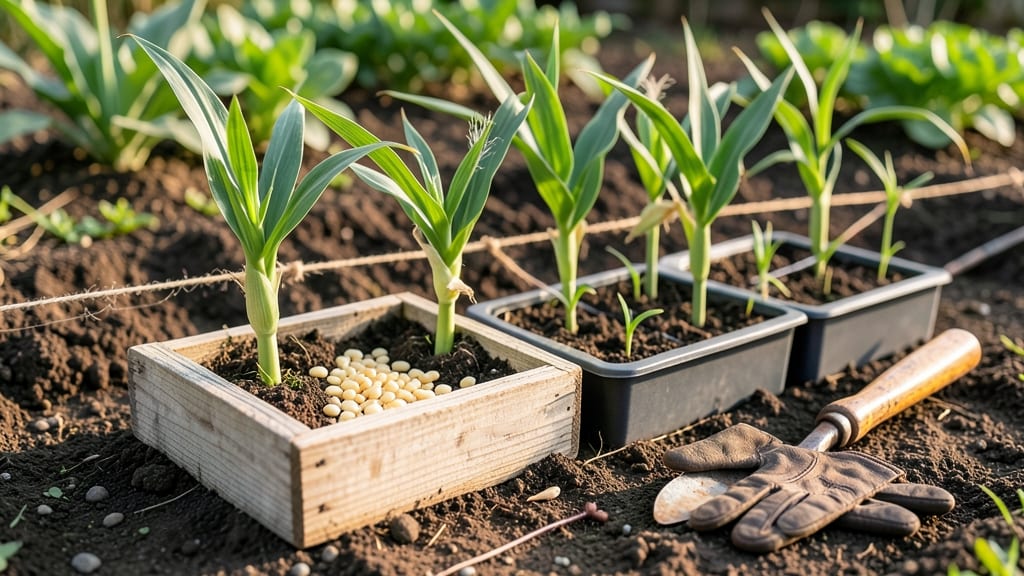
Planting corn in Illinois at the wrong time means missing out on juicy, homegrown ears—or worse, watching your crop fail before it even starts.
With USDA Zone 5b frost dates looming, timing is everything, and getting it right can mean the difference between a bumper harvest and a wasted season.
Most Illinois gardeners know corn thrives in warm soil, but few realize the ideal window is narrower than you think. Between mid-April and early June, you’ve got a 6-week sprint to get seeds in the ground before summer heat sets in—or risk stunted plants and poor yields.
The key? Waiting until the soil hits 60°F and at least two weeks after the last frost.
Why does this matter so much? Corn is sensitive to cold snaps, and planting too early can leave seedlings vulnerable to frost damage. Meanwhile, waiting too long cuts your harvest window short, especially if you’re growing varieties that need 75-120 days to mature.
I’ll break down the exact frost dates, soil prep tips, and variety recommendations tailored for Illinois’ unpredictable spring weather.
Whether you’re growing sweet corn for summer meals or field corn for livestock, getting the timing right is the first step to a successful crop. Let’s dive into the exact schedule that’ll have your garden producing ears instead of empty stalks by harvest season.
Illinois corn planting timeline by USDA Zone 5b frost dates
Corn thrives in Illinois' warm summers, but timing is everything. The last spring frost typically hits around April 15 in USDA Zone 5b, but soil needs to warm to 50°F+ before planting.
For sweet corn, this usually means waiting until mid-April to early May—never rush it! Cold soil stunts roots and delays growth.
Missed the spring window? Don’t panic! You can still plant late-season varieties in early June for a fall harvest. Just choose shorter-maturing hybrids (60–75 days) to beat the first frost around October 15. The key is balancing frost risk with harvest timing—aim for 165 frost-free days minimum.
Soil temperature is your best guide. Use a soil thermometer to confirm 60°F+ at 4-inch depth. In northern Illinois, this often aligns with late April, while southern Illinois may start as early as mid-April. Planting too soon? Seedlings rot. Planting too late? Smaller ears.
Here’s your Illinois corn planting timeline broken down by phase, with frost dates, soil temps, and ideal windows for maximum yield:
| Stage | Action | USDA Zone 5b Timeline | Soil Temp | Notes |
|---|---|---|---|---|
| Prep Soil | Test pH (6.0–7.0), add compost, till to 6" | March–early April | 40°F+ | Avoid fresh manure—wait 3 months. |
| Plant Early Varieties | Direct-seed (1" deep, 4" apart) | Mid-April (northern IL) / Late April (southern IL) | 50°F+ | Use black plastic mulch to warm soil faster. |
| Plant Mid-Season | Direct-seed (1" deep, 6" apart in rows 30" apart) | Early May | 60°F+ | Best for sweet corn—aim for 75-day varieties. |
| Plant Late-Season | Direct-seed (1" deep, 6" apart) | Early June | 65°F+ | Choose 60-day varieties for fall harvest. |
| Harvest Window | Pick when silks brown, kernels milky | Late July–early October | N/A | Morning harvest = sweeter ears. |
| First Frost Risk | Protect plants or harvest before October 15 | Mid-October | N/A | Cover with row fabric for 2–3 weeks extension. |
Pro tip: In northern Illinois, where frosts linger, opt for early-maturing hybrids like 'Silver Queen' (70 days) or 'Peaches and Cream' (75 days). For southern Illinois, you can push to late May with heat-tolerant varieties like 'Bodacious' (85 days) or 'Ambrosia' (78 days).
Remember, corn is sensitive to cold. If nighttime temps dip below 50°F after planting, use row covers or wait another week. The first 2 weeks are critical—getting roots established prevents stunted growth later. Don’t skip soil prep either; well-draining, fertile soil is non-negotiable for ear development.
For successive planting, stagger seeds every 2 weeks in May to extend your harvest. This works especially well for home gardens with limited space. Just mark your planting dates on a calendar—trust me, you’ll thank yourself at harvest time!
One common mistake? Planting too densely. Corn needs space to breathe—4–6 inches apart in rows 30–36 inches apart. Crowding leads to poor air circulation, increasing fungal diseases like corn smut or gray leaf spot.
How to adjust corn planting for Illinois weather variations
Illinois weather is famously unpredictable—one day you’re planting corn, the next you’re dealing with a surprise frost that could wipe out your seedlings. The key to success? Flexibility.
I’ve learned the hard way that rigid planting schedules don’t work here; you need strategies to adapt when Mother Nature throws curveballs like late frosts or sudden heatwaves.
For example, if your last frost date slips past mid-April (which happens often in northern Illinois), don’t panic. Shift to heat-tolerant varieties or consider a row cover for early plantings.
The goal is to ensure your corn reaches 60°F soil within 2-3 weeks of planting—this is when roots establish properly and seedlings won’t rot.
Here’s where most Illinois gardeners go wrong: they plant too early to "beat the frost," only to watch their seeds rot in cold, wet soil. Corn seeds need consistent warmth to germinate, and waiting until the soil hits 50°F (with a 60°F target) makes all the difference.
Use a soil thermometer—it’s the only way to know for sure.
⚠️ Late Frost Protection Tips
- Use row covers for 2-3 weeks after planting if frost is forecasted.
- Avoid overhead watering before dawn—wet leaves freeze faster.
- Choose early-maturing varieties (60-75 days) for northern Illinois.
- Plant near windbreaks (fences, hedges) to reduce frost damage.
Cold snaps after planting can stall growth by 10-14 days—plan accordingly.
Another critical adjustment is soil moisture management. Illinois springs often bring heavy rains, which can lead to compacted soil and poor drainage. If your garden stays soggy, amend with compost or sand to improve aeration.
On the flip side, drought stress during tasseling (when pollen forms) can reduce yields by 30%, so mulch heavily to retain moisture.
For gardeners in southern Illinois (Zone 6b), you’ve got a slightly longer window to plant fall corn varieties like 'Silver Queen' or 'Peaches and Cream.' These can be direct-sown as late as early July and still mature before the first frost.
Just be prepared to water deeply as summer heat ramps up—corn needs 1-2 inches of water per week during this phase.
Finally, watch for unpredictable heatwaves in May or June. If temperatures soar above 90°F before your corn has developed ears, consider shade cloth or planting in partial shade (though yield will drop).
The good news? Corn is resilient—if you’ve got the timing right, even a few hot days won’t derail your harvest.