
Plants
Planting potatoes in Missouri isn't just about tossing seed potatoes into the dirt—it’s about timing your 🥔 harvest to outsmart the state’s unpredictable weather, whether you’re in St. Louis or Kansas City.
Too early, and a late frost will wipe out your crop; too late, and you’ll miss the sweet spot for a full-season yield.
The key lies in understanding your local frost dates and soil conditions, but even then, Missouri’s microclimates mean what works in one county might fail just 50 miles away.
Most Missouri gardeners swear by early spring planting, typically between mid-March and early April, once the soil warms to at least 45°F.
But if you’re eyeing a fall harvest, late September or early October can still yield a crop—if you choose the right varieties and protect them from early freezes. The challenge? Balancing risk and reward, especially when spring rains or summer heat throw off your plans.
In this guide, I’ll break down the best planting windows for your specific region, from St. Louis’s urban heat islands to the cooler hills of the Ozarks. You’ll learn how to adjust for soil temperature, frost forecasts, and even how to extend your growing season with simple tricks.
Whether you’re a first-time gardener or a veteran with a few failed attempts under your belt, these insights will help you plan for success—no guesswork required.
Ready to dig in? Let’s turn Missouri’s variable climate into your advantage and grow potatoes that rival the best from the grocery store—without the price tag. Your spud harvest starts here.
Missouri potato planting calendar: best early spring dates by region
Missouri’s USDA Zones 5-6 offer two prime potato planting windows: early spring and late fall. For most gardeners, spring planting yields the highest success rates, but timing varies by region.
The key is planting 2-3 weeks after the last frost, when soil temperatures reach 45°F (7°C)—critical for sprout growth. Rural areas like Northeast Missouri often see earlier frost-free dates than St. Louis or Kansas City, so adjust accordingly.
Missouri’s average last frost dates range from mid-April in southern counties to late April in northern regions. However, frost can linger unpredictably, so always check the Missouri Botanical Garden’s frost forecast or local USDA Plant Hardiness Zone Map.
Planting too early risks frost damage to sprouts, while waiting too long may shorten the growing season for late varieties.
Here’s how to pinpoint your ideal planting window based on Missouri’s microclimates:
| Region | USDA Zone | Last Frost Date | Ideal Planting Window | Soil Temp Threshold |
|---|---|---|---|---|
| St. Louis Area | Zone 6a | April 15–20 | April 25–May 10 | 45–50°F (7–10°C) |
| Kansas City Area | Zone 6a | April 10–15 | April 20–May 5 | 45–50°F (7–10°C) |
| Northeast Missouri (e.g., Columbia) | Zone 5b | April 20–25 | May 1–15 | 45–50°F (7–10°C) |
| Southwest Missouri (e.g., Springfield) | Zone 6b | April 5–10 | April 15–25 | 45–50°F (7–10°C) |
For early varieties like Yukon Gold or Red Pontiac, aim for the earliest window (e.g., late April in St. Louis).
These mature in 70–90 days, giving you a harvest before summer heat stress. Late varieties such as Russet Burbank need the full season, so plant them 2–3 weeks later to avoid blight risks in Missouri’s humid summers.
Missouri’s soil temperature is your best guide. Use a soil thermometer to confirm readiness—potatoes won’t sprout well in cold soil. If temperatures dip below 40°F (4°C), delay planting or use row covers to protect young sprouts.
Pro tip: Plant in warm, well-drained soil (sandy loam works best) to prevent rot.
Don’t overlook container gardening for urban gardeners. Containers warm up faster than ground soil, letting you plant 1–2 weeks earlier in St. Louis or Kansas City. Just ensure pots have drainage holes and use a lightweight potting mix to avoid waterlogging.
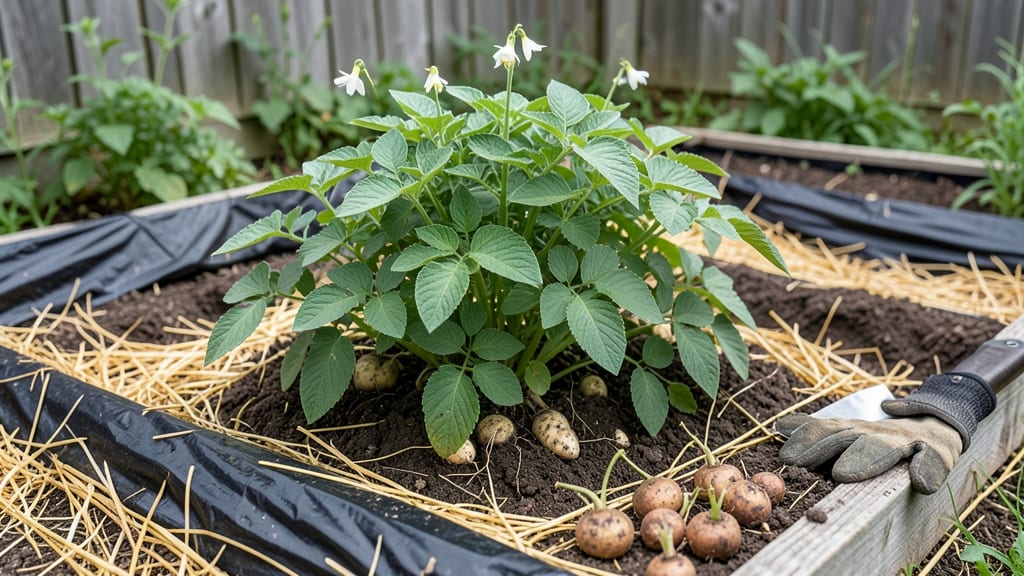
After planting, maintain consistent moisture—potatoes need 1–2 inches of water weekly—but avoid soggy soil. Mulch with straw or grass clippings to retain moisture and suppress weeds. In Missouri’s heat, mulch also keeps soil temps stable, preventing scab disease (a common potato issue in humid summers).
Harvest time varies by variety but typically falls between late June and September. Early potatoes (like New Potatoes) can be dug 60–70 days after planting, while storage varieties need 90–120 days. Watch for yellowing foliage and firm tubers—these are your cues to dig!
Missouri’s climate rewards patient gardeners. By aligning your planting with local frost dates, soil temps, and variety maturity, you’ll enjoy a bountiful harvest—whether you’re growing for fresh eating or storing through winter. Start planning now, and your spuds will thank you! 🥔
Missouri potato planting calendar: best early spring dates by region
Missouri’s diverse climate means your potato planting window can shift dramatically depending on whether you’re in St. Louis, Kansas City, or the Ozark foothills. Most gardeners aim for mid-March to early April, but soil temperature—not just calendar dates—dictates success.
In USDA Zones 5-6, potatoes need soil at 45°F or warmer to sprout reliably, and frost dates vary by 10-14 days across regions.
For St. Louis (Zone 6a), the safest window is late March to mid-April, when the last frost typically occurs around April 15. In Kansas City (Zone 6b), you can plant 1-2 weeks earlier (early March), thanks to warmer urban microclimates.
Rural areas in the Ozarks (Zone 5b) should wait until mid-April to avoid late frosts, which can kill young plants.
Here’s how to align your planting with Missouri’s regional quirks:
Pro tip: Use a soil thermometer to confirm readiness—cold soil slows germination, even if the calendar says it’s spring. If temperatures dip below 40°F, wait 1-2 weeks.
For early varieties like Yukon Gold, plant 2 weeks before your region’s last frost date; for late varieties like Russet, wait until 2 weeks after to ensure tubers mature before frost.
Missouri’s variable rainfall also plays a role. If spring showers delay planting, opt for container growing—potatoes thrive in 12-inch-deep containers and let you control moisture. Just ensure pots have drainage holes to prevent rot, a common issue in Missouri’s damp springs.
Don’t overlook seed potato quality. Certified disease-free seed potatoes (not grocery store spuds) give you a 90%+ success rate. Cut larger seed potatoes into 2-inch chunks with at least 2-3 eyes each, let them cure for 24 hours, and plant with the eyes facing up.
This simple step boosts your yield by 30%.
For gardeners in Zone 5b, consider straw mulch after planting to insulate soil and protect young sprouts. In warmer zones, a light row cover can shield plants from late frosts while letting sunlight through. Both tricks extend your planting window by 1-2 weeks without risking frost damage.