
Plants
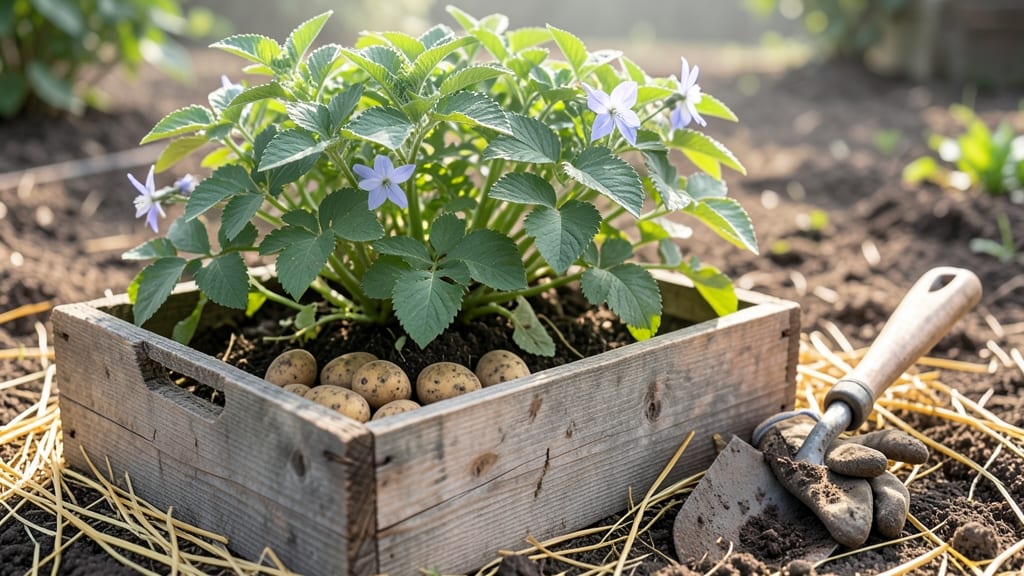
Planting potatoes in Zone 6 at the right time can mean the difference between a bountiful harvest and a total flop.
Too early, and frost will turn your tender sprouts to mush; too late, and you’ll miss the sweet spot for maximum tuber growth before the first frost hits in October.
I’ve learned the hard way that timing isn’t just about dates—it’s about soil temperature, variety selection, and even a little frost protection when needed.
Whether you’re a first-time gardener or a seasoned grower, knowing when to plant your 🥔 potatoes in Zone 6a-6b is the key to unlocking a garden full of crisp, flavorful spuds.
Most gardeners in Zone 6 start planting as soon as the soil is workable—typically 2-4 weeks before the last frost, which usually lands in mid-April. But cold-hardy varieties like Yukon Gold or Kennebec can handle even earlier starts, giving you a head start on the growing season.
In this guide, I’ll walk you through the best planting windows, soil prep tips, and even how to stretch your harvest with succession planting. Let’s get those potatoes in the ground the right way!

Optimal planting windows for potatoes in Zone 6 (with frost-resistant varieties)
In Zone 6, where last frost dates hover around mid-April, potatoes need a head start. The key is planting 4-6 weeks before your last frost date—typically late March to early April—when soil temperatures reach 45°F (7°C).
This early window gives cold-hardy varieties like Yukon Gold or Kennebec time to establish roots before summer heat arrives.
For gardeners eager to start even earlier, late February plantings are possible with frost protection like row covers or cold frames. These methods shield young plants from unexpected frosts, allowing you to plant 2-3 weeks before the traditional window. Just ensure your soil isn’t waterlogged—potatoes hate soggy roots!
Here’s the golden rule: Soil temperature matters more than air temperature. Use a soil thermometer to confirm it’s at least 45°F (7°C) before planting. Cold soil slows germination, leaving your potatoes vulnerable to rot or frost damage.
Zone 6’s 165 frost-free days create a tight schedule. Early varieties like Red Norland (70 days) can be planted first, followed by mid-season types like Russet (90 days) and late varieties like Purple Viking (120 days) in staggered plantings.
Fall planting is also an option in Zone 6! Plant seed potatoes in late August for a harvest before the first frost. Choose fast-maturing varieties like Irish Cobbler (60 days) to ensure tubers mature before temperatures drop.
🌱
🌱 Zone 6 Potato Planting Summary
| Planting Window | Soil Temp | Varieties | Days to Harvest |
|---|---|---|---|
| Late March–Early April | 45°F+ (7°C+) | Yukon Gold, Kennebec | 90–120 days |
| Late February (with frost protection) | 40°F+ (4°C+) | Red Norland, Irish Cobbler | 60–90 days |
| Late August (fall crop) | 50°F+ (10°C+) | Purple Viking, Irish Cobbler | 60–80 days |
🌿 Pro Tip: Chit seed potatoes indoors 4–6 weeks before planting to jumpstart growth!
If you’re unsure about your last frost date, check your local USDA Plant Hardiness Zone Map or ask your cooperative extension service. Zone 6 spans a wide range—from 6a (0–5°F) to 6b (5–10°F)—so adjust your timing based on your specific microclimate.
For organic gardeners, mulching with straw after planting helps regulate soil temperature and retain moisture. This is especially useful in Zone 6’s variable spring weather, where cold snaps can linger into April.
Remember: Potatoes need consistent moisture but hate waterlogged soil. Aim for 1–1.5 inches of water per week, delivered in the morning to prevent fungal diseases like blight. In Zone 6’s humid summers, this is non-negotiable!
Finally, mark your calendar for harvest time, which typically falls between late July and early October, depending on your variety. Early harvests (like new potatoes) can begin as soon as 60 days after planting!
☀️
Optimal planting windows for potatoes in Zone 6 (with frost-resistant varieties)
In Zone 6, the best time to plant potatoes is as soon as the soil reaches 45°F (7°C) and is workable—typically 2-4 weeks before the last frost date (around mid-April).
This early start gives cold-hardy varieties like Yukon Gold or Kennebec a head start, while also allowing time for tubers to mature before the first frost in October.
Some gardeners even plant seed potatoes in late winter (February) under frost protection, like row covers or cold frames. This technique lets you harvest new potatoes 60-70 days earlier than traditional spring plantings, extending your growing season dramatically.
| Planting Window | Soil Temp | Best Varieties | Frost Risk |
|---|---|---|---|
| Late Winter (Feb) | 40-45°F (4-7°C) | Yukon Gold, Kennebec | High (use row covers) |
| Early Spring (Mar-Apr) | 50-55°F (10-13°C) | Red Norland, Purple Viking | Moderate (plant 2-4 weeks before last frost) |
| Late Summer (Aug) | 60°F+ (16°C+) | Irish Cobbler, Fingerlings | Low (harvest before frost) |
For late-season harvests, consider planting short-day varieties like Purple Viking in late summer (August). These potatoes mature quickly (70-90 days) and can be harvested before the first frost, giving you a second crop in the same season.
When planting, place seed potatoes 4 inches deep and 12 inches apart in rows spaced 3 feet apart. This spacing allows for proper airflow and reduces disease risk, which is critical in Zone 6’s humid summers.
Always use certified disease-free seed potatoes to avoid blight and other common potato diseases.
Mulch heavily with straw or grass clippings once plants reach 6 inches tall. This keeps soil temperatures stable, retains moisture, and prevents green potato skins (which contain toxic solanine). Mulching also helps suppress weeds, saving you time and effort later in the season.
Remember: Soil temperature matters more than air temperature. Use a soil thermometer to confirm readiness—potatoes won’t sprout until the soil warms to at least 45°F (7°C). If your soil is still too cold, wait a few weeks or use black plastic mulch to warm it faster.