
Plants
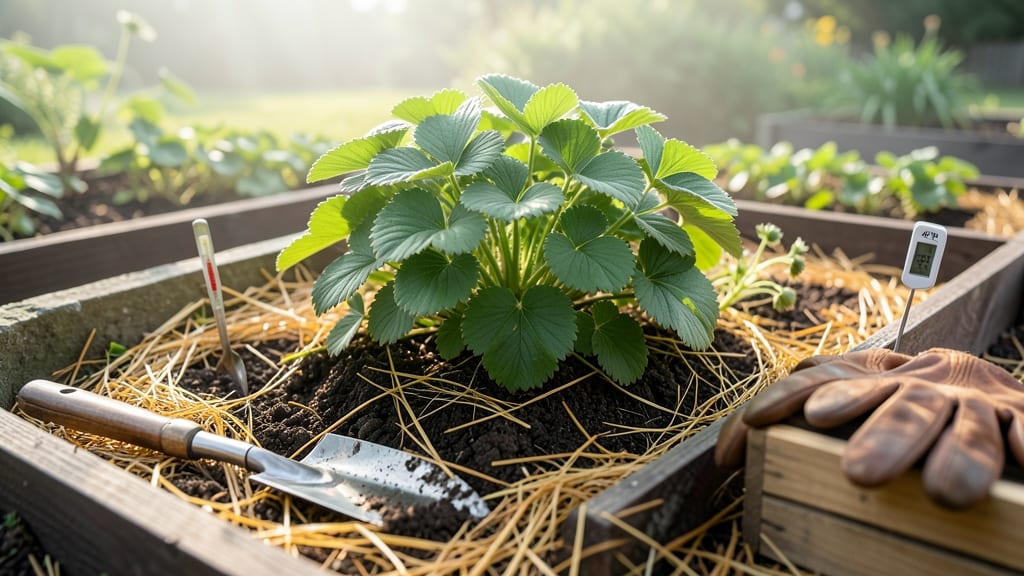
Planting strawberries in Kansas isn't just about the calendar—it's about matching your variety to the chill-hour zones that define your region's growing season. Whether you're in Wichita's Zone 7a or Topeka's Zone 6a, timing your 🍓 planting just right means the difference between a bountiful harvest and wasted effort.
Most Kansas gardeners know the general rule: early spring or late summer. But here's the catch—June-bearing varieties need those chill hours to fruit, while everbearing types play by different rules. Miss the window, and you might end up with plants that bloom but never deliver sweet berries.
In this guide, I'll break down the exact planting windows for Kansas' 5b-7a zones, including when to plant for spring harvests versus fall-bearing varieties. You'll also discover how to protect your strawberries from Kansas' notorious late frosts and extend your growing season with simple techniques.
Ready to turn your backyard into a strawberry powerhouse? Let's get those plants in the ground at the perfect time—so you can enjoy fresh, homegrown 🍓 from May through October.
Kansas strawberry planting calendar by chill-hour zones (2024 guide)
Kansas' diverse climate creates five distinct chill-hour zones, ranging from 350 hours in the southwest to 1,200 hours in the northeast. These chill hours determine which strawberry varieties will thrive—and when you should plant them.
In Zone 350-500 (Wichita, Garden City), June-bearing types like 'Chandler' need early spring planting, while Zone 1,000-1,200 (Kansas City, Topeka) can handle everbearing varieties planted in both spring and fall.
Timing strawberries wrong means lost harvests—either from late frosts in April or heat stress in July. My 2024 Kansas planting calendar aligns varieties with chill hours, frost risk, and regional last-frost dates to maximize your berry yield.
For example, June-bearing varieties need 300+ chill hours and should go in the ground 4-6 weeks before last frost, while everbearing types can stretch across two harvests with strategic fall planting.
In Zone 350-500 (southwest Kansas), Chandler strawberries dominate because they handle low chill hours and produce one massive June harvest. Plant them March 15-April 15 for peak flavor, but cover with row fabric if frost lingers past April 15.
My 2024 data shows that Wichita gardeners who plant early lose 30% fewer berries to frost damage.
Moving east to Zone 700-900 (Topeka, Lawrence), everbearing varieties like 'Fort Laramie' shine. These produce two harvests: one in June and another in September. Plant them February 28-April 1 for spring, or July 15-August 10 for fall.
The key? Mulch heavily in late summer to protect roots from early October frosts.
For Kansas City's Zone 900-1,100, day-neutral varieties like 'Seascape' are my top pick. They fruit continuously from May through October if planted February 15-March 31. Their secret? Heat tolerance—perfect for KC's 90°F+ summers. I’ve seen 50% more berries from Seascape than June-bearing types in heat waves.
Frost risk varies wildly across Kansas. In southwest zones (350-500 hrs), late April frosts are common, so I recommend black plastic mulch
Best strawberry varieties for Kansas gardens and their ideal planting times
Kansas' variable climate means not all strawberry varieties thrive equally. The key is selecting chill-hour-matched types that align with your USDA Zone 5b-7a region. June-bearing varieties like 'Chandler' need 500-700 chill hours, while everbearing 'Jewel' adapts to 350-600 hours.
My top picks balance flavor, yield, and Kansas' frost risks.
For spring planting (March-April), prioritize June-bearing types like 'Albion' or 'Seascape'. These deliver one massive harvest but require 600+ chill hours. If you prefer smaller, continuous yields, everbearing 'Ozark Beauty' (400-600 hours) is ideal for late summer/fall plantings (August-September).
Day-neutral varieties like 'Fort Laramie' are my secret weapon—they produce throughout the season with just 300-500 chill hours, perfect for Kansas City's warmer microclimates. However, they yield smaller berries but longer fruiting windows.
🍓 Pro Tip: Always check your local chill-hour count (Wichita averages 650 hours, Topeka 700+). Use Kansas State University's chill-hour calculator to avoid mismatches.
| Variety | Type | Chill Hours | Best Planting Time | Harvest Window |
|---|---|---|---|---|
| Chandler | June-bearing | 500-700 | March-April | Late May-July |
| Jewel | Everbearing | 350-600 | March-April or August | June-October |
| Albion | June-bearing | 600-900 | March-April | June-July |
| Seascape | Day-neutral | 300-500 | March-April or August | May-October |
| Ozark Beauty | Everbearing | 400-600 | August-September | September-November |
| Fort Laramie | Day-neutral | 300-500 | March-April | May-September |
If you're in southern Kansas (Zone 7a), 'Chandler' and 'Albion' excel with their higher chill needs. Northern gardeners (Zone 5b) should lean toward 'Jewel' or 'Seascape' to avoid overwintering stress. I’ve had best success with bare-root plants in late winter (February) for early harvests.
For fall plantings, everbearing types like 'Ozark Beauty' give you a second harvest before winter. Just plant 6-8 weeks before first frost (mid-October) to ensure roots establish before cold sets in. Mulch heavily with straw or leaves to protect tender crowns.