
Plants
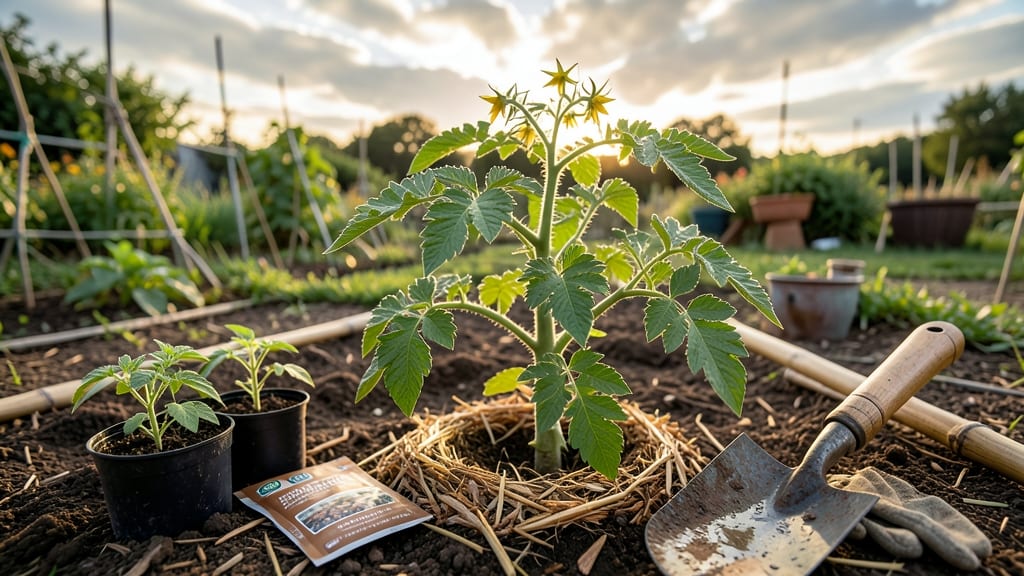
Planting your 🍅 tomatoes at the wrong time in Oklahoma could mean the difference between a garden full of ripe fruit and a sad, frost-nipped disappointment.
The key to success lies in understanding your Heat Zone 7b deadlines, which balance the risk of late frosts with the threat of summer's scorching heat.
For Oklahoma gardeners, timing is everything—especially when you're working with 180-210 frost-free days to grow a full season of tomatoes.
Waiting until after your last frost (typically around March 15) ensures your seedlings won't get shocked by cold snaps, but planting too late can leave you scrambling to harvest before the first frost in November.
In this guide, I'll walk you through the exact planting window for your zone, how to prepare your soil for optimal growth, and proven strategies to extend your harvest—so you can enjoy homegrown tomatoes from June all the way through October.
Whether you're starting from seeds or buying transplants, avoiding these common mistakes will help you beat Oklahoma's unpredictable weather and grow a garden full of juicy, vine-ripened tomatoes.
Oklahoma heat zone 7b tomato planting deadlines: frost-free to summer scorch timeline
Oklahoma’s Heat Zone 7b climate creates a tight window for planting tomatoes—too early risks frost damage, while late starts may scorch plants before harvest. The last average frost date for most of Oklahoma falls around March 15, but soil warmth is the real deadline.
Tomatoes need soil temperatures above 60°F and nighttime temps above 50°F to thrive.
For transplants, aim to plant between April 15 and May 15—this ensures roots establish before Oklahoma’s summer heat peaks in June. If you’re starting seeds indoors, begin them 8-10 weeks before your last frost date (around February 1 for most regions).
🌱
| Stage | Action | Key Details |
|---|---|---|
| Indoor Seed Start | Sow seeds | Feb 1 - Feb 15 (8-10 weeks before last frost) |
| Transplant Hardening | Acclimate seedlings | 2 weeks before outdoor move |
| Outdoor Planting | Transplant or direct sow | April 15 - May 15 (soil 60°F+) |
| Frost Watch | Protect plants | Cover with frost cloth if temps drop below 50°F |
| Harvest Window | Pick regularly | June - October (60-90 days after planting) |
Oklahoma’s microclimates complicate timing—northern regions (like Enid) may wait until May 1, while southern areas (like Oklahoma City) can plant as early as April 1. Check your local USDA zone (most of Oklahoma is 7a-7b) and use a soil thermometer to confirm readiness.
Planting too early risks cold soil shock, while late starts may lead to blossom drop from summer heat.
For late starts, opt for heat-tolerant varieties like 'Heatmaster' or 'Solar Fire', which handle Oklahoma’s 90°F+ days better than traditional types. These varieties also resist sunscald, a common issue when tomatoes bake in intense afternoon sun.
💧
If your spring is slow, use black plastic mulch or row covers to warm soil faster. Remove covers once plants are established to prevent heat stress. For fall planting, try cold-hardy varieties like 'Stupice' and plant in late July for a September-October harvest before early frosts arrive.
Pro tip: Oklahoma’s windy conditions can stress young tomato plants. Use windbreaks or stakes immediately after planting to support growth. Monitor weather forecasts for sudden cold snaps—even in May, a 32°F night can devastate unprotected plants.
✂️
How to extend Oklahoma tomato seasons: staggered planting, cold frames, and heat tolerant varieties
Oklahoma’s 180-210 frost-free days can feel like a short window for tomato lovers, but with the right strategies, you can stretch your harvest from early summer to late fall. The key is staggered planting—a technique that lets you enjoy tomatoes for months instead of just a few weeks.
Start your first batch of transplants as soon as soil temperatures hit 60°F (usually mid-April), then follow up with successive plantings every 2-3 weeks until early June. This way, you’ll have continuous fruit production instead of one big harvest all at once.
For early starts, use cold frames or row covers to protect seedlings from late frosts. These simple structures raise soil temperatures by 5-10°F, giving your plants a head start. Just remove the covers once nighttime temps stay above 50°F consistently.
| Stage | Action | Tools/Varieties |
|---|---|---|
| Early Start (March) | Start seeds indoors or use cold frames | Heat mat, cold frame, 'Solar Fire' |
| First Planting (Mid-April) | Transplant seedlings after last frost | Row covers, 'Heatmaster' |
| Successive Plantings (May-June) | Add new plants every 2-3 weeks | Dwarf varieties, trellis |
| Late Summer (July-August) | Use shade cloth for heat protection | 30% shade cloth, mulch |
Heat-tolerant varieties like 'Heatmaster' or 'Solar Fire' are perfect for Oklahoma’s summers. These tomatoes thrive in 90°F+ temperatures and keep producing even when other varieties wilt. Pair them with drip irrigation to keep roots cool and consistent.
Don’t forget to mulch heavily with straw or grass clippings to retain moisture and regulate soil temperature. This simple step can mean the difference between wilting plants and a thriving harvest during Oklahoma’s hottest months.
With these techniques, you’ll enjoy homegrown tomatoes from June through October—or even later if you’re lucky with the weather. The secret? Plan ahead, stagger your plantings, and choose the right varieties for your climate.