
Plants
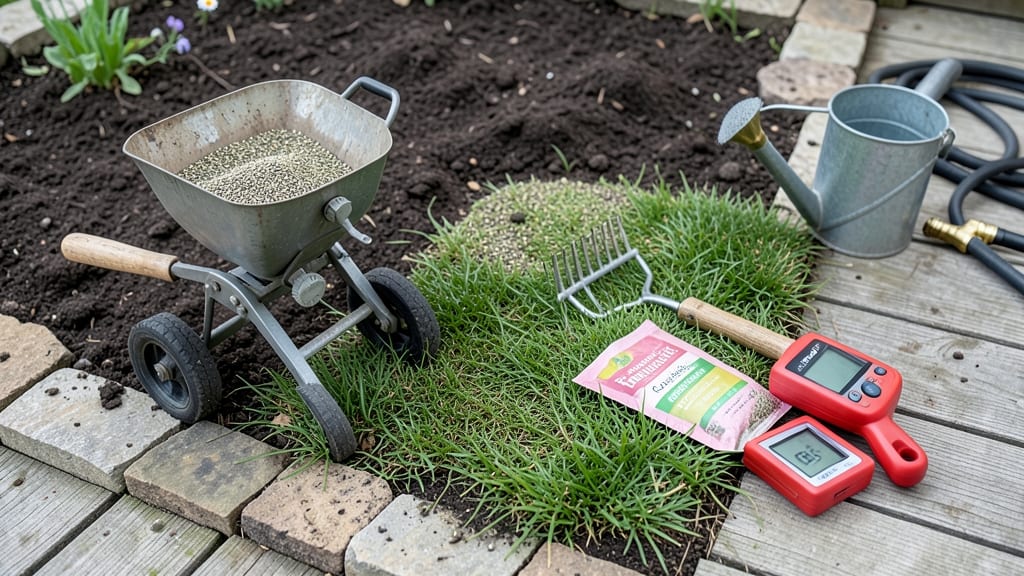
Timing your grass seed planting in Pennsylvania isn’t just about picking a month—it’s about beating the frost, outsmarting summer heat, and giving your 🌱 lawn the fighting chance it needs to thrive.
One wrong move, and you’ll end up with patchy growth, wasted seed, or a lawn that fades before it ever takes hold.
Here’s the truth: Pennsylvania’s 5b-7a zones mean your neighbor’s perfect spring planting might fail in your yard—and vice versa. The best windows (early spring or late summer/fall) hinge on soil temperatures, frost dates, and even your local microclimate. Skip the guesswork and plant when the odds are in your favor.
I’ll break down exactly when to drop those seeds—whether you’re in Pittsburgh’s humid valleys or Erie’s cooler shores—plus how to prep your soil and water like a pro. No more second-guessing, just a lush, year-round lawn that starts with the right timing.
Ready to stop playing lawn roulette? Let’s get your grass off to the fastest, most reliable start possible—no matter where you are in the Keystone State.
Pennsylvania grass seed planting timeline: soil temperature & frost-free windows
Timing your grass seed planting in Pennsylvania depends on two critical factors: soil temperature and your frost-free window. Pennsylvania spans USDA zones 5b-7a, meaning frost dates vary dramatically—from early April in Philadelphia to mid-May in Erie.
Planting too early risks frost damage, while waiting too long can lead to summer stress or weed competition.
For cool-season grasses (like Kentucky bluegrass and tall fescue), the ideal soil temperature for germination is between 55–65°F. In Pennsylvania, this typically aligns with early spring (March–April) or late summer/early fall (September–October).
Warm-season grasses (like Bermuda) need warmer soil, usually 65–75°F, which is rare in PA’s climate, making them less common for full lawns here.
Here’s how Pennsylvania’s regional frost dates break down by city, which directly impacts your planting window:
Regional Frost-Free Windows in Pennsylvania:
- Philadelphia: Last frost April 10, first frost October 15
- Pittsburgh: Last frost April 15, first frost October 20
- Erie: Last frost May 1, first frost October 5
- Scranton: Last frost April 20, first frost October 10
| Planting Window | Soil Temp Requirement | Best Months | Key Considerations |
|---|---|---|---|
| Early Spring | 55–65°F | March–April | Plant 4–6 weeks before last frost; avoid if soil is cold or frozen. |
| Late Summer/Fall | 55–65°F | September–October | Plant 4–6 weeks before first frost; seeds need 6–8 weeks to establish before winter. |
| Avoid | Below 50°F or above 75°F | May–August | High heat stress or dormancy risks; weeds outcompete seedlings. |
In Pennsylvania’s climate, fall planting often yields the best results because cooler temperatures reduce weed pressure and water stress. However, if you miss fall, early spring is your next best bet—just ensure the soil isn’t waterlogged from winter thaw.
Use a soil thermometer to confirm temperatures are in the 55–65°F range before planting.
Pro tip: If you’re in southern PA (zones 6b-7a), like Philadelphia or Lancaster, you can push your fall window slightly later (into early November) because frost arrives later.
But in northern PA (zones 5b-6a), like Erie or Scranton, aim to finish planting by mid-October to avoid winter kill.
Another critical factor is rainfall patterns. Pennsylvania’s spring can be unpredictable, with dry spells or heavy rains that can wash away seedlings. If you plant in spring, have a backup irrigation plan (like a soaker hose) to ensure consistent moisture.
In fall, rainfall is often more reliable, but early frosts can still catch you off guard.
For overseeding (adding seed to an existing lawn), the timing is slightly more flexible. You can overseed in late summer (August) to take advantage of warmer soil and cooler air, which reduces stress on your lawn.
Just avoid overseeding if summer heatwaves are forecasted, as seedlings can brown and die.
Finally, don’t forget to check your local extension office for microclimate adjustments. For example, valleys and low-lying areas in PA tend to have later frosts than hilltops.
If you’re unsure, err on the side of planting earlier in spring or later in fall—your grass will thank you with a thicker, greener lawn next season.
Ready to plant? Grab your soil thermometer, mark your frost-free dates, and get those seeds in the ground before the window closes! 🌱
How to prepare your Pennsylvania lawn for grass seed success
Once you’ve locked in your planting window, the real work begins: prepping your Pennsylvania lawn for seed success. Skipping this step is like planting seeds on concrete—no matter how good the seed, it won’t thrive.
In Pittsburgh’s humid summers or Erie’s cooler climate, proper prep means the difference between a lush lawn and a patchy disaster. Let’s tackle this step by step so your grass has the perfect foundation to grow.
Start by mowing your lawn as short as possible—about 1 inch—to eliminate competition from existing grass. This isn’t just about aesthetics; it’s about giving your new seed room to germinate without fighting for sunlight and nutrients.
Use a sharp mower blade to avoid tearing the grass, which can stress the lawn further. If your grass is already thin or dead, consider removing it entirely with a thatcher or raking to expose bare soil.
Now for the soil prep, which varies by region. In southern PA (like Philadelphia), where summers are hot and humid, focus on aerating compacted soil to improve drainage.
In northern PA (like Scranton), cooler temps mean your soil might stay damp longer—so prioritize adding compost to boost organic matter and prevent waterlogging. Test your soil’s pH level (ideal is 6.0–7.0 for most grasses) and amend it if needed with lime (to raise pH) or sulfur (to lower it).
- 🌱 Step 1: Mow Low – Cut grass to 1 inch to eliminate competition and expose soil.
- 🪣 Step 2: Rake Thoroughly – Remove debris and loosen top 1/4 inch of soil with a garden rake.
- ✂️ Step 3: Aerate (If Needed) – Use a core aerator in compacted areas (common in Pittsburgh and Philadelphia).
- 💧 Step 4: Test & Amend Soil – Adjust pH (6.0–7.0) and add compost (2–3 inches) for nutrients.
- 🌿 Step 5: Weed Control – Apply pre-emergent herbicide (if planting in spring) or pull weeds manually.
- 🔧 Step 6: Level the Soil – Fill low spots with topsoil and rake smooth for even seed distribution.
- ☀️ Step 7: Water Lightly – Moisten soil 1–2 days before seeding to encourage germination.
Weed control is non-negotiable, especially in Pennsylvania’s competitive growing conditions. If you’re planting in spring, apply a pre-emergent herbicide 2–4 weeks before seeding to block weeds. For fall planting, manual removal or a post-emergent herbicide (like vinegar-based sprays) works best.
Pro tip: Crabgrass thrives in PA’s heat—so act fast if you spot it before seeding. After prepping, level your soil by filling low spots with topsoil and raking until it’s smooth. Uneven ground leads to thin patches where seeds can’t make contact with the soil.
Finally, watering strategy makes or breaks your grass seed’s success. Before planting, water the soil lightly to settle dust and improve seed-to-soil contact. After seeding, keep the top 1/4 inch of soil consistently moist—like a damp sponge.
Use a sprinkler or soaker hose to deliver water slowly, avoiding heavy streams that can wash seeds away. In Erie’s cooler climate, morning watering prevents fungal growth, while Pittsburgh’s humidity means you’ll need to water more frequently to avoid crusting.
Aim for 1 inch of water per week, adjusting for rainfall.
With these steps, your Pennsylvania lawn will be ready for seed like a pro. The key is consistency—whether it’s soil prep, weed control, or watering discipline. Skip any of these, and you’re rolling the dice on a patchy, weak lawn.
But nail it, and you’ll have a thick, green carpet that’s the envy of your neighborhood—no matter where you are in the Keystone State.