
Trees
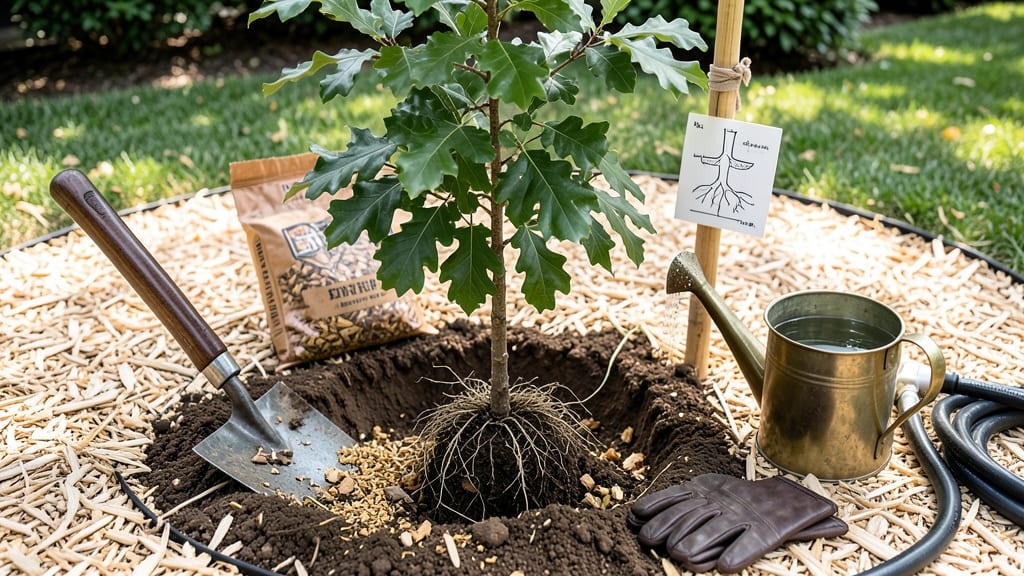
Planting a tree in North Texas at the wrong time can mean the difference between a thriving 🌳 shade provider and a struggling sapling that never takes root—soil temperatures and rainfall patterns are everything.
If you're ready to give your new tree the best chance for survival, timing is everything. North Texas's 8a climate zone offers two prime windows for planting: late fall to early spring, when cooler temperatures and natural rainfall help roots establish before summer heat arrives.
I've learned the hard way that planting too early in extreme heat or drought can stress young trees, while waiting too long might mean missed opportunities. Let me show you exactly when to plant for optimal survival—and how to prepare your site for success.
Whether you're planting a Live Oak or a fast-growing Cedar Elm, understanding these key factors will help you avoid common mistakes and set your tree up for long-term health. Let's get started!
North Texas planting windows: ideal soil temperatures & rainfall timing for tree survival
North Texas gardeners know timing is everything when planting trees. The USDA Zone 8a climate creates two ideal windows: fall (October-November) and spring (February-April). These periods offer cooler temperatures and moderate rainfall, reducing transplant shock while allowing roots to establish before extreme heat or cold.
Fall planting gives roots a 3-4 month head start before summer droughts. Spring planting avoids winter stress but requires careful watering as temperatures rise. Both windows align with North Texas' average annual rainfall of 30-35 inches, providing natural moisture support during critical root development.
Soil temperature is your most critical factor. Trees thrive when soil stays between 60-80°F. In North Texas, this typically occurs from mid-February through November, with December-January being too cold for most species. Always check soil temps with a soil thermometer before planting.
🌱
| Planting Window | Soil Temp Range | Rainfall Needs | Key Advantages |
|---|---|---|---|
| Fall (Oct-Nov) | 60-75°F | 1-2" monthly | Cooler temps reduce stress; roots establish before summer |
| Spring (Feb-Apr) | 65-80°F | 1-3" monthly | Avoids winter dormancy; aligns with natural growth cycle |
| Avoid (May-Sep) | Above 85°F | <1" monthly | Extreme heat causes transplant shock; drought stress |
🌳 North Texas Planting Windows Comparison
The fall window (October-November) is my top recommendation for North Texas. During this period, average temperatures drop to 50-70°F, giving young roots time to establish before summer heat arrives. The October-November rainfall average of 2-3 inches monthly provides natural hydration without over-saturation risks.
For spring planting, March-April offers the best balance. By this time, the last average frost date (March 15) has passed, and soil temperatures consistently stay above 65°F. However, be prepared for dry spells—supplemental watering becomes essential during April-May when rainfall often drops below 1 inch monthly.
Evergreen trees like Live Oak and Eastern Redbud handle fall planting exceptionally well, while fruit trees (like peach or plum) prefer spring's warmer soil for faster root development. Always match your tree species to North Texas' USDA Zone 8a hardiness requirements.
💧
One common mistake I see is planting bare-root trees in summer. The high evaporative demand during June-August (when temps often exceed 95°F) creates deadly conditions for newly planted roots.
Even container-grown trees struggle without daily deep watering during these months. Always check the Texas A&M AgriLife Extension for localized drought advisories before summer planting.
Pro tip: Use a soil moisture meter to verify when to water. In North Texas, topsoil should stay consistently moist but not waterlogged during the first 60 days after planting. For container-grown trees, the root ball must stay hydrated—never let it dry out completely before planting.
🌿
North Texas planting windows: ideal soil temperatures & rainfall timing for tree survival
North Texas' USDA Zone 8a climate creates two prime windows for planting trees: fall (October-November) and early spring (February-April). These periods align with soil temperatures between 60-80°F and moderate rainfall, giving young roots the best chance to establish before extreme heat or cold.
The key is avoiding summer's scorching temperatures and winter's freezing ground, both of which stress newly planted trees.
Fall planting—particularly from mid-October to November—lets trees develop root systems before dormancy. Spring planting should begin by mid-February to ensure roots establish before summer drought hits.
The last frost date (March 15) marks the cutoff for spring planting, while first frost (November 15) signals the end of fall's planting window.
| Season | Soil Temp | Rainfall | Key Advantage |
|---|---|---|---|
| Fall (Oct-Nov) | 60-70°F | Moderate | Roots establish before winter |
| Spring (Feb-Apr) | 65-80°F | Increasing | Active growth before summer heat |
For bare-root trees, fall planting is ideal because they enter dormancy naturally, reducing transplant shock. Container-grown trees, however, can be planted year-round except during peak summer (June-August) when temperatures exceed 95°F.
The North Texas drought further emphasizes the need for timely planting—trees planted in spring should receive deep watering every 5-7 days until roots establish.
Microclimates matter: Urban areas like Dallas and Fort Worth experience urban heat islands, making spring planting slightly riskier. Rural areas with looser soil and more rainfall offer more flexibility.
Always check local frost dates—some years, the last frost can occur as late as April 1, delaying spring planting.
If you miss the ideal windows, container-grown trees planted in late summer (September) can still thrive with extra mulch and drip irrigation. However, avoid planting during peak heat—new roots can't absorb enough water to survive.
For fast-growing species like Cedar Elm, timing is less critical, but oaks and pecans demand precise planting windows.
Pro tip: Use a soil thermometer to confirm temperatures before planting. Aim for 60°F+—any cooler, and roots grow slowly. Pair this with 2-3 inches of mulch to retain moisture and regulate soil temperature.
With the right timing, your tree will establish roots 3x faster than if planted at the wrong time. 🌳