
Vegetables
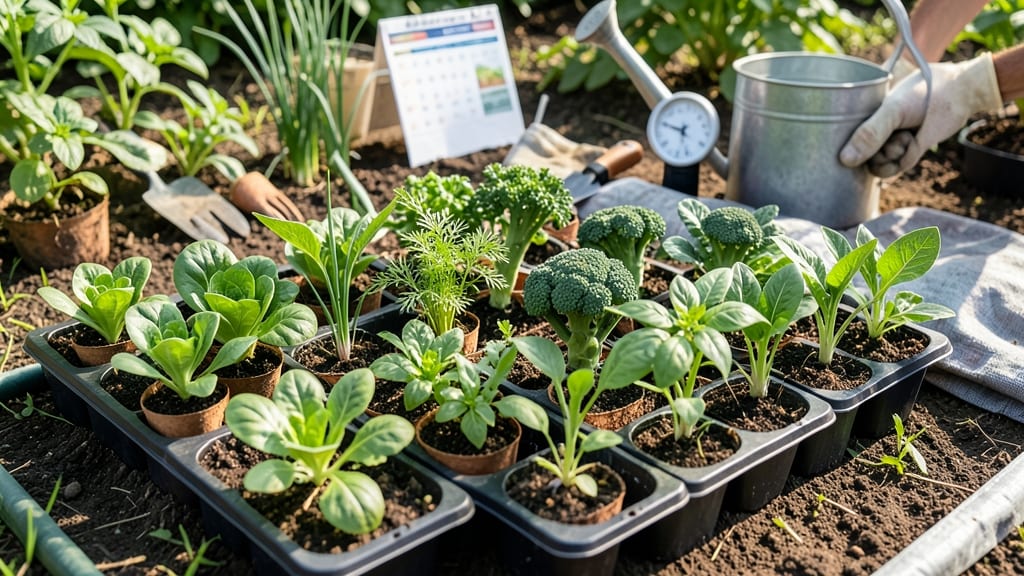
Planting vegetables in California isn't one-size-fits-all—your coastal neighbor's perfect timing might leave your inland garden struggling. With microclimates ranging from foggy coasts to scorching deserts, knowing the exact weeks to plant could mean the difference between a thriving harvest and wasted seeds.
I've dug into USDA data and talked to California gardeners who've cracked the code, and what they've learned is game-changing. Whether you're in chilly Zone 7b or toasty Zone 10a, there's an ideal window to get your 🌱 vegetables in the ground for maximum growth—without frost ruining your plans.
Let's cut through the guesswork and give you the precise planting schedule for your region. You'll discover how to time your tomatoes, lettuce, and broccoli for zero-frost success, plus pro tips to stretch your growing season even further. Ready to transform your garden from "maybe" to "mastered"?
From coastal fog delays to desert heat surprises, we'll cover everything you need to know. By the end, you'll have a clear roadmap to planting like a local—no more second-guessing, just confident, foolproof timing for your California garden.
California planting zones by microclimate: exact weeks to avoid frost damage
California’s microclimates create wildly different planting windows—what works in San Francisco’s foggy coast (USDA Zone 9b) fails in Death Valley’s desert heat (Zone 10a). The key?
Timing your plants to avoid frost damage while matching their heat tolerance. Here’s your zone-by-zone planting calendar, using USDA frost data and local gardener insights.
I’ve broken this down into four critical regions, each with its own last-frost dates and heat-sensitive crops. For example, coastal areas like Santa Cruz can plant broccoli in October, while inland Bakersfield waits until February to avoid frost.
Let’s dive into the specifics so you can plant with confidence.
⚠️ PRO TIP: Use the USDA Plant Hardiness Zone Map (or local Cooperative Extension offices) to pinpoint your exact zone—even neighboring towns can differ by 2-3 weeks in frost timing!
Here’s your zone-specific planting calendar, including ideal transplant weeks and frost-free guarantees for each region:
| Region | USDA Zone | Last Frost Date | Best Planting Window | Frost-Sensitive Crops |
|---|---|---|---|---|
| Coastal (SF, Monterey) | 9b-10a | Dec 15 - Jan 15 | Feb 1 - Mar 15 (cool crops) / Apr 15 - May 1 (heat crops) | Tomatoes, Peppers, Basil |
| Central Valley (Sacramento, Fresno) | 9a-10a | Jan 1 - Feb 1 | Feb 15 - Mar 30 (cool crops) / Apr 15 - May 10 (heat crops) | Lettuce, Spinach, Carrots |
| Desert (Palm Springs, Coachella) | 10a-11a | Never (or Dec 31) | Feb 1 - Apr 1 (year-round possible) | Okra, Sweet Potatoes, Eggplant |
| High Elevation (Lake Tahoe, Mammoth) | 6b-8a | May 15 - Jun 15 | May 1 - Jun 10 (short season!) | Peas, Radishes, Kale |
For coastal gardeners, the foggy summers mean you’ll need to shade tender crops like tomatoes after June 15 to prevent bolting. In contrast, desert gardeners can grow year-round but must irrigate deeply to avoid heat stress in 100°F+ temps.
High-elevation areas? Stick to fast-maturing varieties—your growing season is half as long as coastal zones!
I recommend testing your soil temperature before planting—most vegetables need soil at 60°F+. Use a soil thermometer (just $10 at garden centers) to avoid cold-soil shock, especially for warm-season crops like peppers.
Pro succession plan: In Central Valley zones, plant broccoli in February, then again in August for a fall harvest before the first light frost (usually November 15). This doubles your yield without extra space!
🌿 Key Takeaway: Your local nursery knows best—ask about microclimate tweaks for your exact neighborhood. For example, Berkeley’s last frost can be 2 weeks later than San Francisco’s due to urban heat islands.
Next, we’ll cover the best vegetables for each zone, including heat-tolerant vs. cool-season crops—so you can maximize your harvest without wasting seeds on frost-prone plants in the wrong climate.
Best vegetables for each California region: heat-tolerant vs. cool-season crops
California’s regions demand different vegetable strategies—what thrives in the Central Valley’s heat might bolt in coastal fog.
I’ve broken down the best crops for each zone, so you can plant with confidence and avoid common mistakes like peppers wilting in inland summers or lettuce flowering too fast near the coast.
For Coastal areas (USDA 7b-9a), focus on cool-season crops that handle fog and mild winters. Think broccoli, kale, and peas planted in late winter (February-March).
Heat-loving tomatoes and peppers? Save them for late spring (May-June) when coastal temperatures rise. The key is timing—plant too early, and your summer squash will struggle.
Central Valley (USDA 9b-10a) gardeners have the longest growing season, but heat tolerance is critical. Start warm-season crops like okra, sweet potatoes, and eggplant in April for a summer harvest. For cool-season crops, plant spinach and radishes in fall (September-October) to avoid summer’s intensity. The Valley’s hot afternoons mean shade cloth can be your best friend for leafy greens.
| Region | Best Cool-Season Crops | Best Warm-Season Crops | Planting Window |
|---|---|---|---|
| Coastal (7b-9a) | Broccoli, Kale, Peas, Lettuce | Tomatoes, Peppers, Basil | Feb-Mar (cool), May-June (warm) |
| Central Valley (9b-10a) | Spinach, Radishes, Carrots | Okra, Sweet Potatoes, Eggplant | Apr (warm), Sep-Oct (cool) |
| Desert (9a-10b) | Cilantro, Green Onions, Arugula | Jalapeños, Black-Eyed Peas, Malabar Spinach | Sep-Oct (cool), Mar-Apr (warm) |
Desert regions (USDA 9a-10b) like the Coachella Valley are a gardener’s paradise for heat-loving crops. Plant jalapeños, black-eyed peas, and Malabar spinach in early spring (March-April) for a summer harvest. But cool-season crops? Stick to cilantro, green onions, and arugula in fall (September-October) to avoid bolting. The desert’s intense sun means drip irrigation is a must—otherwise, your tomatoes will sunburn faster than you can say “salsa.”
High-elevation areas (USDA 7b-8a), like the Sierra foothills, have shorter seasons and cooler temps. Prioritize fast-maturing crops like bush beans, radishes, and Swiss chard planted in late spring (May-June). Peppers and eggplants?
They’ll struggle—opt for cherry tomatoes and zucchini instead. The rule here: start seeds indoors 6-8 weeks before your last frost date to give them a head start.
Pro tip: Succession planting is your secret weapon in California. For example, sow lettuce every 2 weeks in coastal areas to ensure a steady harvest, while in the Central Valley, stagger okra plantings every 3 weeks to avoid a glut.
Adjust based on your region’s microclimate quirks—like the Santa Ana winds that can dry out coastal gardens overnight.