
Plants
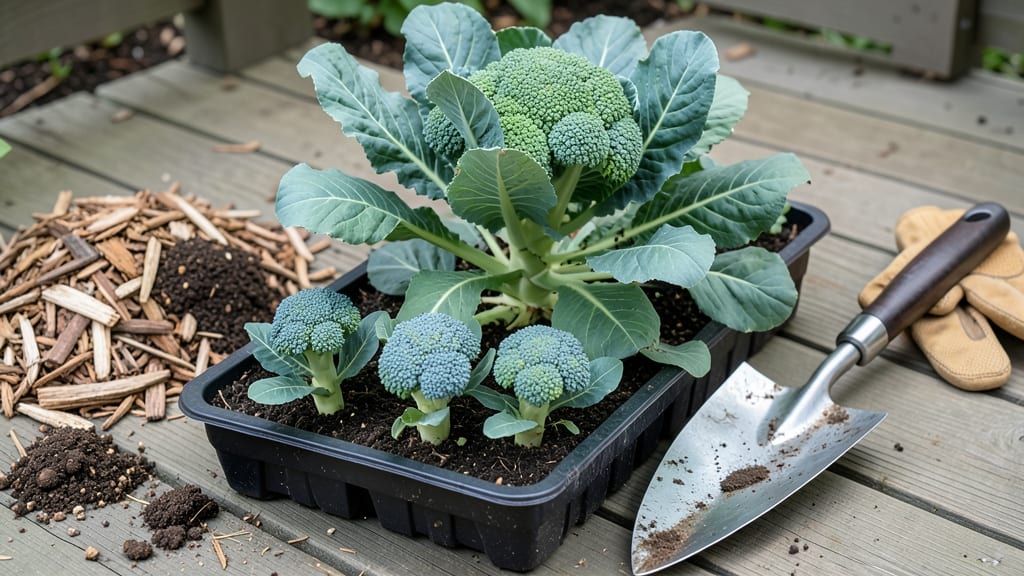
Timing your 🥦 broccoli planting in North Texas isn't just about throwing seeds in the ground—it's the difference between a bountiful harvest and bitter disappointment.
If you plant too early, the heat will send your broccoli bolting before you even get to taste it, while planting too late means smaller heads and a shorter growing season.
I've learned the hard way that North Texas' 8a climate demands precision. The key is planting 4-6 weeks before the last frost in spring (around mid-February to early April) and again in late summer (August to early September) for a fall crop.
This gives your broccoli just enough time to mature before the heat or cold sets in.
What makes this even trickier is our unpredictable weather swings—one week of 90-degree heat can ruin a perfectly planned spring crop.
But don't worry, I'll walk you through the exact weeks to plant, soil prep tips, and how to stretch your growing season so you can enjoy fresh 🥦 broccoli from May through November.
Let's dive into the science behind these planting windows and how to adjust for your specific North Texas microclimate. You'll leave here with a clear schedule that guarantees zero-bolt, high-yield broccoli—no guesswork required.
North Texas broccoli planting schedule: exact weeks before last frost for zero-bolt growth
North Texas gardeners face a unique challenge with broccoli—our hot summers and unpredictable frosts demand precise timing. The key to avoiding premature bolting (when broccoli flowers too early) lies in understanding your last frost date and soil temperatures.
For most of North Texas (USDA zones 7b-9a), this means planting 4-6 weeks before March 15 for spring crops and 80-100 days before November 15 for fall harvests.
Broccoli thrives in cool weather (ideal soil temps: 45-85°F) but wilts under 90°F+ heat. In North Texas, this translates to two perfect windows: late winter for spring growth and early fall for a second harvest.
Miss these windows, and you’ll either face stunted plants or bolting before maturity.
Here’s the golden rule for North Texas: Plant your spring broccoli between February 15 and March 15, and your fall broccoli between August 1 and September 1. These dates align with soil temperatures and daylight hours to maximize yield.
| Planting Window | Weeks Before Last Frost | Soil Temp (°F) | Key Notes |
|---|---|---|---|
| Spring (Feb 15 - Mar 15) | 4-6 weeks | 45-65°F | Use cold-hardy varieties like 'Waltham 29'. |
| Fall (Aug 1 - Sep 1) | 80-100 days before first frost | 60-75°F | Choose heat-tolerant types like 'Calabrese'. |
| Backup Window (Oct 15) | N/A (direct sow) | 50-60°F | For fast-maturing varieties only (50 days). |
North Texas’ variable weather means your last frost date can shift by 2-3 weeks. Always check your local Cooperative Extension Service for updates.
For example, Dallas (Zone 8a) typically has its last frost around March 15, while Amarillo (Zone 7b) may see frost as late as April 1. Adjust your planting dates accordingly.
Another critical factor is soil preparation. Broccoli hates compacted or rocky soil, which North Texas clay can become. Amend your beds with 2-3 inches of compost and organic matter 2-3 weeks before planting. This improves drainage and helps retain moisture during our hot, dry spells.
For spring planting, start seeds indoors 6-8 weeks before your last frost date (around January 15 for most of North Texas). Transplant seedlings outdoors when they’re 4-6 inches tall and soil temps are consistently above 45°F.
Harden them off for 5-7 days before moving to the garden to avoid shock.
Fall planting requires even more precision. Since broccoli needs 60-80 days to mature, you must plant no later than September 1 in most of North Texas. Use row covers or cold frames to extend your growing season if early frosts threaten.
Varieties like 'De Cicco' (Italian heirloom) mature in just 50 days, making them ideal for late-season planting.
Pro tip: If you’re new to broccoli in North Texas, begin with small batches of 3-4 plants to test your timing. Track your harvest dates and adjust future plantings based on your local microclimate. With the right timing, you’ll enjoy crisp, homegrown broccoli from May to November!
Remember, bolting is your biggest enemy in North Texas heat. To prevent it, keep your plants well-watered, mulch heavily, and avoid planting during peak summer months (June-August) unless you’re using shade cloth. With these strategies, you’ll master the art of zero-bolt broccoli in no time.
3 Critical factors that determine your broccoli planting success in North Texas heat
North Texas' unpredictable heat and short growing season make broccoli planting a delicate balance. The three most critical factors—soil temperature, heat tolerance, and water availability—can make or break your harvest.
I've learned that broccoli thrives when soil temps stay between 45°F and 80°F, but our region's sudden heat spikes often push it beyond that range.
First, the soil temperature must be consistently above 40°F before planting. In North Texas, this typically happens by mid-February for spring crops. Use a soil thermometer to check—planting too early in cold soil leads to stunted growth or bolting.
For fall crops, aim for August planting when soil temps begin cooling.
Next, heat tolerance is where most gardeners fail. Broccoli bolts (goes to seed) when daytime temps exceed 85°F for more than 2-3 days. That's why I recommend fast-maturing varieties like 'De Cicco' (58 days) or 'Waltham 29' (60 days) for our climate.
These varieties can handle brief heat waves better than slower growers.
🌡️ Key Temperature Guidelines for North Texas Broccoli
- 🌱 Optimal Soil Temp: 45°F-80°F
- ⚠️ Danger Zone: >85°F for 3+ days → Bolting risk
- ❄️ Frost Sensitivity: <32°F → Plant after last frost
- ☀️ Heat Tolerance: Choose fast-maturing varieties
- 💧 Water Needs: 1-1.5" weekly during heatwaves
Don't overlook water availability—broccoli needs consistent moisture, especially during head formation. Our region's summer droughts can stress plants quickly. I've had success using drip irrigation set to water early morning (before 10 AM) to prevent fungal issues.
Mulching with 2-3 inches of straw helps retain moisture and keep roots cool.
For fall planting, focus on August to early September to give plants enough time to mature before first frost (typically mid-November). Use shade cloth (30-50%) if planting in late summer to protect seedlings from intense afternoon sun.
This simple adjustment can extend your harvest window by 3-4 weeks.
Finally, soil prep makes all the difference. Amend your garden beds with compost and a balanced fertilizer (10-10-10) before planting. North Texas soil often lacks organic matter, so I recommend adding 2-3 inches of compost to improve drainage and nutrient retention—critical during our 90°F+ heat waves.
By mastering these three factors—soil temperature, heat tolerance, and water management—you'll transform your broccoli from a high-risk crop to a reliable harvest every season. The key is adapting to North Texas' extremes rather than fighting them.