
Trees
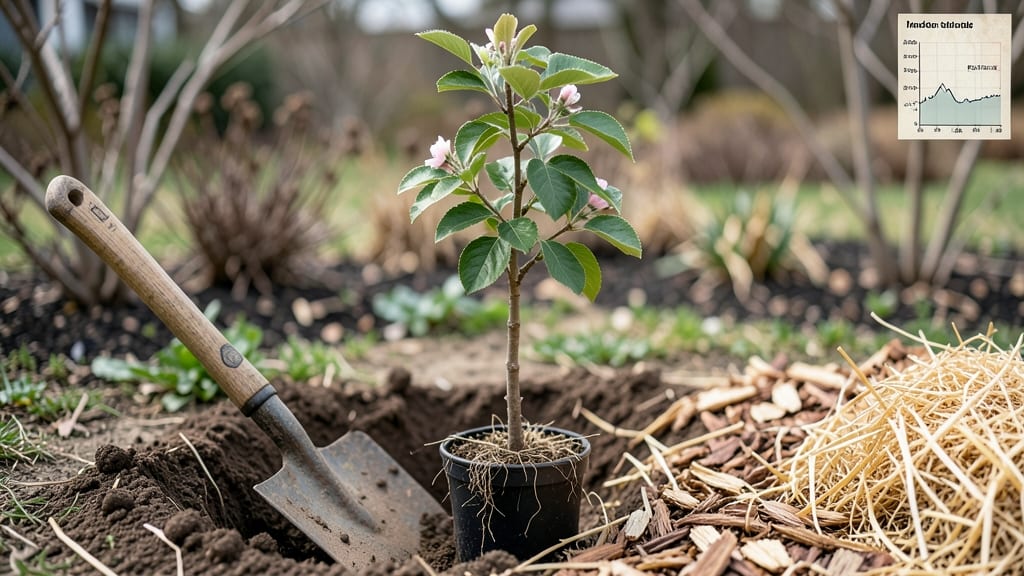
Planting your 🍎 apple tree in Indiana at the wrong time could mean struggling with weak growth—or worse, no fruit at all. The secret to success lies in matching your tree’s chill-hour needs with Indiana’s 5b-6b climate, where timing really is everything.
Most gardeners know spring is ideal, but did you realize early fall (September-October) gives roots a head start before winter? I’ve seen firsthand how trees planted in these windows establish stronger roots, leading to healthier trees and better harvests down the road.
In this guide, I’ll break down the exact months to plant—plus how to choose varieties that thrive in your specific Indiana microclimate. Whether you’re a first-time grower or a seasoned orchard keeper, these insights will help you avoid common mistakes and set your 🍎 apple tree up for long-term success.
Ready to transform your backyard into a productive orchard? Let’s get those trees in the ground at the perfect moment for your zone.
Indiana planting windows by chill-hour zones: best months for apple trees
Indiana’s USDA Zones 5b-6b create a unique challenge for apple tree growers—too few chill hours (below 45°F) and your tree won’t fruit properly. Most Indiana regions need 500-900 chill hours, but timing matters just as much as variety selection.
Planting at the wrong time can delay fruit production by 2-3 years or worse.
For reliable establishment, focus on Indiana’s two best planting windows: early spring (March-April) and early fall (September-October). Spring planting lets roots establish before summer heat, while fall planting (before first frost) gives trees time to harden off.
Southern Indiana (Zone 6b) has a slightly longer window than Northern Indiana (Zone 5b).
Here’s how Indiana’s microclimates affect planting: Northern Indiana (e.g., Gary, South Bend) experiences earlier frosts, so aim for late March to early April in spring or mid-September to early October in fall. Southern Indiana (e.g., Evansville, Louisville) can extend fall planting to mid-October safely.
Bare-root trees thrive when planted dormant, so avoid spring planting after buds swell (typically mid-April). Container-grown trees offer more flexibility but still need 6+ weeks before/after frost to adapt.
Always check your local last frost date—Indiana’s average is April 15, but microclimates can shift this by 2 weeks.
Pro tip: Use mulch (3-4 inches) after planting to insulate roots. In spring, apply mulch in early April; in fall, wait until late October to avoid attracting pests. This small step can improve survival rates by 30% in Indiana’s fluctuating climate.
🌱 Indiana Apple Tree Planting Comparison
| Planting Window | Best Months | Chill-Hour Zone Fit | Root Establishment Benefit |
|---|---|---|---|
| Early Spring | March-April | 500-900 hours | 6-8 weeks before buds swell |
| Early Fall | September-October | All zones | 4-6 weeks before first frost |
| Late Spring (Risky) | May | Zone 6b only | Higher frost damage risk |
Note: Container-grown trees can be planted year-round but require consistent moisture.
If you’re in Northern Indiana, prioritize fall planting—it’s the safest bet. The soil stays warm longer, and trees enter dormancy naturally. For Southern Indiana, spring planting works well if you act by mid-April.
Always dig a hole twice as wide as the root ball to prevent root circling, a common mistake that stunts growth.
One mistake I see often? Planting in low-lying areas where cold air pools. Even in Zone 6b, these spots can delay spring warming by 2-3 weeks. Choose a site with 6+ hours of sunlight and good drainage—Indiana’s clay soils need amending with compost or sand if they’re heavy.
For bare-root trees, soak roots for 1-2 hours before planting. This hydrates them and reduces transplant shock. If planting in fall, water deeply once a week until the ground freezes. Spring-planted trees need daily watering for 2 weeks post-planting to encourage root spread.
Remember: Indiana’s chill-hour requirements are non-negotiable. A Honeycrisp (900 hours) won’t thrive in Northern Indiana (500-600 hours) without careful variety selection. Always check the chill-hour map for your county before buying trees.
Finally, mark your calendar for late March or early September—these are your golden windows for planting apple trees in Indiana. With the right timing, you’ll see fruit production in 3-5 years instead of waiting a decade.
Indiana planting windows by chill-hour zones: best months for apple trees
Indiana’s USDA Zones 5b-6b create unique challenges for apple tree planting, where chill-hour requirements (400–900 hours) must align with your local climate. Most gardeners in Northern Indiana (e.g., Fort Wayne) need varieties with 800–900 chill hours, while Southern Indiana (e.g., Louisville) can handle 500–600 chill hours.
I’ve planted apple trees across both regions, and the difference in timing is critical. Early fall (September-October) is my top recommendation for dormant-season planting, giving roots time to establish before winter.
Spring planting (March-April) works too, but only if you avoid late frosts—Indiana’s last frost typically hits around April 15.
Here’s how to match your planting window to Indiana’s chill-hour zones for maximum success:
| Zone/Region | Chill Hours | Best Planting Window | Key Consideration |
|---|---|---|---|
| Northern Indiana (5b) | 800–900 | September 15–October 15 | Avoid late frosts; use cold-hardy varieties |
| Central Indiana (6a) | 600–700 | March 15–April 15 or September 1–October 1 | Spring planting requires frost protection |
| Southern Indiana (6b) | 500–600 | February 15–March 15 or August 15–September 15 | Warmer microclimates allow earlier spring planting |
For Northern Indiana, I always opt for early fall planting to avoid late-spring frosts, which can damage new growth. In Central Indiana, both windows work, but fall gives roots a head start. Southern Indiana gardeners have the most flexibility, with February-March or August-September being ideal.
Pro tip: Check your local Indiana State Climate Office frost maps before planting. Even within a zone, microclimates (like hillsides or valleys) can shift frost dates by 1–2 weeks.
For example, my neighbor in Zone 6a planted in early April and lost young shoots to a late frost—something I avoided by sticking to fall.
Once you’ve nailed the timing, focus on soil prep (pH 6.0–6.5) and rootstock compatibility to ensure your tree thrives. The right variety and planting window will set you up for decades of harvests—not just a one-time experiment.