
Plants
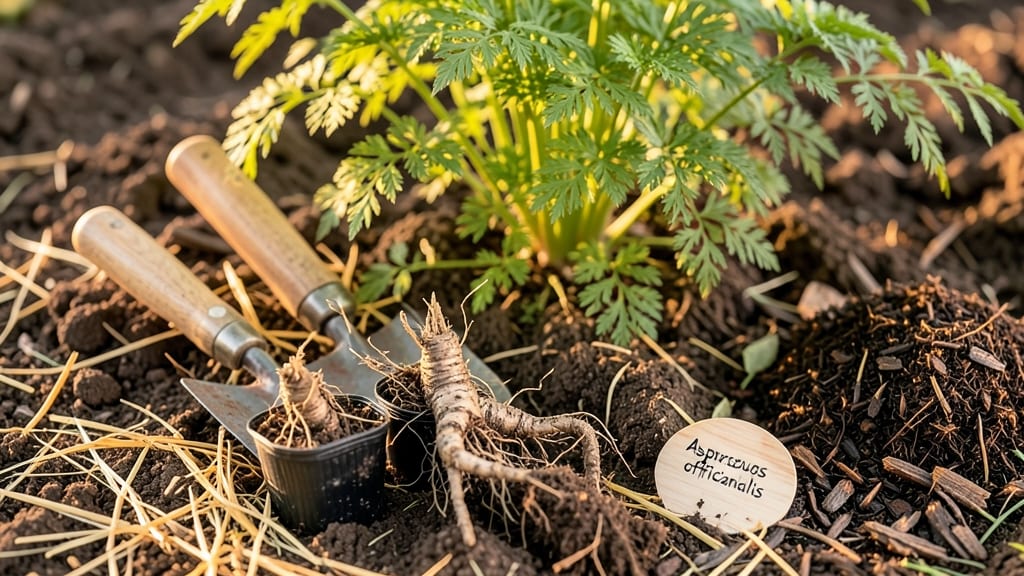
Planting asparagus in Louisiana at the wrong time can turn your spring harvest into a flop—thanks to our unpredictable frost dates and scorching summers. The key to success?
Getting those crowns in the ground 4-6 weeks before your last frost, which for most of the state means late February to early March.
I’ve learned the hard way that waiting too long leaves asparagus struggling with heat stress, while planting too early risks frost damage. Louisiana’s 8a-9b climate gives us a narrow window, but with the right timing, you’ll set your plants up for years of lush, productive growth—not just one season.
In this guide, I’ll break down exactly when to plant asparagus in Louisiana, how to prep your soil for our heavy clay or sandy conditions, and what to watch for to avoid common mistakes. Let’s get those spears thriving!
Whether you’re a first-time gardener or a seasoned green thumb, these tips will help you maximize your harvest and skip the trial-and-error phase. Ready to dig in?
Louisiana asparagus planting calendar: frost-free weeks for maximum yield
Timing your asparagus planting in Louisiana is all about avoiding late frosts while ensuring soil temperatures are warm enough for root establishment. In USDA Zones 8-9, the ideal window spans just 4-6 weeks—missing it can lead to stunted growth or heat stress later in the season.
The key is planting 4-6 weeks before your last frost date, which typically falls around mid-February for most of the state.
For North Louisiana (like Shreveport), where frosts linger slightly longer, aim for late February to early March. Meanwhile, South Louisiana (New Orleans area) can start as early as mid-February thanks to its milder winters.
Soil temperatures should be at least 50°F (10°C)—use a soil thermometer to check before planting.
Why this window? Planting too early risks frost damage, while planting too late exposes young roots to summer heat stress. Louisiana’s humidity also means asparagus needs time to establish strong roots before the hot, muggy summers hit. The goal is to give your crowns a 3-4 month head start before peak heat arrives.
🌱 Pro Tip: If you miss the ideal window, consider fall planting (September-October) for a second chance—just be prepared for slower establishment before winter.
If you plant in March, you’ll still get a good harvest, but your asparagus may struggle more with summer heat and require extra mulching to retain moisture.
For February plantings, focus on soil preparation—amend heavy clay soils with compost to improve drainage, as Louisiana’s soils can become waterlogged during our humid springs.
Missed the window? Don’t panic! You can still plant in early April, but expect a reduced first-year harvest as the plants focus on root growth. In South Louisiana, where summers are hotter, April plantings risk heat stress—so prioritize shade cloth if planting late.
For maximum yield, align your planting with local frost data. Check your average last frost date (use Almanac.com or your local Cooperative Extension) and count back 4-6 weeks.
In North Louisiana, this often means late February, while South Louisiana gardeners can start as early as mid-February.
Once planted, mulch heavily with straw or pine needles to protect crowns from temperature swings and retain moisture. Louisiana’s high humidity means asparagus is prone to fungal diseases—so avoid overhead watering and ensure proper spacing (12-18 inches apart) for airflow.
Remember: Patience is key with asparagus! While you won’t harvest in the first year, proper spring planting sets the stage for 3-5 years of abundant harvests. By following this frost-free window, you’ll give your asparagus the best shot at thriving in Louisiana’s unique climate. 🌿
How Louisiana’s humidity and heat affect asparagus planting success
Louisiana’s humid subtropical climate isn’t just about heat—it’s also about sticky soil and intense summer sun, both of which can sabotage your asparagus if you’re not careful.
I’ve seen firsthand how asparagus crowns planted too late in spring can wilt under 90°F+ temperatures, while early plantings risk fungal rot from our heavy spring rains. The key is choosing the right planting window and preparing your soil to handle our unique conditions.
One of the biggest challenges in Louisiana is our heavy clay or sandy soils, which can either bake dry or waterlog asparagus roots. Asparagus hates soggy feet, so I always amend my soil with compost and sand to improve drainage.
If your soil is too dense, consider planting in a raised bed—it’s a game-changer for preventing crown rot in our humid summers.
🌱
⚠️ Avoid These Louisiana-Specific Mistakes
- Planting in May or later: Asparagus crowns struggle to establish roots in 90°F+ soil, leading to stunted growth.
- Skipping soil amendments: Louisiana’s clay holds too much moisture; add compost and perlite to prevent rot.
- Overwatering in summer: Asparagus needs deep but infrequent watering—not daily soaks.
💡 Pro Tip: Mulch heavily with straw or pine needles to retain moisture without suffocating roots.
Not all asparagus varieties thrive in Louisiana’s heat. I recommend Mary Washington or Jersey Knight for their heat tolerance and disease resistance. These varieties handle our summers better than standard types and still produce tender spears in spring.
If you’re in South Louisiana (Zone 9b), you might even get a second harvest in fall—just plant a few extra crowns for a late-season crop.
Another critical factor is soil temperature. Asparagus crowns need soil that’s at least 50°F to root properly. In Louisiana, this usually means waiting until mid-March in North Louisiana or late February in South Louisiana.
Use a soil thermometer to check—it’s cheaper than guessing and losing your plants to heat stress.
Once planted, shade cloth can be a lifesaver during Louisiana’s brutal summer months. I’ve seen asparagus ferns burn under direct sun when temps hit 100°F. A 30-50% shade cloth over new plants for the first few weeks helps them acclimate without stress.
Just remove it once the plants are established to ensure full sun for optimal spear production.
Finally, watch for asparagus beetles and rust disease, which thrive in our humidity. I rotate my crops and use neem oil as a preventative spray to keep pests at bay.
With the right timing and care, your asparagus will reward you with years of harvests—not just a one-season flop.