
Plants
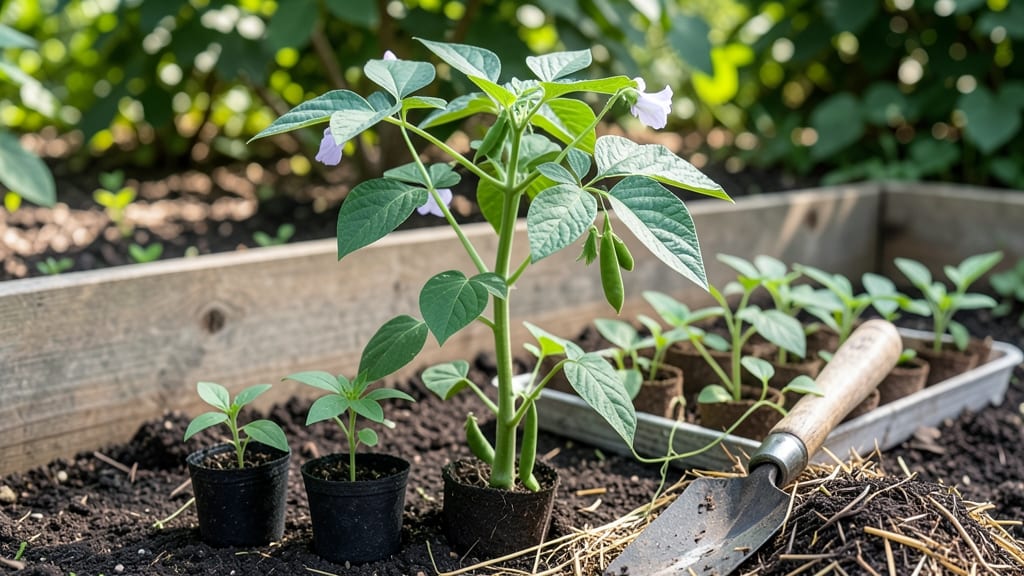
Timing your bean planting in California can make the difference between a thriving harvest and wasted effort—especially when frost dates and heat waves play such a big role.
Whether you're growing bush beans or pole varieties, getting the soil warm enough and avoiding those chilly nights is the key to success. I’ve grown beans in 9a-10b zones for years, and I’ll share exactly when to plant for zero-frost success, no matter where you are in the state.
Most gardeners in California plant beans twice a year—once in early spring and again in late summer—but the exact dates vary wildly from coastal areas to the Central Valley.
For example, coastal regions like San Francisco can start as early as February, while inland valleys like Sacramento should wait until March to avoid late frosts. The goal? Plant when soil temperatures hit 60°F and stay consistent, because beans are finicky about cold snaps.
If you’ve ever watched your bean seedlings wilt after a surprise frost or struggle in summer heat, you know how critical timing is. I’ll break down the best planting windows by region, plus tips for succession planting to keep your harvest going all season.
No more guessing—just a clear, foolproof plan to grow more beans with less stress.
Ready to turn your garden into a bean-producing powerhouse? Let’s dive into the exact dates, soil prep secrets, and variety choices that work best in California’s diverse climate. Your future harvest starts with the right timing—and I’ve got you covered.
California bean planting calendar by region: exact dates for frost-free success
California’s diverse climates mean your bean planting timeline should vary dramatically from coastal to inland regions. In Northern California, cooler temperatures extend the growing season, while Southern California enjoys mild winters—both require precise timing to avoid frost damage or heat stress.
Let’s break down the best planting windows for each region, including soil temperature thresholds and frost risk factors.
For Northern California (USDA Zones 9a-10a), aim for late February to early April for spring plantings.
Coastal areas like San Francisco can start as early as January, while inland valleys like Sacramento should wait until March to avoid late frosts. Fall plantings are possible in August-September, but harvest before first frost (typically December 1 inland).
Central Valley gardeners face intense summer heat, so focus on spring plantings (March-April) and late summer (August-September) for fall harvests. Soil temperatures must stay below 85°F—any hotter, and beans bolt prematurely. Southern California (Zones 9b-10b) enjoys year-round growing, with ideal windows from February-March and August-September.
Coastal regions like Santa Barbara or San Diego can plant as early as January due to milder winters, but monitor soil temperatures—beans need at least 60°F to germinate. Inland desert areas (e.g., Palm Springs) should avoid summer planting entirely due to extreme heat.
🌱 California Bean Planting Calendar by Region
| Region | Spring Planting Window | Fall Planting Window | Last Frost Risk | Soil Temp Threshold |
|---|---|---|---|---|
| Northern CA (Coastal) | Jan 15 - Mar 15 | Aug 15 - Sep 15 | Dec 15 - Jan 15 | 60°F+ |
| Northern CA (Inland) | Mar 1 - Apr 15 | Aug 1 - Sep 10 | Nov 15 - Dec 15 | 60°F+ |
| Central Valley | Mar 15 - Apr 30 | Aug 10 - Sep 20 | Dec 1 - Jan 10 | 60-85°F |
| Southern CA (Coastal) | Feb 1 - Mar 31 | Aug 1 - Sep 30 | Jan 15 - Feb 15 | 60°F+ |
| Southern CA (Desert) | Feb 15 - Mar 15 | Aug 15 - Sep 15 | Dec 1 - Jan 10 | 60-75°F |
Use a soil thermometer to confirm readiness—beans won’t germinate below 60°F. In cooler zones, cover seeds with row fabric to speed up warming. Succession planting every 2 weeks ensures a continuous harvest, especially in longer growing seasons like Southern California’s.
In Northern California’s mountains (e.g., Lake Tahoe), wait until after May 1 for spring plantings due to late snowmelt. High-elevation areas (above 5,000 ft) may only have a 90-day growing season, so choose fast-maturing varieties (e.g., Blue Lake or Contender).
Avoid planting too early in warmer inland valleys—beans planted in May often struggle with heat and may produce bitter pods. Instead, opt for late summer plantings (August) to harvest before fall temperatures drop. Coastal gardeners can extend seasons with season extenders or greenhouses.
Pro tip: Test your soil before planting—beans prefer slightly acidic to neutral pH (6.0-7.0). Amend with compost or aged manure to improve drainage, especially in
How to time bean planting for maximum yield: soil temp, variety, and succession tips
Timing your bean planting in California isn’t just about avoiding frost—it’s about matching your soil temperature to the right variety for maximum growth. Beans thrive when soil reaches 60-85°F, but planting too early or late can stunt yields or invite pests. Let’s break down the science behind perfect timing.
First, use a soil thermometer to check temperatures before planting. In cooler regions like Northern California, wait until soil hits 60°F (usually late February to early March).
Inland areas like the Central Valley can plant earlier—mid-February—since they warm faster. Coastal zones may need to wait until March or April.
For maximum yield, stagger plantings every 2-3 weeks through spring. This ensures a steady supply of fresh pods instead of one overwhelming harvest. For example, plant Blue Lake bush beans in early March, then again in late March and early April.
In Southern California, you can even squeeze in a fall planting in August for late-season harvests.
Pro tip: Pole beans (like Kentucky Wonder) need warmer soils (70°F+) and longer growing seasons, so plant them 2-3 weeks after bush beans.
If your summer gets too hot (common in the Central Valley), opt for heat-tolerant varieties like Rattlesnake beans or use shade cloth to protect young plants.
Common mistakes? Planting too early when soil is still cold (beans rot), or too late when days shorten (reduced flowering). Also, avoid overcrowding—beans need 3-4 inches of space (bush) or trellis support (pole).
With these tips, you’ll turn California’s variable climate into your advantage—enjoying fresh beans from spring to fall without the guesswork. Happy planting! 🌱