
Plants
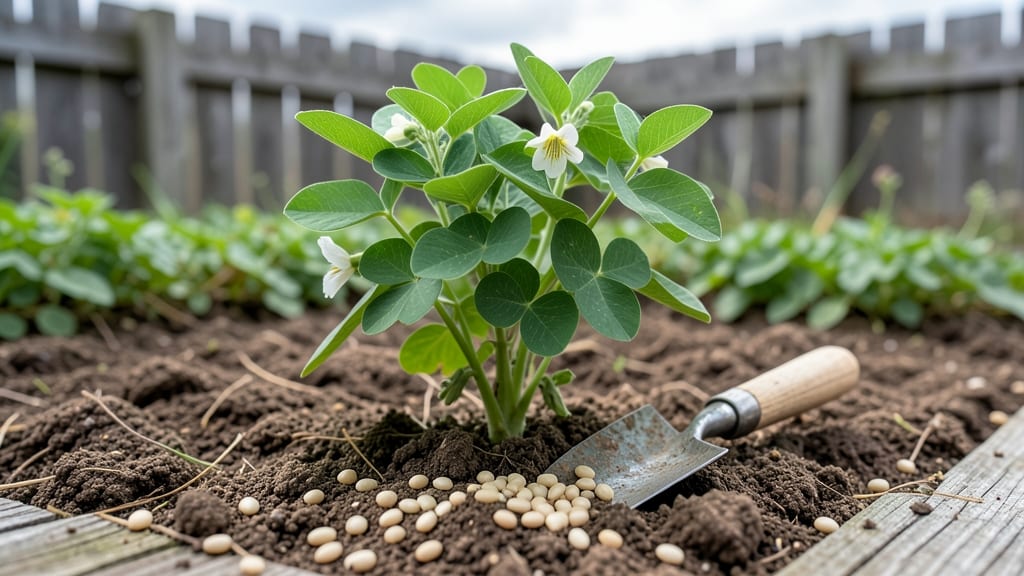
Planting beans in Southern California might seem simple—until you realize coastal fog delays your spring harvest while inland heat turns summer soil into a baking pan. The perfect timing isn’t just about the calendar; it’s about reading your microclimate like a pro to avoid wasted seeds and shriveled pods.
Here’s the game-changer: Whether you’re in Zone 9b’s coastal chill or Zone 11’s desert heat, beans thrive when planted in early spring (March–April) or late summer (August–September).
Skip the guesswork—this schedule aligns with soil temps, rainfall patterns, and even pest cycles so your 🌱 harvest hits peak flavor and yield.
No frost to fear here, but heat stress and soil moisture are your real enemies. We’ll cover how to dodge both, plus whether to start with seeds or seedlings for your specific region. Ready to turn your garden into a bean bonanza without the trial-and-error?
Let’s break down the exact weeks to plant for maximum success, tailored to your neighborhood’s quirks—because in SoCal, "spring" can mean two very different things depending on where you live.
Southern California bean planting calendar by microclimate Zone
Southern California’s microclimates create a 3-zone puzzle for bean growers. Coastal areas like San Diego enjoy mild winters, while inland Los Angeles and desert Palm Springs face extreme heat.
Your planting window shifts 6-8 weeks between these zones—get it wrong, and you’ll either wait months for harvest or watch beans bolt in summer’s heat.
Beans thrive when soil hits 60°F+, but pole beans tolerate heat better than bush varieties. Coastal gardeners can plant 2x/year, while inland growers focus on spring and fall to avoid July’s 100°F+ days. Let’s break it down by zone so you never guess again.
🌱 Key Rule: Never plant beans when night temps dip below 55°F or when daytime highs exceed 90°F for more than 2 weeks. Use these week-specific windows to align with your local USDA Zone 9b-11 conditions.
| Zone | Best Planting Weeks | Soil Temp | Notes |
|---|---|---|---|
| Coastal (San Diego, Santa Barbara) | Week 5-8 (Feb-Mar) Week 30-35 (Jul-Aug) |
60°F+ | Fog delays germination; use black plastic mulch to warm soil. |
| Inland (LA, Riverside) | Week 9-12 (Mar-Apr) Week 36-40 (Sep-Oct) |
65°F+ | Avoid June; heat stress causes flower drop. |
| Desert (Palm Springs, Coachella) | Week 1-3 (Jan-Feb) Week 42-45 (Oct-Nov) |
70°F+ | Plant shade cloth if temps exceed 95°F. |
For coastal regions, your February-March window (weeks 5-8) aligns with spring rains, reducing irrigation needs. Start seeds indoors 2-3 weeks before transplanting to beat coastal fog delays. If you miss this, your July-August backup (weeks 30-35) works—but watch for aphid outbreaks in humid coastal air.
Inland gardeners should never plant after April 15 (week 16). By May, daytime temps often hit 90°F+, causing beans to stop flowering. Instead, focus on September-October (weeks 36-40) for a cool-season harvest before winter rains arrive. Desert areas? January-February (weeks 1-3) is your only safe window—after that, 100°F+ days make growth impossible without shade cloth.
All zones benefit from succession planting. Sow new seeds every 2 weeks during your zone’s window to stagger harvests. For example, in coastal San Diego, plant week 5, then again at weeks 7 and 9 for a 3-month harvest.
This works for both bush beans (like Blue Lake) and pole beans (like Kentucky Wonder).
🌿 Soil Prep Secret: Southern California’s alkaline soils (pH 7.5+) stunt bean growth. Amend with sulfur or composted manure to hit pH 6.0-7.0 before planting. Test your soil—cheap kits from garden centers work!
If you’re starting from seed (cheaper and healthier), plant 1 inch deep, 2 inches apart in rows 18 inches apart. For seedlings, space 3-4 inches apart and harden off for 5-7 days before transplanting. Pole beans need trellises—install them before planting to avoid root disturbance.
💡 Harvest Hack: Pole beans produce 3x longer than bush beans if trained properly. Use bamboo stakes or wire trellises—they’re cheaper and stronger than plastic.
How to extend your bean growing season in SoCal’s harshest conditions
Southern California’s coastal fog, inland heatwaves, and desert drought can sabotage your bean harvest if you don’t adapt. The key? Strategic timing and protective tactics to keep soil temps ideal (60–85°F) and moisture consistent.
I’ve grown beans in Zone 9b’s fog belts and Zone 11’s desert edges—here’s how to beat the extremes.
For coastal gardens, delay planting until mid-April to avoid cold snaps and soil saturation from winter rains. Use black plastic mulch to warm soil faster and row covers for early morning fog protection. Inland areas? Start seeds indoors in February and transplant after last heatwave risk (late May).
Desert regions need shade cloth (30–50%) during June–August to prevent wilting. Pair this with drip irrigation timed for early morning to maximize water absorption. Pro tip: Succession plant every 2 weeks from March–October to stagger harvests and avoid peak heat stress.
Organic vs. Synthetic Soil Amendments for Beans
| Factor | Organic Options | Synthetic Options |
|---|---|---|
| Nutrient Release | Slow (3–6 weeks) | Fast (immediate) |
| Soil Structure | Improves long-term (🌱) | Temporary boost |
| Cost | $$ (compost, worm castings) | $ (synthetic fertilizers) |
| Best For | Long-season growth | Quick fixes (💧) |
*Organic: Compost + fish emulsion. Synthetic: 5-10-10 NPK blend. Both work—choose based on your season’s urgency!
Drought-resistant varieties like ‘Dry Bean’ or ‘Pinto’ thrive in Zone 10–11 with minimal water. For coastal areas, opt for ‘Blue Lake’ or ‘Kentucky Wonder’—they tolerate partial shade better than others. Always test soil moisture before watering: Stick your finger 2 inches deep; if dry, water deeply.
Mulch with straw or wood chips to retain 60% more moisture and suppress weeds. In desert climates, add 1–2 inches of mulch immediately after planting. For coastal gardens, use lightweight mulch like pine needles to prevent soil compaction from winter rains.
Remember: Pole beans need trellises to escape heat stress, while bush beans benefit from ground-level shade during peak afternoon sun. With these tweaks, you’ll harvest sweet, tender beans from spring to fall—no matter where you garden in SoCal. 🌿