
Plants
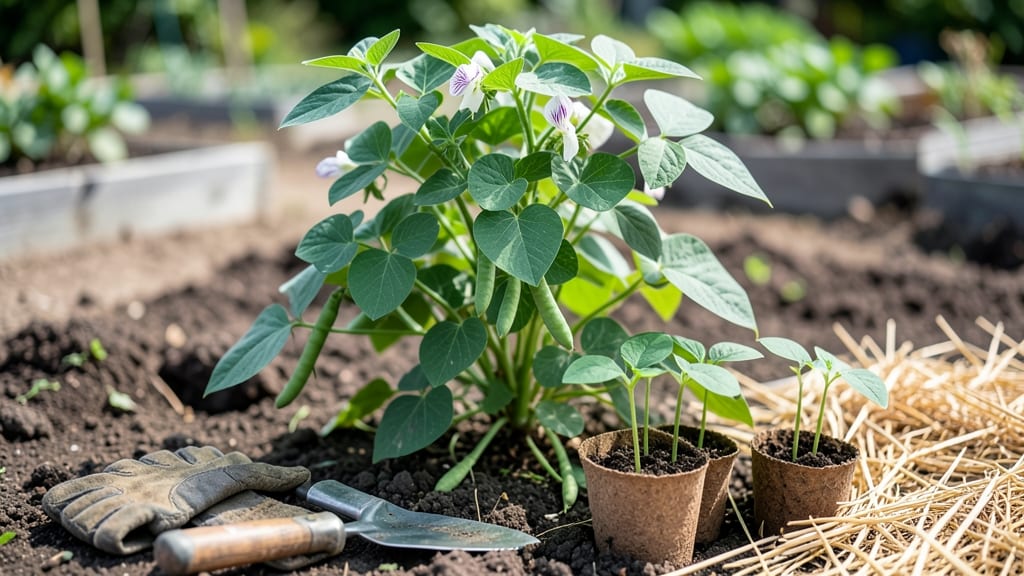
Planting beans in Missouri isn’t just about throwing seeds into the dirt—it’s about catching that perfect window when soil temps hit 60°F and the last frost has finally retreated. Get it wrong, and you’ll either wait weeks for slow germination or watch your seedlings get fried by a sudden heatwave.
I’ve learned the hard way that timing is everything, especially in Missouri’s 5b-6b zones where spring can flip from chilly to sweltering in a single week.
Most gardeners in Missouri swear by planting between April 15 and May 30 for that first spring harvest, but there’s a trick to avoiding late frosts that can wipe out tender young plants. And if you’re dreaming of a fall crop?
You’ll need to start seeds by July 1 at the latest—otherwise, you’ll be racing against October’s first frost. The key isn’t just the calendar; it’s understanding how your local microclimate plays into the game.
Here’s what I’ll show you: how to read your soil like a pro (yes, it’s easier than it sounds), which bean varieties thrive in Missouri’s short growing season, and why succession planting could mean the difference between a handful of pods and a bountiful harvest.
Let’s cut through the guesswork and get those beans growing fast.
Whether you’re a first-time gardener or a veteran with a few failed attempts under your belt, these Missouri-specific tips will help you skip the trial-and-error phase. Ready to turn your garden into a bean powerhouse? Let’s dig in.
Missouri bean planting calendar: best months by variety type
Missouri’s diverse climate—from humid St. Louis to drier Kansas City—means your bean planting schedule should match your USDA zone (5b-6a) and local frost dates. Most gardeners aim for two planting windows: spring (after last frost) and fall (for cooler-season varieties).
Let’s break down the best times for bush beans, pole beans, and specialty types like lima beans.
In northern Missouri (e.g., Columbia, St. Joseph), wait until May 1-15 after soil warms to 60°F. Southern areas (e.g., Springfield, Joplin) can start as early as mid-April if nights stay above 50°F.
Always check your local average last frost date—St. Louis typically sees frost by April 15, while Kansas City may wait until May 1.
For a fall harvest, plant pole beans in early July (they tolerate cooler temps better than bush varieties). Aim to harvest before the first frost, usually mid-October in most of Missouri. Lima beans are heat-sensitive—plant them in late May to early June for best results.
🌱
| Variety | Spring Planting Window | Fall Planting Window | Notes |
|---|---|---|---|
| Bush Beans | April 20 - May 15 (after frost) | July 1 - July 15 (for late harvest) | Compact, 45-60 days to harvest. Ideal for small gardens. |
| Pole Beans | May 1 - May 30 (soil 65°F+) | July 15 - August 1 (tolerates cooler fall) | Vining types (60-80 days). Needs trellis; extends harvest. |
| Lima Beans | May 15 - June 1 (heat-sensitive) | Not recommended (needs warm soil) | Buttery texture; plant in well-drained, warm soil. |
| Runner Beans | May 10 - June 10 (longer season) | July 10 - August 10 | Tender pods; harvest frequently to encourage growth. |
Missouri’s short growing season (about 165 frost-free days) means timing is critical. If you miss the spring window, don’t despair—succession planting every 2 weeks after the first planting can stretch your harvest until frost.
For example, plant bush beans on May 1, May 15, and June 1 to enjoy pods through early September.
Pro tip: Use black plastic mulch to warm soil faster in early spring, giving beans a head start. This is especially helpful in northern Missouri, where cool soils delay germination. Just remove the mulch before flowering to prevent overheating.
🌿
Local microclimates matter! If you’re in a river valley (e.g., near the Missouri River), soil warms earlier than upland areas. Test your soil with a soil thermometer—beans need 60°F+ for germination.
In urban areas like St. Louis, concrete and pavement can create "heat islands," so plant beans in raised beds filled with compost-rich soil to regulate temperature.
For container gardening, start seeds indoors 4-6 weeks before your last frost date. Use biodegradable pots to transplant seedlings directly into the garden, minimizing root disturbance. Dwarf varieties like Blue Lake Bush thrive in 5-gallon pots with trellises.
🪴
Soil temperature secrets: how to time planting for fast germination
Bean seeds won’t sprout until your soil hits 60°F—that’s non-negotiable. In Missouri, this usually means waiting until mid-to-late May for spring plantings, but don’t just guess. Cold soil slows germination to a crawl, leaving your seedlings vulnerable to late frosts or heat stress once they finally emerge.
I’ve seen firsthand how a 10°F difference can mean the difference between a thriving crop and weeks of waiting. For example, if your soil is only 55°F, those seeds might take 2-3 weeks to sprout instead of the usual 7-10 days.
That’s precious time lost in Missouri’s short growing season.
Here’s the secret: Use a soil thermometer (they’re cheap and lifesavers). Stick it 2 inches deep—that’s where your bean seeds will be—and check it in the morning. If it’s consistently 60°F or warmer for at least 3-5 days in a row, your seeds are ready to go.
Pro tip: Morning readings are the most accurate because soil cools overnight.
⚠️ Watch Out for False Springs!
Missouri’s false springs are notorious for luring gardeners into planting too early. Even if your soil hits 60°F in April, a late frost (common until mid-May) can wipe out your tender seedlings overnight.
Always wait 2 weeks after your average last frost date—check your local USDA zone map (most of Missouri is 5b-6b) for precision.
For example, St. Louis (Zone 6a) has an average last frost of April 15, but I wait until May 1 to be safe. In northern Missouri (Zone 5b), like near Kansas City, I push planting to May 15 to avoid frost risks.
If your soil is too cold, don’t panic—you can warm it up naturally. Lay down black plastic mulch or straw mulch a week before planting to absorb sunlight and raise temperatures.
This trick has helped me shave off 5-7 days of waiting time in cooler springs. Just remove the mulch once your seeds are in the ground to avoid overheating.
On the flip side, if your soil is above 85°F, germination speeds up—but so does disease risk. Beans love warmth, but consistent moisture becomes critical. Water deeply every 2-3 days and use drip irrigation to keep leaves dry.
I’ve seen beans bolt (flower prematurely) when stressed by heat and dryness, turning sweet pods into tough, stringy messes.
For fall plantings, aim for soil temps between 60-75°F—that’s usually July-August in Missouri. Use fast-maturing varieties like ‘Blue Lake’ or ‘Kentucky Wonder’ to harvest before the first frost (mid-October in most areas). Test your soil again in late summer to confirm it’s still in the sweet spot.