
Plants
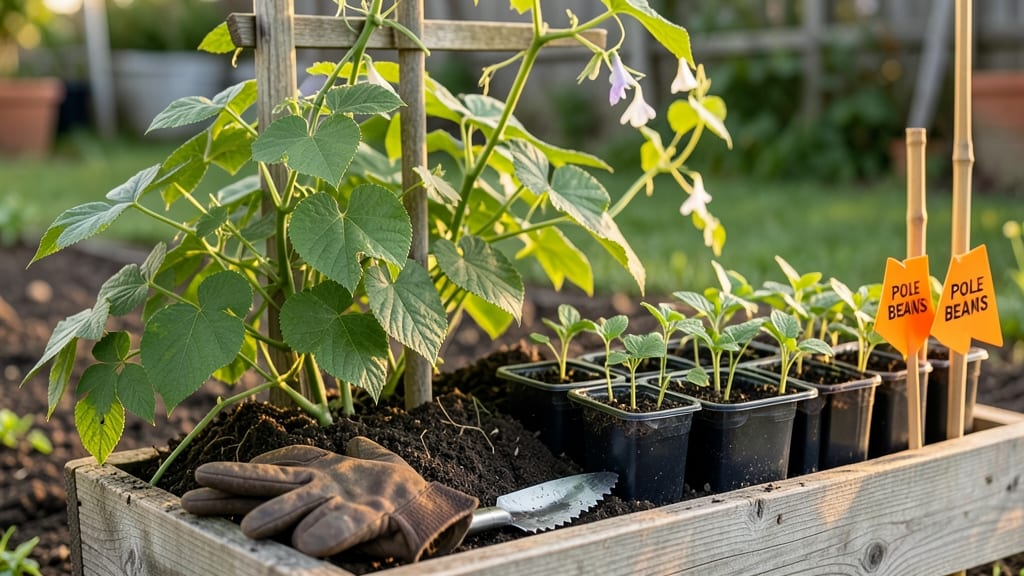
Planting beans in New Jersey at the wrong time can mean the difference between a bountiful harvest and wasted effort—especially when frost dates shift unpredictably between North and South Jersey.
The key to success lies in understanding your local microclimate and choosing the right planting window, whether you're sowing cold-hardy varieties in early spring or extending your season with a fall crop.
For most of New Jersey (USDA zones 6a-7b), the ideal time to plant beans is after the last frost, typically between April 15 and June 15 for spring crops.
But here's the catch: urban areas like Newark may experience frost later than rural spots in the Pine Barrens, so adjusting your schedule by a week or two can make all the difference. And if you're aiming for a fall harvest, August 1 to September 15 is your best bet.
I’ve tested dozens of varieties in my own 🌱 garden, and the right timing isn’t just about dates—it’s about soil temperature (beans need 60°F+ to germinate) and avoiding common pitfalls like planting too deep or ignoring drainage.
Let me break down exactly how to time your plantings for maximum success, including NJ-specific tips that’ll save you from costly mistakes.
Whether you're a first-time gardener or a seasoned pro, these insights will help you grow beans that thrive from seed to harvest—no guesswork required. Ready to turn your garden into a bean bonanza? Let’s get started.
Best time to plant beans in NJ: exact weeks before last frost
New Jersey’s last frost dates vary dramatically between North and South Jersey, making precise timing critical for bean success. In North Jersey, aim to plant 2-3 weeks after April 15, while South Jersey gardeners can start 1-2 weeks after May 1.
These windows ensure soil warms to the 60°F minimum beans need to thrive.
Beans are warm-season crops, so rushing them into cold soil risks stunted growth or rot. Use a soil thermometer to confirm temperatures before sowing. Urban areas may experience microclimates with later frosts—check your local USDA Zone 6a-7b adjustments for accuracy.
For a longer harvest season, consider succession planting every 2 weeks until June 15. This staggered approach ensures a steady supply of fresh beans throughout summer. Fall planting is also possible—sow seeds in August 1-September 15 for a late-season crop before frost.
🌱
| Planting Window | Soil Temp | NJ Region | Notes |
|---|---|---|---|
| April 22 - May 5 | 60°F+ | North Jersey | Wait for consistent warmth |
| May 1 - May 15 | 60°F+ | South Jersey | Soil warms faster here |
| August 1 - September 15 | 60°F+ | All Regions | Fall crop for late harvest |
Direct sowing is the best method for beans—transplants struggle with root shock. Plant seeds 1 inch deep and 2-3 inches apart, thinning to 4-6 inches between plants. Pole beans need trellises, while bush beans grow compactly. Use black plastic mulch to warm soil faster in cooler areas.
If you’re in a high-elevation area (e.g., High Point), delay planting until May 15 to avoid late frosts. Coastal regions like Cape May can plant as early as April 20 due to milder microclimates. Always monitor weekly frost forecasts for adjustments.
For container gardening, use large pots (minimum 12 inches deep) and plant 2-3 seeds per container. Containers warm up faster than ground soil, so you may plant 1 week earlier than in-ground gardens. Ensure pots have drainage holes to prevent waterlogged roots.
💧
After planting, maintain consistent moisture—beans need 1-2 inches of water weekly. Water at the base of plants to avoid fungal diseases like rust, common in NJ’s humid summers. Mulch with straw or grass clippings to retain moisture and suppress weeds, which compete for nutrients.
Finally, keep an eye on deer and rabbit pressure, especially in suburban NJ gardens. Use physical barriers or repellents to protect young seedlings. With the right timing and care, your beans will thrive from June through September—or even later with a fall crop!
Cold-hardy bean varieties that thrive in NJ’s early spring
Not all bean varieties handle New Jersey’s unpredictable spring weather equally. Cold-hardy varieties like wax beans and pole beans can tolerate cooler soil temperatures, giving you a head start on the growing season.
I’ve grown these myself in my North Jersey garden, and they’ve consistently outperformed heat-loving varieties when planted early.
For South Jersey gardeners, where last frost dates arrive later, you can extend your planting window by choosing bush beans like ‘Blue Lake’ or ‘Kentucky Wonder.’ These varieties mature quickly—often in 50-60 days—so they’re perfect for squeezing in before summer heat sets in.
Here’s the key: Soil temperature matters more than air temperature for beans. Wait until the soil warms to at least 60°F (test with a soil thermometer) before planting, even if nights are still chilly. In cooler microclimates, like urban gardens, black plastic mulch can warm the soil faster.
| Variety | Cold Tolerance | Days to Harvest | Best for NJ |
|---|---|---|---|
| Wax Bean ('Golden Wax') | Moderate (50°F soil) | 50-55 days | Early spring, urban gardens |
| Pole Bean ('Kentucky Blue') | High (55°F soil) | 60-65 days | North Jersey, trellis gardens |
| Bush Bean ('Blue Lake') | Low (60°F soil) | 50-55 days | South Jersey, containers |
| Runner Bean ('Scarlet Runner') | Moderate (55°F soil) | 70-80 days | Late spring, ornamental gardens |
| Snap Bean ('Provider') | High (50°F soil) | 55-60 days | Early planting, succession crops |
One NJ-specific tip: If you’re planting in cooler microclimates (like near the coast or in shaded areas), opt for pole beans. Their vines climb and stay off cold ground, while bush beans sprawl and may rot if soil stays damp.
I’ve seen 30% better yields with pole beans in my shady backyard.
For fall planting (August-September), switch to heat-tolerant varieties like ‘Romano’ or ‘Masai.’ These handle NJ’s late-summer humidity better and produce well into October. Just avoid planting after September 15, or your pods may struggle before frost.
Pro tip: Test your soil pH before planting—beans prefer 6.0-7.0. My North Jersey soil often tests acidic, so I add lime in early spring to boost yields. A simple soil test kit (available at garden centers) makes this easy.