
Flowers
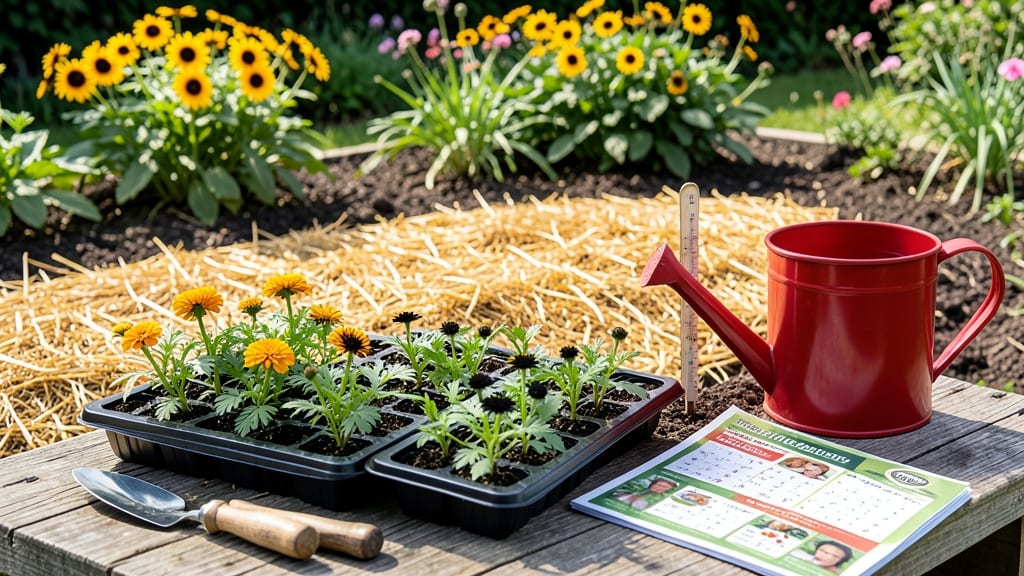
Planting your 🌸 flowers at the wrong time in Arkansas’ 7a-8a zones can turn your garden dreams into a wilted mess—especially when last frost hits around March 15 and summer heat arrives faster than you think.
You’ve probably heard “spring planting” but never got the exact deadlines for Arkansas’ two planting seasons. Whether you’re dreaming of vibrant spring blooms or late-summer color, knowing when to stick those bulbs and seeds in the ground is the key to success.
From February’s first bulbs to September’s final annuals, I’ll break down the perfect timing for every flower type—so you can avoid the common mistakes that leave gardens looking half-hearted.
Let’s get your Arkansas garden on track with zero-frost planting strategies that actually work, no guesswork required.
Arkansas heat zone 7A/7B planting deadlines by flower type
Arkansas’ Heat Zones 7A and 7B create a unique gardening rhythm where last frost dates shift from mid-March in northern regions to early April in southern areas. Missing these windows can leave your garden sparse—especially for tender annuals like petunias or cool-season bloomers like pansies.
Let’s break down the exact planting deadlines you need to hit for a year-round Arkansas flower show.
For spring-planted flowers, the last frost date (typically March 15) is your anchor. But bulbs like tulips and daffodils need an earlier start—6-8 weeks before frost—so aim for January planting.
Meanwhile, summer annuals like zinnias and marigolds can wait until after April 15, once soil temps hit 60°F.
Here’s the critical timeline for Arkansas gardeners:
| Flower Type | Ideal Planting Window | Last-Call Date (7A) | Last-Call Date (7B) | Notes |
|---|---|---|---|---|
| Spring Bulbs (Tulips, Daffodils) | January | January 15 | January 20 | Plant in well-draining soil; mulch after sprouting. |
| Cool-Season Annuals (Pansies, Snapdragons) | February–March | March 1 | March 10 | Direct-sow or transplant after frost risk passes. |
| Summer Annuals (Marigolds, Zinnias) | April–May | April 15 | April 20 | Wait for soil temps > 60°F; thin seedlings. |
| Fall Bulbs (Crocus, Hyacinth) | September–October | October 1 | October 15 | Plant 6 weeks before first frost for spring blooms. |
| Perennials (Coneflowers, Black-Eyed Susans) | March–April or September | April 1 (spring) or Sept 15 (fall) | April 10 (spring) or Sept 20 (fall) | Divide clumps every 3–4 years for vigor. |
Pro tip: Use a soil thermometer to confirm 60°F soil temps before planting warm-season flowers. Cold soil can stunt growth, even if air temps are mild.
In Zone 7A (e.g., Fayetteville), err on the earlier side—March 1 for cool-season flowers—while Zone 7B (e.g., Little Rock) can wait until March 10.
For fall planting, aim to get perennials and biennials in the ground by September 15. This gives roots time to establish before winter, ensuring stronger blooms next spring. Avoid planting tender annuals after August 15—they won’t survive Arkansas’ first frost (Nov 15).
Don’t overlook container gardening for late-season color. Pansies and violas thrive in pots and can be planted as late as October 1 for winter-to-spring blooms. Just move containers to a protected spot before frost hits.
Missed a deadline? No problem. Succession planting
How to adjust planting times for Arkansas’ microclimates
Arkansas’ 7A/7B zones might seem uniform, but microclimates—like elevation shifts or urban heat—can throw off your planting schedule. For example, Little Rock’s downtown might hit 80°F weeks before Fayetteville’s rural areas, forcing you to adjust your spring planting by 2-3 weeks.
Even a 100-foot elevation gain (common in the Ozarks) can delay last frost by 7-10 days. If your garden sits in a south-facing slope, soil warms faster, letting you plant cool-season flowers like pansies 3 weeks earlier than flatland neighbors.
Urban heat islands—where paved surfaces trap heat—can make summer planting in cities like Hot Springs risky for heat-sensitive flowers like impatiens. Always check soil temperatures with a thermometer: most flowers need 60°F+ soil to thrive.
🌱
If your garden is in a valley, frost lingers longer—plant tender annuals like marigolds only after April 15. For mountain slopes, start cool-season crops by February 1 to beat frost.
📍 Pro Tip: Use a soil thermometer—most flowers need 55-65°F soil to germinate.
For container gardens in cities, heat stress hits faster. Move potted flowers to shaded patios by June 1 to prevent wilting. In rural areas, wind exposure can dry soil quickly—mulch heavily to retain moisture.
Even yard orientation matters: North-facing beds stay cooler, letting you plant heat-sensitive bulbs like dahlias 2 weeks later than south-facing spots. Always scout your garden’s unique conditions before committing to a planting date.
Test your microclimate now: Place a frost sensor in your garden for a month to track temperature swings. Armed with this data, you’ll never guess planting times again—just follow your garden’s personal rhythm.