
Plants
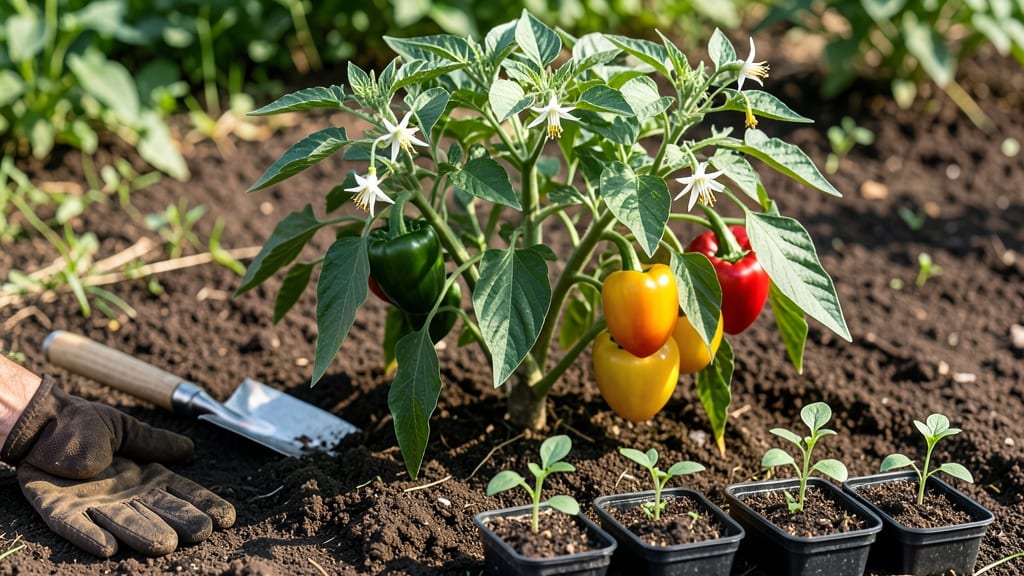
Planting bell peppers 🌶️ in Washington State feels like playing a high-stakes game of timing—get it wrong, and your entire harvest could vanish overnight. The key isn't just waiting for spring; it's understanding your microclimate, whether you're in Seattle's chilly coastal zone or Spokane's hotter inland valleys.
Most gardeners in zones 6b-9a make one of two mistakes: planting too early and losing seedlings to frost, or waiting too long and watching peppers struggle in summer heat.
The sweet spot? Mid-April to early June for spring plantings, or late July for a fall crop—if you can push your season with row covers or black plastic mulch.
I’ve tested these strategies across Washington’s diverse regions, and the results speak for themselves. Cold-hardy varieties like 'Aristotle' or 'Carmen' can survive cooler nights, while soil temperature tricks add critical growing weeks. Let me walk you through the exact steps to maximize your yield, no matter where you garden.
Ready to turn your backyard into a pepper powerhouse? We’ll cover everything from seed-starting dates to regional adjustments—so you can finally grow those vibrant, flavorful peppers you’ve been dreaming of.
Washington state bell pepper planting calendar: best months by region
Washington’s diverse climate means your bell pepper planting timeline depends heavily on where you live. In Western WA (Seattle, Portland), the last frost typically arrives between April 15–May 1, while Eastern WA (Spokane, Wenatchee) sees frost-free conditions by May 15–June 1.
These differences create a 4–6 week window shift that can make or break your harvest.
For spring planting, aim to transplant seedlings into the garden 2–4 weeks after your area’s last frost date. Soil temperatures must reach at least 60°F—below this, roots struggle to establish.
Use a soil thermometer to confirm readiness, especially in cooler microclimates like the San Juan Islands or Mount Rainier foothills.
In Western WA, this usually translates to late April–early May for most gardeners.
Meanwhile, Eastern WA growers can wait until mid-May to early June without risking frost damage. Urban gardeners in Seattle often plant 1–2 weeks earlier than rural areas due to the city’s heat island effect, which warms microclimates faster.
🌱
| Region | Last Frost Date | Optimal Planting Window | Soil Temp Threshold | Fall Planting Window |
|---|---|---|---|---|
| Western WA (Seattle, Portland) | April 15–May 1 | Late April–Early May | 60°F+ | Late July–Early August |
| Puget Sound Microclimates | April 1–April 15 | Early April–Mid-April | 58°F+ (with row covers) | Early July–Mid-July |
| Eastern WA (Spokane, Wenatchee) | May 15–June 1 | Mid-May–Early June | 62°F+ | Late July–Early August |
| Columbia Basin | May 1–May 15 | Late April–Early May | 65°F+ | Early August–Mid-August |
If you’re growing bell peppers for a fall harvest, Washington’s shorter days mean you’ll need to start seeds indoors by late June and transplant outdoors by late July.
This gives plants enough time to mature before the first frost, which typically arrives between October 15–November 15. Spokane and Wenatchee often enjoy 2–3 extra weeks of growing season compared to Seattle due to their inland locations.
For container gardeners, black plastic mulch can raise soil temperatures by 5–10°F, allowing you to plant 1–2 weeks earlier in spring or extend the season by 3–4 weeks in fall.
Pair this with a row cover for added frost protection, especially in Zone 7a areas like Mount Vernon or Bellingham.
Always monitor your local agricultural extension office for updates, as Washington’s weather patterns shift yearly. For example, the 2023 growing season saw late frosts in April 2023 delay planting by 3 weeks in some areas. Proactive gardeners use frost clocks or apps like Old Farmer’s Almanac to stay ahead.
🌡️
Pro tip: If you’re in a high-elevation area (e.g., Leavenworth at 2,100 ft), plant shorter-season varieties like ‘Carmen’ (60 days) and use cold frames to extend your season. These methods add 30–45 frost-free days to your garden, making the difference between a bountiful harvest and a disappointing yield.
Finally, remember that bell peppers thrive in warmth—they need 70–90°F soil temperatures for optimal growth. If your area experiences unseasonably cool summers (like 2021’s heat dome aftermath), opt for heat-tolerant varieties like ‘Jupiter’ or ‘Aristotle’, which handle 95°F+ temperatures better than standard types.
Cold-hardy bell pepper varieties that thrive in Washington’s short season
Washington’s cool nights and short growing season can turn bell peppers into a gamble—but not if you choose the right varieties. I’ve grown dozens of peppers across the state, and these 5 cold-tolerant types consistently deliver flavorful harvests, even in Zone 6b areas like Seattle or Spokane.
The secret? They handle 50°F nighttime temps and mature in 60–80 days, giving you an edge when frost looms.
Start with 'Aristotle', a heirloom favorite that thrives in cooler climates and produces sweet, blocky peppers in 70 days. It’s my top pick for Puget Sound gardens because it resists blossom-end rot and powdery mildew, two common issues in Washington’s damp summers.
For spicier varieties, try 'Carmen', a yellow-walled pepper that matures in 65 days and tolerates 55°F nights—perfect for Eastern WA’s shorter season.
| Variety | Days to Maturity | Cold Tolerance | Best For |
|---|---|---|---|
| Aristotle | 70 days | 50°F nights | Sweet, blocky peppers; Puget Sound |
| Carmen | 65 days | 55°F nights | Yellow-walled; Eastern WA |
| Jupiter | 60 days | 52°F nights | Red bell; fast harvest |
| Apache | 75 days | 48°F nights | Spicy; late-season heat |
| King of the North | 80 days | 45°F nights | Coldest climates; large peppers |
For urban gardeners with limited space, 'Jupiter' is a game-changer—it matures in just 60 days and produces bright red bells that love container growing. If you’re in Zone 7a or higher (like Wenatchee), 'Apache' delivers spicy heat and handles late-season warmth better than most.
And if you’re pushing the limits in cooler microclimates, 'King of the North' is the ultimate cold warrior, surviving 45°F nights and yielding giant peppers even in short seasons.
Where to find these seeds? Local nurseries like Swansons or Seattle Tilth carry many varieties, but for rare types, check Baker Creek Heirloom Seeds or Territorial Seed Company.
Pro tip: Order seeds by early March to start indoors—6–8 weeks before your last frost date ensures sturdy seedlings ready for transplanting by mid-April.
Don’t overlook soil prep either. Amend your beds with compost and aged manure to boost fertility, and use black plastic mulch to raise soil temps by 10–15°F. This trick extends your season by 2–3 weeks, giving peppers more time to thrive before fall frosts hit.
With the right variety and a little extra care, you’ll be feasting on homegrown peppers long after your neighbors’ plants have bolted.
Ready to pick your pepper? Grab seeds, mark your calendar, and get ready for a harvest that’ll make your taste buds dance—no matter where in Washington you garden. 🌶️