
Plants
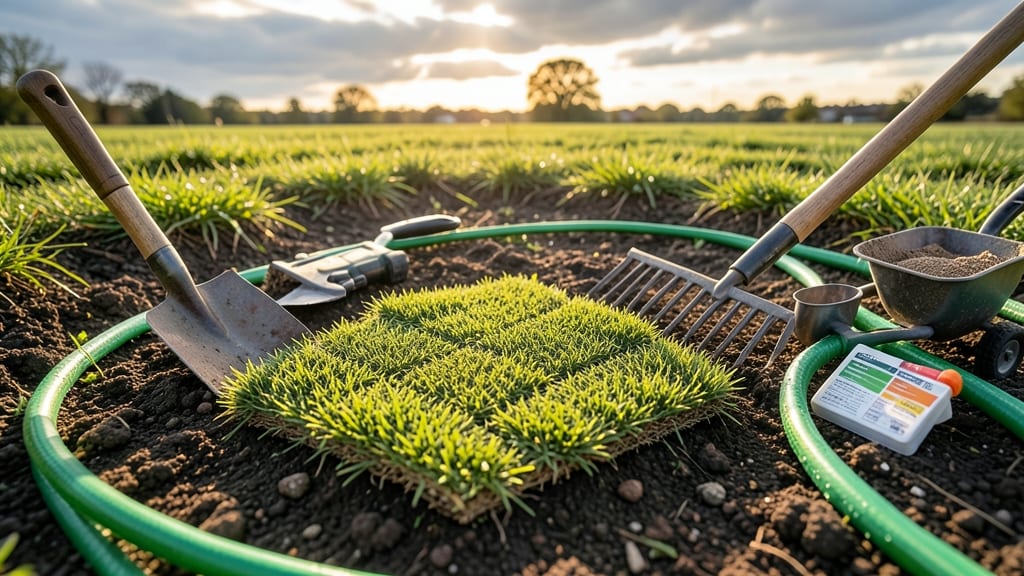
Planting Bermuda grass in Florida when soil temperatures hit 75°F+ is the game-changer for a lawn that spreads fast and stays resilient through the brutal summer heat.
You’ve probably seen neighbors with lush green patches while your own grass struggles—timing makes all the difference, especially in Florida’s 8a-11 zones where the wrong window means weak roots and wasted effort.
This warm-season grass thrives when the ground warms up, which in Florida typically means spring or early summer. But here’s the catch: planting too early (like February in cooler North Florida) can leave your grass vulnerable to cold snaps, while waiting too long (past July) risks drought stress.
The key is catching that sweet spot when the heat triggers germination without overwhelming young shoots.
I’ll break down exactly when to plant based on your region—whether you’re in the Panhandle’s milder climate or South Florida’s year-round warmth—plus how to prep your soil for fast establishment. No more guessing games: just science-backed timing to get your lawn off to a running start.
Ready to skip the trial-and-error? Let’s dive into the perfect planting windows and pro tips to ensure your Bermuda grass takes hold like a champ—no matter where you are in the Sunshine State.
Optimal planting windows for Bermuda grass in Florida’s climate zones
Florida’s climate zones—North (8a-9a), Central (9b-10a), and South (10b-11)—dictate the best times to plant Bermuda grass for fast germination and heat resilience. Unlike cooler climates, Florida’s warm soil triggers (consistently above 75°F) are your green light to start planting.
In North Florida, aim for late April to early June when soil temperatures stabilize above 75°F. This window avoids early-season cold snaps that can stunt growth. Meanwhile, Central and South Florida can plant as early as March, thanks to their year-round warmth.
Late summer (August-September) is another ideal window for sod installation in all zones, as rising humidity and heat help Bermuda grass establish roots quickly before winter dormancy. This strategy leverages Florida’s natural heat to accelerate growth.
Here’s how each Florida region aligns with Bermuda grass’s heat-loving nature and soil temperature triggers:
For seed planting, prioritize spring (March-May) when soil warmth and increasing daylight combine to fuel rapid germination. In contrast, sod installation thrives in late summer because established sod roots faster in high humidity and heat.
Pro tip: Use a soil thermometer to confirm 75°F+ soil temps before planting. This simple tool prevents wasted effort by ensuring your Bermuda grass seeds or sod get the heat kickstart they need to thrive.
Regional microclimates matter too—coastal areas may plant earlier than inland zones due to moderating ocean breezes. Always adjust your timeline by 1-2 weeks based on local weather patterns.
If you’re in North Florida and miss the spring window, don’t panic—Bermuda grass is drought-tolerant once established, so late summer planting still yields strong results. Just be prepared for intensive watering during the first 4 weeks to help roots establish.
For Central and South Florida, almost any month works, but avoid planting in peak summer (June-July) unless you’re installing sod. Seed germination struggles in extreme heat (above 90°F), so opt for shade cloth or daily watering if you plant outside the ideal windows.
Remember: Bermuda grass’s aggressive growth habit is a double-edged sword. Planting at the right time ensures it spreads quickly and evenly, while poor timing leads to patchy, slow-growing lawns that struggle in Florida’s heat.
Signs your Florida soil is ready for Bermuda grass planting
Before you rush to plant your Bermuda grass, checking your soil temperature and moisture levels can save you from wasted effort. In Florida, the soil needs to hit at least 75°F for seeds to germinate properly—any cooler, and your grass will struggle to take root.
I’ve learned the hard way that waiting for the right conditions makes all the difference between a thriving lawn and a patchy disappointment.
One of the easiest ways to test soil temperature is by using a soil thermometer or even a reliable weather app that tracks ground temps. If you’re planting in North Florida, aim for late April to early May when the ground consistently stays warm.
In Central and South Florida, you can start as early as March, but always double-check—soil warms faster in sandy areas than in clay-heavy spots.
Here’s a quick checklist to confirm your soil is ready: it should feel warm to the touch, have a moist but not soggy consistency, and show signs of active microbial life (like earthworms).
If your soil is too dry, give it a good drink of water 24 hours before planting to help the seeds stay hydrated during germination.
🌱 Ready-to-Plant Soil Checklist
- 🌡️ Soil temp: 75°F+ (use a thermometer for accuracy)
- 💧 Moisture: Damp but drains well (no standing water)
- 🐛 Life signs: Earthworms or insects present (healthy soil)
- ☀️ Sunlight: 6+ hours of direct sun daily (Bermuda grass demands full sun)
- 🔥 Heat tip: If ground feels warm but seeds won’t germinate, try covering with black plastic for 1-2 weeks to speed up warming
If your soil isn’t quite ready, don’t panic—you can accelerate warming with a few tricks. Laying down black plastic sheeting for 1-2 weeks before planting traps heat and raises soil temps faster than waiting for nature.
This is especially useful in North Florida where cooler springs can delay planting. Just remove the plastic right before seeding to avoid smothering the young grass.
Another pro tip? Mulch lightly with straw after planting to retain moisture while allowing sunlight to reach the soil. Bermuda grass seeds need consistent moisture to germinate, but they’ll rot if the soil stays soggy.
Aim for 1-1.5 inches of water per week once planted, and always water in the early morning to reduce evaporation and fungal risks.
Once your soil passes these checks, you’re golden—your Bermuda grass will sprout within 7-14 days and start spreading aggressively. The key is acting when conditions are perfect, not waiting until it’s too late.
Trust me, your lawn will thank you when it’s thick, green, and ready to handle Florida’s summer heat like a champ.