
Plants
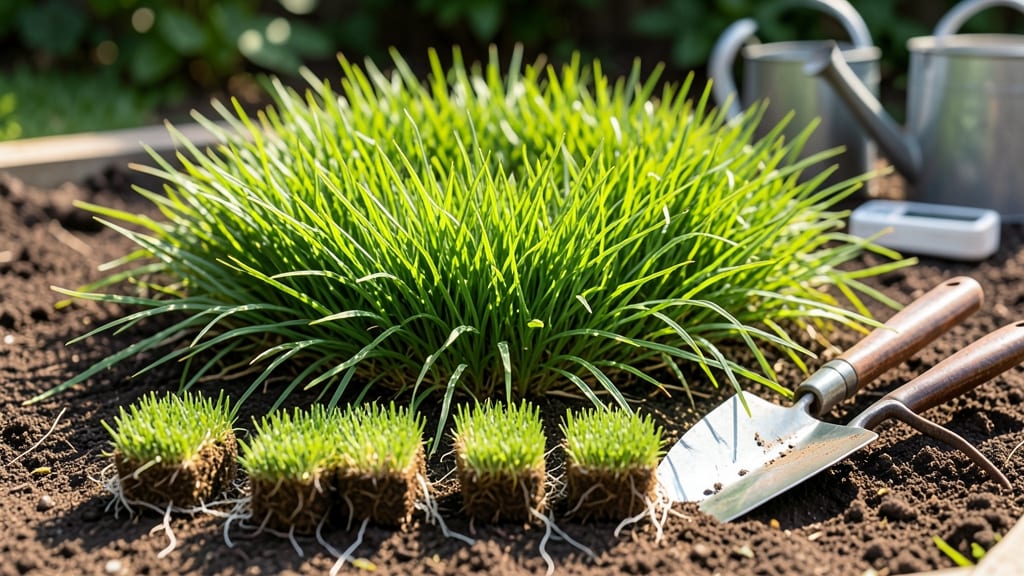
If your Kansas lawn struggles with summer heat and drought, bermuda grass 🌱 could be the game-changer you’ve been waiting for—but planting it at the wrong time means wasted effort.
Too early, and frost will kill your seedlings before they take root; too late, and you’ll miss the ideal window for fast, deep establishment before summer’s scorching heat arrives.
Kansas gardeners know timing is everything, especially when dealing with USDA zones 5b-7a where frost can linger into May. The secret to success isn’t just waiting for spring—it’s tracking soil temperatures.
When those top few inches hit 75°F or higher, that’s your cue to plant, whether you’re laying sod, seeding, or sprigging. I’ll break down the exact window and tools to help you nail it every time.
Why does this matter? Because fast establishment means a thicker, drought-resistant lawn by July. No more patchy spots or weeds taking over—just a lush carpet that thrives when other grasses wilt. Let’s dive into the science-backed timing and methods that work best for Kansas’ unpredictable climate.
From avoiding common mistakes to choosing the right planting method, I’ll cover everything you need to know to get your bermuda grass 🌱 off to a running start. Whether you’re a first-time planter or a seasoned gardener, these insights will save you time, money, and frustration.
Kansas bermuda grass planting timeline: soil temperature rules for success
Bermuda grass thrives in Kansas' intense heat but needs precise timing to establish strong roots before summer arrives. The key factor isn't just the calendar date—it's soil temperature. For Kansas gardeners, planting when soil reaches 75°F+ ensures rapid root growth and drought resistance once established.
Kansas' USDA zones 5b-7a mean frost dates vary dramatically. In western Kansas, the last frost typically occurs around April 15, while eastern regions may see frost until May 1. Planting too early risks frost damage, but waiting too long delays establishment before summer heat arrives.
Here's the science behind perfect timing: Bermuda grass seeds germinate best at 75-85°F soil temperatures. Using a soil thermometer (available for $10-$15) lets you track this critical metric. Most Kansas lawns hit this temperature between late April and early June.
For spring planting, aim to have your bermuda grass fully established before July 1. This gives roots 2-3 months to develop before summer drought stress begins. Fall planting (August-September) works too, but requires different soil prep techniques we'll cover later.
🌱
| Planting Window | Soil Temp Requirement | Kansas Region Timing | Key Consideration |
|---|---|---|---|
| Spring Planting | 75°F+ consistently |
Western KS: Late April
Central KS: Early May Eastern KS: Mid-May |
Establish before July heat |
| Fall Planting | 65°F+ consistently |
All Regions: August-Sept
Best Window: Before Sept 15 |
Root development before frost |
| Critical Avoid Zone | Below 60°F | Before April 1 or after June 15 | Seeds won't germinate properly |
To check your soil temperature, insert a thermometer 2-3 inches deep in full sun. Take readings at 10 AM and 2 PM for accuracy—Kansas soils can vary dramatically between morning and afternoon. Most garden centers sell digital soil thermometers that give instant readings.
For Kansas gardeners in USDA zone 5b, consider using black plastic mulch to warm soil faster. Lay it down 2-3 weeks before planting to raise soil temperatures by 5-10°F. This technique lets you plant earlier in northern Kansas where frosts linger longer.
Remember that bermuda grass spreads aggressively once established. For new lawns, plan to have 60-70% coverage by July 1 to outcompete weeds. This means starting with either sod or sprigs rather than seed if you're planting late in the window.
🌡️
Pro tip: If you're planting seed, consider using a pre-emergent herbicide after germination to prevent crabgrass competition. The best time to apply is when bermuda grass reaches 2-3 inches tall, typically 4-6 weeks after planting in Kansas' climate.
For those in southern Kansas (zone 7a), you can push the envelope slightly. Planting as early as mid-April with black plastic mulch often works, but always verify soil temps. The risk of late frosts in this region makes waiting until early May the safer bet.
Kansas bermuda grass planting timeline: soil temperature rules for success
Timing your bermuda grass 🌱 planting in Kansas isn’t just about waiting for spring—it’s about understanding your soil’s internal clock. The critical trigger is soil temperature, not air temperature. Bermuda grass roots struggle to establish below 65°F, but they explode in growth once hitting 75°F+.
In Kansas’ USDA zones 5b-7a, this typically means planting between mid-April and early June, but your exact window depends on where you live in the state.
For example, Wichita’s last frost usually hits around April 15, while Kansas City might see frost lingering until May 1. The key is to plant 2-3 weeks after your average last frost date—this gives young roots time to establish before summer’s heat arrives.
Use a soil thermometer (available for under $15) to check temperatures at 4-inch depth—that’s where bermuda grass roots will grow most actively.
Here’s the golden rule: Aim to have your bermuda grass fully established by June 1. This gives it a 3-month head start before summer’s peak heat, reducing stress and water needs.
If you plant after early June, you’ll miss this window and risk slower establishment, making your lawn more vulnerable to weeds and drought.
| Planting Stage | Soil Temp Requirement | Kansas Timeline | Key Action |
|---|---|---|---|
| Soil Prep | 60°F+ | Mid-March to April | Test pH (6.0-7.0), till soil, remove debris |
| Ideal Planting Window | 75°F+ (4" depth) | Late April - Early June | Plant sod, seed, or sprigs |
| Establishment Goal | N/A | By June 1 | Full coverage before summer heat |
| Fall Planting | 65°F+ | August - Early Sept | Repair thin areas or overseed |
Don’t overlook fall planting either—it’s a smart strategy for Kansas gardeners. While spring is ideal, planting in August or early September gives bermuda grass time to establish roots before winter dormancy.
The soil stays warm enough (65°F+) for root growth, and you’ll see faster spring green-up the following year. This is especially useful if you missed the spring window or want to fill in thin patches.
Pro tip: If you’re using sod, it can handle slightly cooler soil (60°F+) than seed, but still wait until after the last frost. For seed or sprigs, stick to the 75°F+ rule—they need warmth to germinate.
I’ve seen gardeners in southwest Kansas plant as early as late March with success, while those in northeast Kansas often wait until mid-May. Your local Cooperative Extension office can provide frost date averages for your specific county.
Remember, consistency is key once you plant. Bermuda grass needs 1 inch of water weekly during establishment, but deep, infrequent watering (like 2-3 times per week) encourages stronger roots. Avoid shallow watering—it leads to weak, shallow root systems that can’t handle Kansas’ summer droughts.
With the right timing and care, your bermuda grass will be the envy of the neighborhood by July! 🌿