
Plants
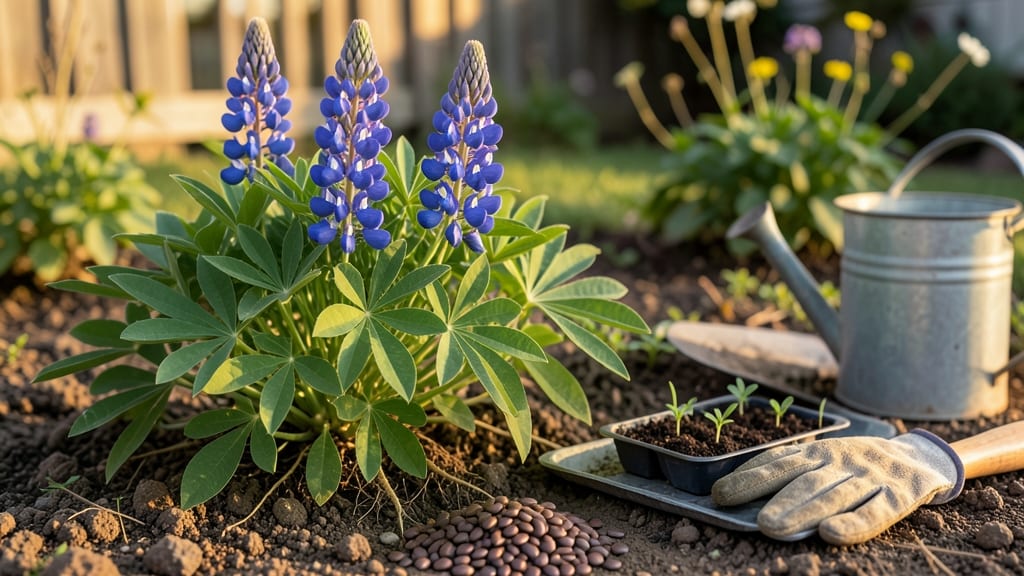
Planting bluebonnet seeds at the wrong time in North Texas can mean the difference between a stunning spring carpet of 🌸 and a patch of brown disappointment.
The key to unlocking those iconic blue blooms lies in understanding your local frost dates and soil temperatures—because these hardy natives need a little winter chill to perform their best.
Most gardeners in USDA Zone 8a swear by late September through October as the sweet spot, but timing isn't one-size-fits-all.
Whether you're in Dallas or Waco, planting too early risks frost damage to tender seedlings, while waiting too long might leave your bluebonnets struggling to establish roots before winter sets in. Let me show you exactly how to nail those planting weeks for maximum bloom potential.
What makes bluebonnets so special is their ability to thrive with minimal fuss once they're in the ground. Unlike finicky annuals, these Texas natives handle our dry spells and occasional freezes like a pro—but they do need that perfect window to germinate and grow strong before the cold hits.
I'll walk you through the exact steps to prepare your soil and set your seeds up for success.
Ready to transform your yard into a bluebonnet paradise? The secret isn't complicated—it's about working with nature's timeline. Let's dive into the exact weeks before your last frost that will give you those show-stopping spring displays year after year.
Optimal bluebonnet planting weeks before last frost in North Texas
North Texas gardeners know that bluebonnets (Lupinus texensis) are the state flower for a reason—they create stunning blue carpets that transform landscapes. But getting those blooms requires precise timing.
The last average frost date in Dallas/Fort Worth typically falls around March 15, while Waco sees it slightly earlier, around March 1.
To ensure robust growth, plant your seeds 6-8 weeks before your local last frost date, which for most of North Texas means late September to early October.
Bluebonnet seeds need consistent soil temperatures between 40-50°F to germinate successfully. Planting too early in summer heat can cause seeds to dry out, while waiting until November risks insufficient root establishment before winter dormancy. The ideal window balances these factors perfectly, aligning with North Texas's USDA zones 8a-8b climate patterns.
Here’s the exact timing breakdown for three key North Texas regions, including soil prep and moisture needs for peak germination:
| Region | Last Frost Date | Optimal Planting Window | Soil Temp for Germination | Moisture Needs |
|---|---|---|---|---|
| Dallas/Fort Worth | March 15 | Late September - Early October | 45-50°F | Light, consistent rain or 1" water |
| Waco | March 1 | Mid-September - Late September | 40-45°F | Light, consistent rain or 1" water |
| Amarillo | March 22 | Early October - Mid-October | 45-50°F | Light, consistent rain or 1" water |
For best results, scatter seeds directly onto well-draining soil without covering them—bluebonnets need light to germinate. After sowing, keep the soil lightly moist but avoid waterlogging, which can suffocate seeds. A light mulch of straw (1/4 inch thick) helps retain moisture without smothering the seeds.
If you miss the fall window, you can plant in early spring (February), but expect smaller blooms since the plants won’t have time to establish deep roots before summer heat arrives. Spring planting is riskier in North Texas due to unpredictable late frosts and intense summer droughts.
Pro tip: Native bluebonnets thrive in poor, rocky soil, so don’t over-fertilize. In fact, too much nitrogen can reduce flowering. Instead, focus on light soil prep—just rake away debris and loosen the top inch of soil to improve seed-to-soil contact.
Once planted, bluebonnets enter dormancy in winter and burst into bloom in late winter to early spring (March-May). The cold stratification they experience during North Texas winters actually enhances germination, so don’t rush to protect them from frost—let nature do its work.
To maximize your bluebonnet display, plant seeds in full sun locations (6+ hours of direct sunlight daily) and avoid areas prone to water pooling. In drought-prone North Texas, established bluebonnets need minimal water once rooted—just bi-weekly soaks during dry spells.
Watch for bright green foliage by December—this is your sign the seeds have successfully germinated and are ready to weather the winter. By March, you’ll be rewarded with vibrant blue blooms that turn every field and garden into a Texas masterpiece.
Optimal bluebonnet planting weeks before last frost in North Texas
North Texas gardeners know that bluebonnets are the state flower for a reason—they paint our landscapes with vibrant blue when timed perfectly. The magic happens when you plant 6-8 weeks before your average last frost date, which for most of North Texas falls around March 15.
That means aiming for late September through early October gives your seeds the best chance to germinate, establish roots, and survive winter dormancy.
For Dallas/Fort Worth (Zone 8a), the ideal window is September 20-October 10, while Waco (Zone 8b) can push slightly later to October 1-15. The key is waiting until soil temperatures drop to 40-50°F—this chilling period actually signals the seeds to germinate.
Use a soil thermometer to check; if it's still above 55°F, hold off for a week or two.
Here’s the golden rule: Never plant after October 31 in most of North Texas. By then, the ground may be too cold for germination, and your seeds could rot before sprouting.
The exception? If you’re in higher elevations like the Hill Country, you might squeeze in early November plantings—but only if your soil stays workable and frost isn’t imminent.
| Region | Last Frost Date | Ideal Planting Window | Soil Temp for Germination |
|---|---|---|---|
| Dallas/Fort Worth | March 15 | Sept 20–Oct 10 | 40–50°F |
| Waco | March 10 | Sept 25–Oct 15 | 42–52°F |
| Amarillo (Zone 7b) | March 5 | Sept 10–Oct 5 | 38–48°F |
| Hill Country (e.g., Fredericksburg) | March 20 | Oct 1–Nov 1 | 45–55°F |
🌱 Pro Tip: Check your local Almanac frost dates for precise timing—even a few miles can shift your window by a week.
Moisture is just as critical as temperature. Bluebonnet seeds need consistent soil moisture to germinate, but they hate soggy conditions. After sowing, water gently to keep the top inch of soil moist—think of it like a damp sponge, not a swamp.
If your area gets regular rain in October, you might not need to water at all. Just monitor the soil; if it’s dry below ½ inch, give it a light drink.
One common mistake? Assuming bluebonnets will thrive in heavy clay soil without prep. While they’re tough, they perform best in well-draining soil. If your yard is clay-heavy, mix in compost or coarse sand before planting.
This improves drainage and gives those tiny seeds room to breathe. A quick soil test for pH between 6.0–7.0 also ensures your bluebonnets won’t struggle to access nutrients.
Remember, bluebonnets are winter annuals—they germinate in fall, grow slowly through winter, and then explode with color in spring. The earlier you plant within your window, the larger and more robust your plants will be by bloom time.
But don’t stress if you miss the ideal window; even late October plantings can succeed if your winter isn’t brutal. The goal is to give those seeds a head start before the ground freezes.