
Plants
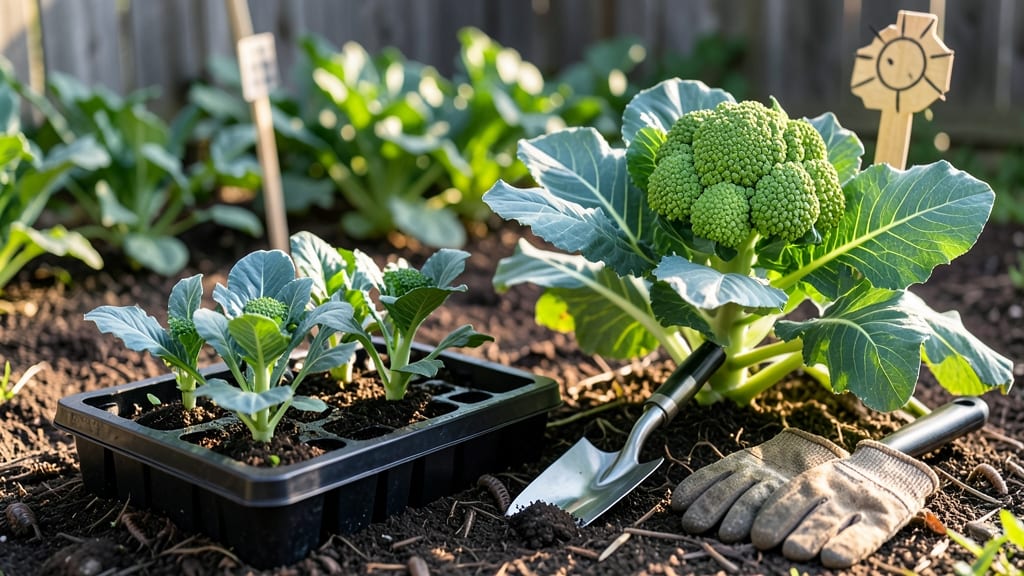
Planting broccoli in Zone 9b isn’t just about timing—it’s about outsmarting the heat to avoid bitter-tasting bolts before you even get to harvest. The ideal window for your 🥦 is narrow, and missing it means watching your plants race toward flowers instead of flavorful crowns.
Most gardeners in Phoenix or Southern California desert regions assume fall planting is the only option, but the truth is even trickier.
You’ll want to start seeds or transplants 6–8 weeks before temperatures drop below 75°F, which in Zone 9b means late October through early November for the best results.
Here’s the game-changer: succession planting. By staggering your broccoli every 3 weeks in fall, you’ll stretch your harvest from February through April—just as the heat ramps up and other veggies fade. It’s how you turn a high-risk gamble into a steady supply of homegrown goodness.
I’ll walk you through the exact steps to prep your soil, pick the right varieties, and keep your plants cool enough to thrive—no guesswork, just zero-bolt success. Let’s get those seeds in the ground the right way.

Best planting weeks for broccoli in Zone 9b (fall & winter)
Zone 9b’s warm winters and hot summers make broccoli planting a delicate timing game. Unlike cooler zones, you’ll skip spring planting entirely and focus on fall and winter windows to avoid the dreaded bolting.
The key? Plant when daytime highs stay below 75°F (24°C)—any hotter, and your broccoli will bolt (flower prematurely) before you get a harvest.
For direct sowing (planting seeds straight into the garden), aim for late September through October. This gives seedlings time to establish roots before winter’s mild chill. If you prefer transplants (young plants from nurseries), start them in October or November for a winter harvest.
Transplants mature faster, so they’re ideal if you’re short on time.
Here’s the critical rule: Never plant broccoli in Zone 9b during summer months (June–August). The heat will trigger bolting within weeks. Even late spring (May) can be risky if temperatures creep above 80°F (27°C).
Your best bet? Stick to the fall-winter schedule and use shade cloth if temperatures flirt with 85°F (29°C).
| Planting Window | Method | Ideal Months | Harvest Window | Notes |
|---|---|---|---|---|
| Fall Direct Sow | Seeds | Late Sept–Oct | Jan–March | Slow to sprout; keep soil moist. |
| Fall Transplants | Nursery Plants | Oct–Nov | Dec–Feb | Faster harvest; choose heat-tolerant varieties. |
| Winter Succession | Transplants | Dec–Jan | Feb–April | Extend harvest with shade cloth if temps rise. |
Zone 9b gardeners often ask: Can I plant broccoli in spring? The answer is a cautious maybe, but only in cooler microclimates like high desert areas or shaded spots. For most of Zone 9b (e.g., Phoenix, Palm Springs), spring planting is a gamble.
If you attempt it, use 50% shade cloth and monitor temps closely. I’ve seen broccoli bolt in March when daytime highs hit 82°F (28°C).
Pro tip: Pair your broccoli with companion plants like bush beans or lettuce to maximize space. Beans fix nitrogen in the soil, which broccoli loves, while lettuce thrives in the same cool conditions. This intercropping strategy also helps you rotate crops efficiently in small gardens.
For container gardening in Zone 9b, choose dwarf varieties like ‘Little Sprint’ and plant in 14-inch pots with well-draining soil. Containers warm up faster, so move them to a shaded patio during afternoon heat. Water containers daily in summer—even if you’re not planting—because dry soil speeds up bolting.
Remember: In Zone 9b, timing is everything. Plant too early in fall, and your broccoli might bolt before winter cools down. Plant too late, and you’ll miss the winter harvest window.
The 6–8 week rule applies here: Count back 6–8 weeks from your average first frost date (which is rare in Zone 9b, but aim for December 1 as a safe cutoff for fall planting).
If you’re new to Zone 9b gardening, start with transplants instead of seeds. They’re more forgiving and give you a head start on the season. And always harden off your transplants for 3–5 days before planting—Zone 9b’s dry air can shock tender seedlings.
Finally, don’t forget to mulch heavily after planting. A 3-inch layer of straw or wood chips keeps soil cool, retains moisture, and suppresses weeds.
In my own Zone 9b garden, mulched broccoli plants stayed 10°F cooler than unmulched ones during heat spikes—making the difference between a harvest and a bolting disaster. 🌱
Best planting weeks for broccoli in Zone 9b (fall & winter)
Zone 9b’s mild winters and hot summers make broccoli a tricky crop to grow, but timing is everything. The optimal window for planting broccoli in this region is late October through early November, when daytime temperatures drop below 75°F.
This gives your plants enough time to establish roots before the cooler winter months kick in.
If you’re starting from transplants, aim for 6–8 weeks before your target harvest date. For example, to enjoy broccoli in February, plant transplants by mid-December.
Direct sowing seeds can happen slightly later, around mid-November, since they germinate slower and need consistent moisture to avoid drying out.
Here’s the critical timeline to follow for a successful harvest in Zone 9b:
| Stage | Action | Notes |
|---|---|---|
| Soil Prep | Test pH (6.0–7.0), amend with compost | Use organic matter to retain moisture |
| Transplant | Late October–Early November | Avoid heat stress; water deeply after planting |
| Direct Sow | Mid-November | Keep soil moist; use shade cloth if needed |
| Succession Plant | Every 3 weeks | Extend harvest through April |
| Harvest | February–April | Pick heads before yellow flowers appear |
Succession planting is your secret weapon in Zone 9b. By planting new batches every 3 weeks from October through December, you’ll ensure a steady supply of fresh broccoli well into spring. This method works especially well in container gardens, where you can easily rotate crops and control soil conditions.
One common mistake in Zone 9b is planting too early in September. While it might seem like a good idea to beat the heat, broccoli planted this late will often bolt prematurely as temperatures rise.
Stick to the late fall schedule to avoid this pitfall and enjoy a bountiful harvest.
Finally, don’t forget to space your plants properly. Broccoli needs 18–24 inches between plants to thrive, giving them room to develop those plump, flavorful heads without competing for nutrients. In tight spaces, opt for dwarf varieties like ‘De Cicco’ to save room for other cool-season crops.
With this precise timing, your broccoli will grow strong, avoid bolting, and reward you with a harvest that lasts well into spring—just as other veggies start to fade in the heat. 🌱