
Plants
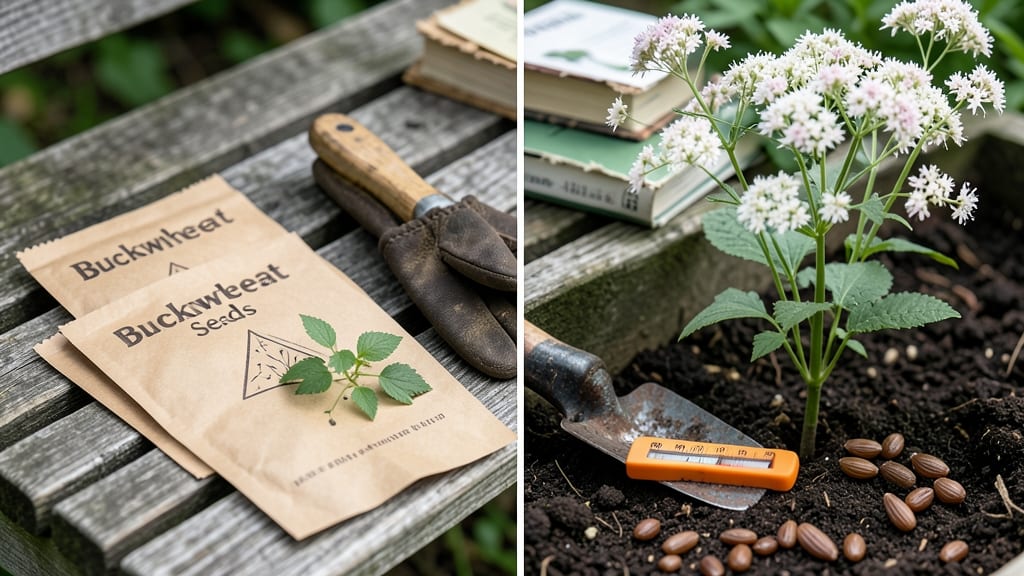
If you're wondering when to plant buckwheat in NC, timing is the secret weapon for a thriving garden—this fast-growing cover crop 🌾 can transform your soil in just 60 days if planted right. Skip the guesswork and avoid common mistakes that leave gardeners with weak growth or wasted effort.
North Carolina's 7a-8b climate gives buckwheat a perfect window from late spring to early summer, but planting too early risks frost damage while waiting too late cuts harvest potential. The key? Planting 8-10 weeks before your first frost (typically by early June) ensures maximum growth before summer's heat peaks.
Whether you're growing buckwheat for grain, forage, or soil improvement, this guide breaks down the exact weeks before frost that work best in your region. We'll cover soil prep, microclimate adjustments, and how to spot the perfect planting moment—so you can enjoy a bountiful harvest by late summer.
Ready to grow buckwheat like a pro? Let's dive into the fastest, most reliable planting schedule tailored for NC gardeners, plus pro tips to keep your crop thriving until harvest time.
Buckwheat planting schedule in NC: exact weeks before frost for optimal growth
North Carolina’s diverse climate means buckwheat planting times vary dramatically between the Coastal Plain, Piedmont, and Mountain regions. While buckwheat thrives in warm weather, planting too early risks frost damage, and planting too late cuts yields.
The key is understanding your average first frost date and working backward from there.
Most NC gardeners aim to plant buckwheat 8-12 weeks before the first frost of fall. This timing ensures plants mature before cold weather arrives.
For example, in Raleigh (Piedmont), where frost typically hits by mid-November, planting in late July to early August gives buckwheat enough time to grow, flower, and produce seed before winter.
In Coastal NC, where frost arrives slightly later (early to mid-November), you can extend planting into early September. Meanwhile, in the Mountains (Asheville area), cooler temperatures mean buckwheat should be planted by late July to avoid early frost risks.
Here’s a quick reference for NC’s three main regions:
| Region | First Frost Date | Ideal Planting Window | Weeks Before Frost |
|---|---|---|---|
| Coastal Plain (Wilmington) | Early November | Late July - Early September | 9-12 weeks |
| Piedmont (Raleigh) | Mid-November | Late July - Early August | 8-10 weeks |
| Mountains (Asheville) | Early October | Late June - Late July | 7-9 weeks |
For gardeners in transition zones (like the Sandhills or Highlands), check your local Cooperative Extension Service for precise frost dates.
Buckwheat’s fast growth (maturing in 60-90 days) makes it ideal for succession planting—you can even squeeze in a second planting in early summer if your first crop finishes early.
If you’re growing buckwheat as a cover crop (to suppress weeds and improve soil), plant it 4-6 weeks before your intended harvest date. This gives it time to establish but not fully mature, leaving the soil enriched for your next crop.
In NC, this often means planting in late summer (August-September) for a fall harvest.
One common mistake is planting buckwheat too early in spring. While it tolerates heat, young plants can struggle with cool soil temperatures below 50°F (10°C). Always wait until after your last frost date (typically mid-April in NC) and when soil is warm to the touch.
For grain production, aim for a late summer planting (June-July) to ensure seed heads mature before frost. If you’re growing buckwheat for forage or pollinators, an earlier planting (May-June) works well, as the focus shifts to biomass rather than seed production.
Pro tip: Use a soil thermometer to confirm soil temps are above 50°F (10°C) before planting. Buckwheat’s roots thrive in warm soil, and cooler conditions can delay germination by 3-5 days.
How to adjust buckwheat planting time for NC’s microclimates and soil conditions
North Carolina’s diverse microclimates and soil types can shift buckwheat’s ideal planting window by weeks. Sandy soils in the Coastal Plain dry out faster, while clay-heavy Piedmont soils stay damp longer—both affect when you should sow.
Even elevation changes of just 500 feet can alter frost dates by 1-2 weeks, throwing off your schedule if you’re not prepared.
Start by checking your local frost dates (Coastal areas average November 15, while mountain regions hit frost by October 20). Buckwheat needs 60-90 days to mature, so adjust planting to ensure harvest before the first hard freeze.
For example, mountain gardeners should plant by early July, while Coastal gardeners have until mid-July.
Use a soil thermometer to confirm readiness—buckwheat seeds won’t germinate below 50°F. In sandy soils, which warm quickly, you can plant as early as late May in the Coastal Plain, but wait until June 10 in clay-heavy Piedmont areas.
For mountain gardens, prioritize shorter-day varieties to mature before frost.
Monitor 7-day rainfall forecasts before planting. If dry conditions are predicted, water deeply 2 days before sowing to kickstart germination. In high-elevation zones, consider a row cover to extend the growing season by 2-3 weeks—this lets you plant later and still harvest before frost.
Pro tip: Mark your calendar for August 15 as the last safe planting date in most of NC. By then, buckwheat will have 8-10 weeks to mature before the first frost. For grain production, aim for harvest by September 15 to avoid seed shattering.
Adjusting for your microclimate isn’t just about dates—it’s about soil health and plant resilience. With these tweaks, your buckwheat will thrive whether you’re in the humid Coastal Plain or the cooler mountain valleys. Happy planting! 🌱