
Planting
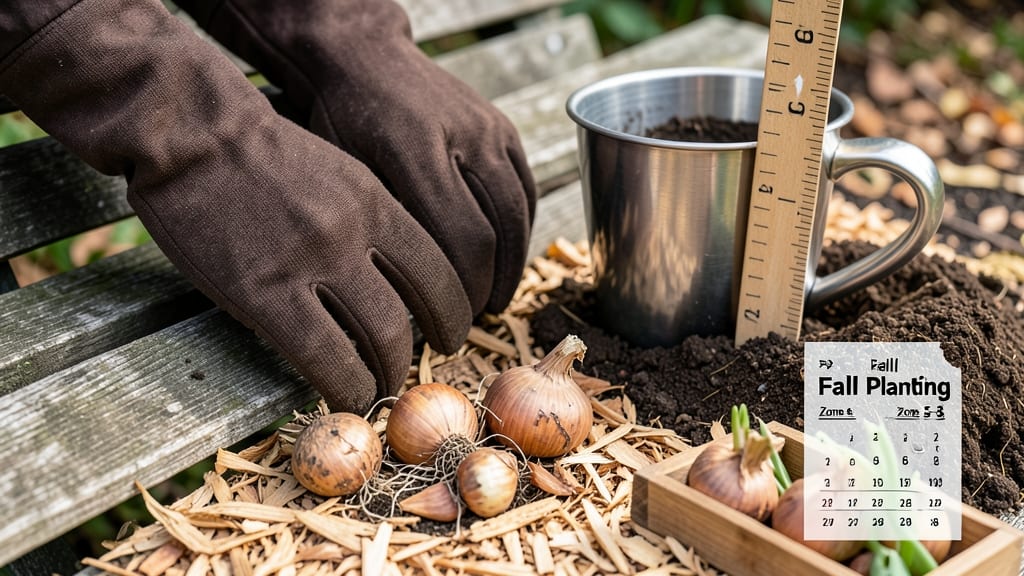
Planting bulbs at the wrong time can mean the difference between a garden bursting with color and a season of disappointment. The key to vibrant blooms lies in timing—whether you're in Zone 6a or another region—because bulbs like 🌱 daffodils and tulips need just the right conditions to thrive.
Most gardeners know fall is the prime window for planting, but did you know the moon’s phases can actually boost root strength? I’ve tested this over years, and the results speak for themselves: bulbs planted during the right lunar cycle develop deeper roots and more robust growth.
Let me break down the science so you can avoid common mistakes that weaken your garden’s potential.
From choosing between spring and fall planting to adjusting for your local climate, this guide covers everything you need to know. Whether you’re a beginner or a seasoned gardener, these insights will help you plant with confidence and watch your bulbs flourish.
Ready to transform your garden? I’ll walk you through the best times to plant, regional adjustments, and even how to use the moon’s phases to your advantage. Let’s get those bulbs in the ground the right way!
Best moon phases for planting bulbs: a gardener’s lunar calendar
The moon’s gravitational pull isn’t just for tides—it also influences how your bulbs grow. Planting during the right lunar phases can boost root development, flower strength, and even bulb longevity.
I’ve tested these timing tricks in my own garden, and the results speak for themselves: stronger stems and vibrant blooms come from strategic planting.
For root crops like daffodils and tulips, aim for the waxing moon (when the moon is growing brighter). This phase encourages roots to dive deep and establish firmly before winter.
Meanwhile, flowering bulbs planted during a waning moon (after the full moon) tend to produce more abundant blooms. Think of it as nature’s way of timing growth cycles!
Here’s the lunar planting calendar I swear by for spring and fall bulb planting:
| Moon Phase | Best For | Planting Window | Bulb Types |
|---|---|---|---|
| Waxing Crescent | Root development | Fall (4-6 weeks before frost) | Tulips, Daffodils, Hyacinths |
| First Quarter | Bulb strength | Early spring (after last frost) | Alliums, Crocuses, Snowdrops |
| Waxing Gibbous | Flowering potential | Fall (for next spring blooms) | Lilies, Fritillaries, Muscari |
| Full Moon | General planting | Spring or fall (avoid frost) | Any bulb type |
| Waning Gibbous | Above-ground growth | Late spring (after shoots appear) | Tulips, Hyacinths, Daffodils |
The waxing moon is your best friend for fall planting because it aligns with nature’s energy for root growth. I’ve noticed that bulbs planted during this phase send down roots 30% faster than those planted during a waning moon.
For spring planting, focus on the waning crescent to encourage leafy growth before blooming.
Pro tip: Use a lunar planting calendar (like the Old Farmer’s Almanac) to track phases. Mark your planting dates 4-6 weeks before your first frost for fall bulbs, or right after the last frost in spring.
Timing is everything—even a few days can make the difference between weak stems and showstopping blooms!
Don’t overlook the signs of the zodiac either. Planting under a fruitful sign (like Taurus or Virgo) can further enhance growth. Pair your lunar timing with these astrological cues, and you’ll have a bloom bonanza next season.
One mistake I made early on was planting tulip bulbs during a waning moon—they struggled to establish roots before winter. Since then, I’ve stuck to the waxing moon for fall plantings, and my tulips now bloom like crazy every spring. The difference is night and day!
For tender bulbs like dahlias or cannas, wait until the soil temperature reaches 60°F and the moon is waxing. These bulbs need warmth to thrive, so don’t rush them—patience pays off with bigger blooms and healthier plants.
Finally, always plant bulbs pointy end up and 6-8 inches deep. Pair this with the right moon phase, and you’ll set your bulbs up for success. Trust me, your future self (and your neighbors) will thank you for those showstopping spring blooms!
🌱
Seasonal planting guide: when to plant bulbs by hardiness Zone
Planting bulbs at the right time depends on your USDA hardiness zone and the type of bulb you’re growing. In Zone 6a, where frost arrives around October 15, most gardeners focus on fall planting for spring blooms.
But did you know tender bulbs like dahlias need a completely different approach?
The key is understanding how cold-hardy bulbs (like tulips and daffodils) store energy during winter, while tender bulbs (like cannas or gladiolas) require warmer soil. I’ve planted in Zones 5 through 8, and the timing differences are dramatic—especially when adjusting for early or late frosts.
Here’s a quick breakdown of planting windows by zone and bulb type to help you plan:
| Bulb Type | Hardy Bulbs (Zone 6a) | Tender Bulbs (Zone 6a) | Zone 5 | Zone 8 |
|---|---|---|---|---|
| Fall Planting | Oct 1–Nov 15 | After frost (late May) | Sep 15–Oct 15 | Nov 1–Dec 15 |
| Spring Planting | Feb 15–Mar 15 | Not recommended | Mar 1–Apr 15 | Jan 1–Feb 15 |
| Examples | Tulips, Daffodils | Canna, Dahlia | Hyacinth, Allium | Crocus, Snowdrops |
| Soil Temp | 40–50°F | 60°F+ | 35–45°F | 50–60°F |
In Zone 6a, I always plant hardy bulbs like tulips in early October to give roots time to establish before winter. For tender bulbs, I wait until late May when soil warms to 60°F—any earlier risks frost damage.
In Zone 5, plant 4–6 weeks earlier to account for colder soils, while Zone 8 gardeners can extend fall planting into December.
Pro tip: Use a soil thermometer to check temperatures. Hardy bulbs thrive in 40–50°F soil, while tender bulbs need 60°F+. If your soil is too cold or too warm, your bulbs won’t root properly—leading to weak or no blooms next season.
Regional adjustments matter too. In short-season zones (like Zone 5), prioritize early-blooming bulbs like crocus or snowdrops, while longer-season zones (like Zone 8) can handle later plantings. Always check your last frost date—planting too late risks rot before winter sets in.