
Plants
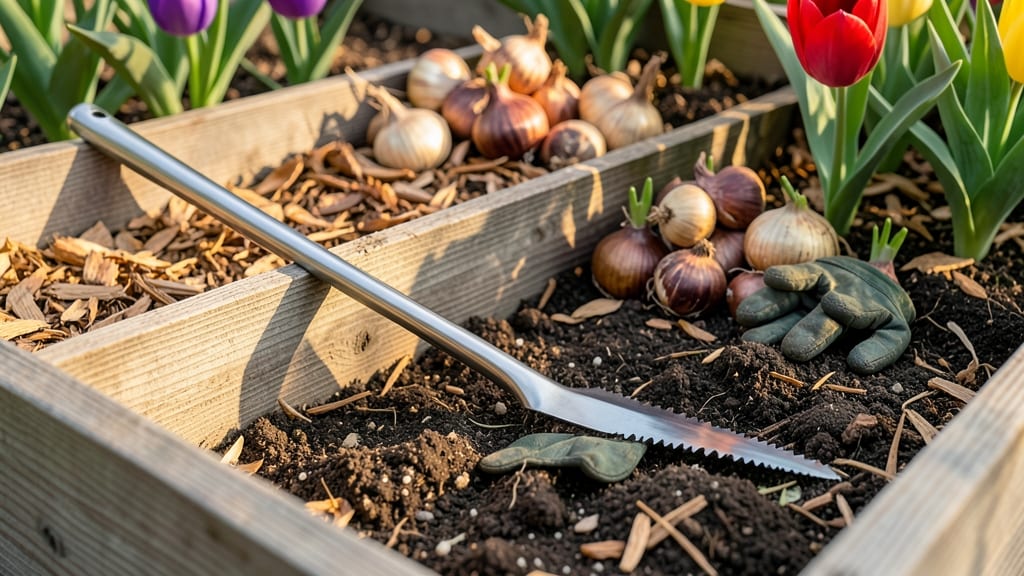
Planting tulip bulbs in Alabama at the wrong time can mean the difference between show-stopping spring blooms and wasted effort—especially in Heat Zone 7B, where summer heat and winter freezes create a tight window for success.
Most gardeners assume fall planting is one-size-fits-all, but Alabama’s October-November window demands precision. Plant too early, and your bulbs will rot in the heat; too late, and they’ll miss the critical frost-free period.
The key? Timing it 4-6 weeks before the ground freezes—typically mid-October to early November—to give roots time to establish before winter sets in.
I’ve learned the hard way that Alabama’s clay-heavy soil and unpredictable frosts require extra prep. Whether you’re a first-time gardener or a seasoned pro, this guide will walk you through the exact steps to plant your 🌷 tulips for maximum blooms next spring—no guesswork needed.
From soil prep to post-planting care, we’ll cover everything you need to know to beat Alabama’s climate challenges and grow tulips that stand out in your garden. Let’s get started!
Alabama’s frost-free window for tulip bulbs: exact planting dates by month
Alabama’s Heat Zone 7B creates a unique challenge for tulip growers—the sweet spot between summer’s lingering heat and winter’s early frosts. Unlike northern states, your bulbs must establish roots before November’s average first frost (around November 15) but avoid the 90°F+ soil temperatures of late September.
This narrow window demands precision, but with the right timing, you’ll enjoy vibrant spring blooms from April to May.
For Alabama gardeners, the ideal planting window spans mid-October to early December. This schedule accounts for your region’s 60-70 days of frost-free growing season after the last spring frost (March 15).
Planting too early (before October 15) risks bulb rot from residual summer heat, while waiting until after December 1 may leave bulbs vulnerable to winter desiccation.
| Month | Soil Temp Threshold | Planting Deadline | Action Items |
|---|---|---|---|
| September | >75°F (Risky) | Early Sept (Dwarf varieties only) | ✅ Test soil moisture; mulch heavily |
| October | 50-65°F (Ideal) | Mid-October (Best window) | ✅ Plant bulbs 6-8" deep; fertilize lightly |
| November | 40-50°F (Safe) | Early Nov (Last chance) | ✅ Add 2-3" mulch; protect from gophers |
| December | <40°F (Risk of desiccation) | Early Dec (Emergency only) | ⚠️ Use frost cloth; plant deeper (8-10") |
Alabama’s clay-heavy soils and unpredictable frost patterns mean you’ll need to adjust based on your specific microclimate. For example, northern Alabama (Zone 7a) can plant slightly earlier (late September for dwarf varieties), while southern Alabama (Zone 8a) should wait until mid-October to avoid summer heat stress.
Always check your local Alabama Cooperative Extension Service frost dates for the most accurate timing.
Pro tip: Use a soil thermometer to confirm temperatures are consistently below 65°F before planting. In Alabama’s humid climate, bulbs planted in warm soil (>70°F) will rot within 10-14 days. For extra protection, plant in raised beds or amend native soil with compost and perlite to improve drainage.
If you miss the ideal window, don’t despair—December planting is still possible with precautions. Use frost blankets or plant bulbs 8-10 inches deep to insulate them. Just be prepared for smaller blooms the following spring, as bulbs won’t have as much time to establish roots.
Once planted, mark your tulip locations with biodegradable flags to avoid disturbing them in spring. Alabama’s mild winters can cause bulbs to sprout early, making them vulnerable to late frosts.
A little planning now ensures your tulips will reward you with bold colors from April through May, long after northern gardeners have finished their spring planting.
Remember: The key to Alabama tulip success is planting early enough for root growth but not so early that heat kills the bulbs. With these Heat Zone 7B-specific dates, you’ll be well on your way to a show-stopping spring display.
🌷 For even better results, pair your tulips with Alabama-friendly perennials like daylilies or black-eyed Susans, which thrive in the same conditions and extend your garden’s seasonal interest.
How to prepare Alabama soil for tulip bulbs: drainage, pH, and heat tolerance tips
Alabama’s clay-heavy soil can be a nightmare for tulip bulbs if not properly amended. Unlike northern climates, our Heat Zone 7B summers mean bulbs face extra stress from heat and poor drainage.
Without the right prep, your tulips may rot before they even sprout. The key is creating a well-draining, slightly acidic environment that mimics their natural habitat in Central Asia.
Start by testing your soil’s pH level—tulips thrive in a range of 6.0 to 7.0. Alabama’s native soil often skews alkaline, which can stunt bulb growth.
If your test shows pH above 7.0, mix in sulfur or peat moss (2-3 inches worked into the top 12 inches of soil) 4-6 weeks before planting. For drainage improvements, add compost or coarse sand to break up clay particles.
🚨 CRITICAL STEP: Never plant tulips in low-lying areas where water pools after rain. Alabama’s unpredictable downpours can drown bulbs in just 24 hours. Instead, choose a slightly elevated spot or create a raised bed with a minimum 6-inch depth of amended soil.
This ensures excess water drains away quickly.
⚠️ Alabama-Specific Warning: Heat Stress Kills Tulips
Mistake: Planting bulbs in unamended clay soil without mulch.
Risk: Bulbs overheat in summer, leading to premature sprouting or rot. Alabama’s 90°F+ summers can cook bulbs in as little as 3 weeks if not protected.
Fix: Apply 4-6 inches of mulch (straw or pine needles) after planting. Replenish annually to maintain 60-65°F soil temps during dormancy.
For extra protection against Alabama’s heat, consider planting tulip bulbs in containers filled with a mix of 50% potting soil, 30% perlite, and 20% compost. This gives you control over drainage and temperature.
If planting directly in the ground, work in bone meal fertilizer (1 tbsp per bulb) at planting time to boost root strength—critical for surviving our variable winters.
One common mistake I see in Alabama gardens is overwatering after planting. Tulips need consistent moisture but will rot in soggy soil. Water deeply once a week after planting, then reduce to every 10-14 days once shoots appear.
Use a soaker hose to deliver water directly to the roots without wetting the foliage—this prevents fungal diseases like tulip fire, which thrives in Alabama’s humid summers.
Finally, mark your tulip bed location with stakes or flags, as Alabama’s unpredictable frosts can make it hard to remember where you planted. This helps you avoid disturbing the bulbs in spring when they’re actively growing.
With these prep steps, your tulips will have the perfect foundation to bloom beautifully next spring—despite Alabama’s challenges! 🌷