
Plants
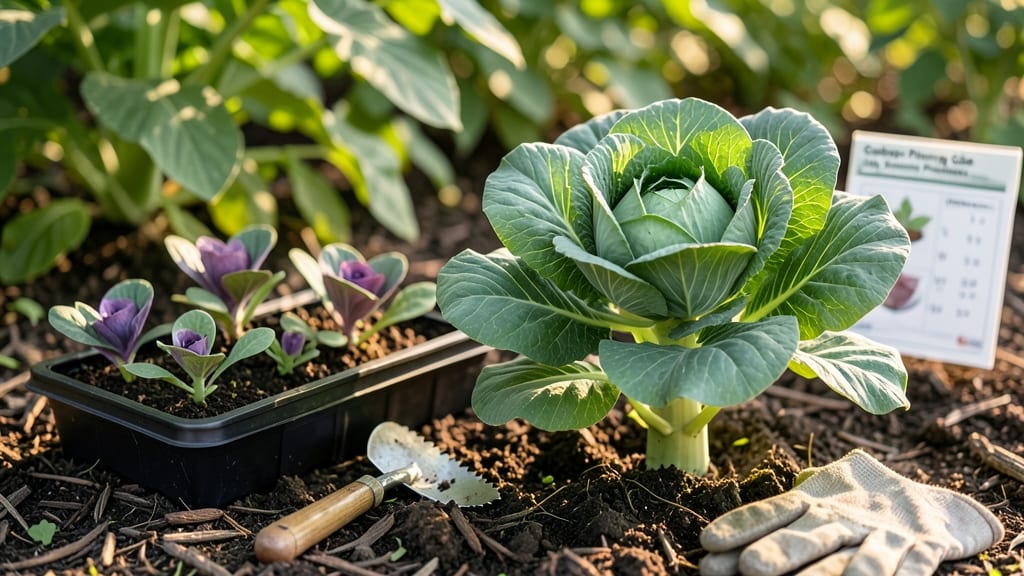
Timing your 🥬 cabbage planting in Colorado isn’t just about following a calendar—it’s about outsmarting the high-altitude chill and short growing season. Skip the guesswork, and you’ll avoid bitter-tasting heads or plants that bolt before harvest.
Whether you’re in Denver’s Front Range or the high Rockies, the right window makes all the difference for cold-hardy varieties like ‘January King’.
Most Colorado gardeners plant cabbage twice a year: once in early spring (March–April) for a summer harvest, and again in late summer (July–August) for a fall crop.
But here’s the catch—your exact deadline depends on your last frost date, which can swing by three weeks between lowland Denver and mountain towns. Miss it, and you’ll end up with stunted plants or none at all.
I’ve grown cabbage in Colorado for years, and the key is succession planting every 2–3 weeks after your first batch goes in. That way, you stretch your harvest from May through October, even with our unpredictable weather.
Plus, I’ll show you how to tweak your schedule for organic vs. conventional growing—because soil prep matters just as much as timing.
Ready to grow cabbage that’s crisp, sweet, and ready at the perfect moment? Let’s break down the exact planting windows for your region, plus pro tips to protect your plants from Colorado’s notorious late frosts. No more wasted seeds or disappointing harvests—just reliable, flavorful heads all season long.
Best planting windows for cabbage in Colorado’s climate zones
Colorado’s diverse USDA zones 3-7 create unique challenges for growing cabbage. High elevations like Denver (Zone 5) and Fort Collins (Zone 4) have shorter growing seasons, while Colorado Springs (Zone 5) and Grand Junction (Zone 6) offer slightly longer windows.
Timing your plantings correctly ensures healthy heads and avoids bolting from heat stress.
For spring plantings, start seeds indoors 4-6 weeks before your last frost date. In most of Colorado, this means mid-March to early April for Denver and Boulder, while high-altitude areas like Leadville (Zone 4) should wait until late March or April.
Transplant seedlings outdoors 2-3 weeks after the last frost, typically mid-April to early May.
Summer plantings are critical for a fall harvest. Sow seeds directly outdoors in July for a late September to October harvest. Choose fast-maturing varieties like ‘Golden Acre’ (58 days) to beat the first frost, which can arrive as early as mid-September in mountain regions.
Here’s how to align your planting with Colorado’s microclimates:
Colorado’s high-altitude regions like Leadville or Steamboat Springs have shorter growing seasons, so focus on cold-hardy varieties like ‘January King’ or ‘Wisconsin Winter’. These can tolerate light frosts and even brief sub-zero temps if protected with row covers.
For Front Range cities like Denver or Fort Collins, aim for two plantings per year: one in early spring and another in mid-summer. This succession planting strategy maximizes your harvest and ensures you don’t miss out on fresh cabbage during Colorado’s short growing windows.
If you’re in Zone 6 or 7, like Grand Junction or Pueblo, you can push your fall harvest later into October or November by using black plastic mulch to extend soil warmth. This works especially well for late-maturing varieties like ‘Red Express’.
Always check your local frost dates using resources like the Colorado State University Extension or Almanac’s Frost Calculator. These tools provide hyper-localized advice tailored to your elevation and latitude, ensuring your cabbage thrives in Colorado’s unique climate.
Pro tip: Mark your planting calendar with colored flags for each variety’s
Best planting windows for cabbage in Colorado’s climate zones
Colorado’s USDA zones 3–7 create wildly different planting deadlines for cabbage. In Denver (Zone 5), your last frost typically hits around April 15–May 1, while mountain towns like Fort Collins (Zone 4) can see frost until May 15.
High-altitude areas like Telluride (Zone 6) often have 3–4 weeks earlier frost dates than the Front Range.
For spring cabbage, aim to plant 4–6 weeks before your last frost date.
That means March 1–April 15 in Denver, but April 1–May 1 in higher elevations. Late summer plantings (for fall harvest) should go in July 15–August 15, giving heads time to mature before the first frost in September–October.
I’ve found that ‘January King’ and ‘Wisconsin Winter’ handle Colorado’s chill best—they tolerate 25°F without damage. These varieties are perfect for early spring plantings, while ‘Golden Acre’ and ‘Red Express’ work better for late summer successions.
| Region | Last Frost | Spring Planting | Fall Planting |
|---|---|---|---|
| Denver (Zone 5) | April 15–May 1 | March 1–April 15 | July 15–August 15 |
| Fort Collins (Zone 4) | May 1–May 15 | April 1–May 1 | July 1–July 31 |
| Telluride (Zone 6) | April 1–April 15 | February 15–March 31 | July 1–August 1 |
| Colorado Springs (Zone 5) | April 10–April 25 | February 28–April 10 | July 10–August 10 |
Pro tip: Use succession planting every 2–3 weeks after your first batch. This stretches your harvest and ensures you’re not overwhelmed with ripe heads at once.
For example, if your last frost is April 15, plant your first batch on March 1, then follow up on March 15, March 30, and April 15.
Organic growers should add compost or aged manure 2–3 weeks before planting to boost soil fertility. Conventional gardeners can use a balanced 10-10-10 fertilizer at planting and again when plants are 6 inches tall.
Both methods work, but organic prep takes longer to break down in Colorado’s cool, rocky soil.
Miss your planting window? Don’t panic. You can still try transplants from nurseries in early May, though they may not mature fully before frost. For a guaranteed harvest, stick to the timeline—and consider row covers to protect young plants from unexpected late frosts.